
All about the pets!
-

Feline Cognition: Are Cats as Smart as Dogs?
When it comes to the age-old debate of cat versus dog, intelligence is often a key battleground. Pet owners, scientists, and animal lovers have long speculated about the cognitive abilities of these two beloved animal species. Are cats as smart as dogs? The answer is not as straightforward as one might hope.
-

How to Treat Your Dog’s Upset Stomach: Causes, Symptoms, and Vet Advice
When your pet isn’t feeling well, it can be stressful not knowing the cause or how to help. Vomiting or nausea can bring everyone down quickly. Fortunately, an online veterinarian can help determine what’s wrong and guide you in getting your furry friend back to normal. There are many possible reasons why a dog may have an upset stomach or vomit. Below are five of the most common causes. 1. Infections from Viruses, Bacteria, or Parasites Dogs can get stomach bugs just like people. These infections are often picked up at dog parks, daycare centers, boarding facilities, or even on…
-

How to Tell If Pet Limping Is an Emergency or Just a Sprain
It’s always unsettling when you notice your pet limping. A limp can appear suddenly after playtime, gradually over weeks, or only when your pet first gets up in the morning. The big question every pet parent faces is: does this limp require emergency vet care, or is it a minor sprain that can heal with rest?
-
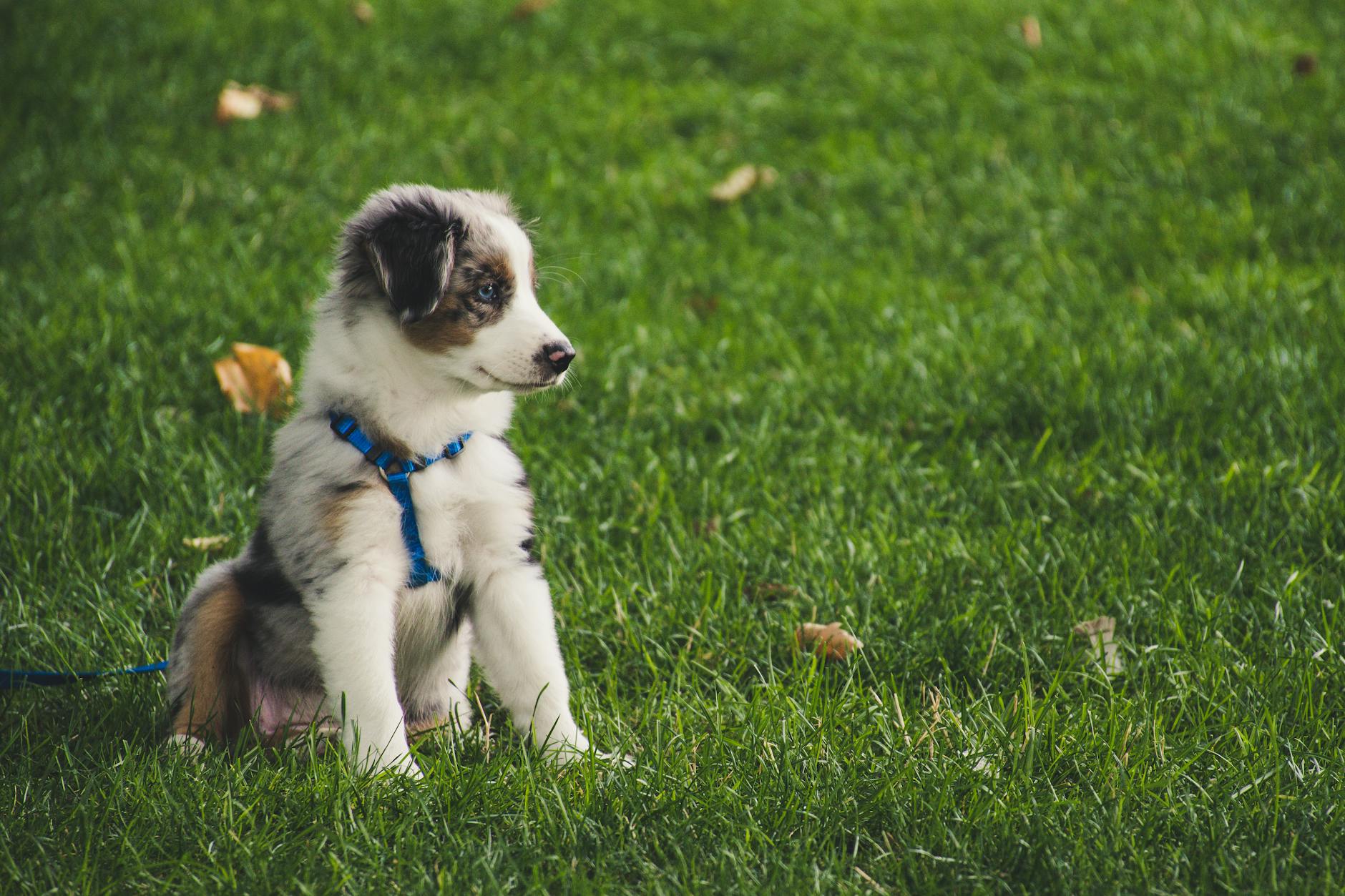
Pet Household Success: Creating a Multi-Pet Home
Bringing more than one annimal into your home can be incredibly rewarding but it’s also a serious responsibility. A multi-pet household that runs smoothly doesn’t happen by accident. It requires thoughtful planning, a commitment to consistent care, and an understanding of each pet’s individual needs and personalities. Whether you’re introducing a new cat to your dog, adding a second dog, or managing a mix of different species, creating harmony takes time, effort, and patience. This guide covers the essential steps to building a peaceful, happy, and functional multi-pet home that actually works. Why Careful Planning Is Key to Multi-Pet Success…
-

When Your Pet Is Acting ‘Off’: Minor Quirks or Medical Concern?
Every pet parent knows their furry companion has a unique personality. From quirky habits to occasional mood swings, pets, just like people, can have “off” days. But how do you know when those changes are simply harmless quirks, or when they may signal a potential medical concern or medical condition that requires attention? Recognizing the difference is essential for protecting your pet’s long-term health and happiness.
-

Why Dogs Bark: Understanding the Meaning Behind Every Woof
Dogs bark for countless reasons, and every dog owner has heard a variety of these distinctive sounds—ranging from the sharp alert bark to the excitable yaps of play. But what do all these barks really mean? To the trained ear, a dog’s bark isn’t just noise—it’s a rich and nuanced form of canine communication.
-

Do Pets Get Jealous? Signs and Solutions for Jealous Dog and Cat Behavior
Do pets get jealous? If your dog squeezes between you and a loved one or your cat knocks something off the table when you ignore them, you’ve probably witnessed jealous pet behavior. While jealousy in pets isn’t identical to human emotion, their behavioral responses show clear signs of emotional distress. Understanding pet jealousy is essential for pet parents who want to maintain a happy and balanced home. What is pet jealousy? Pet jealousy refers to emotional or behavioral reactions that happen when a dog or cat feels excluded or threatened by divided attention. Pets rely on strong bonds with their…
-
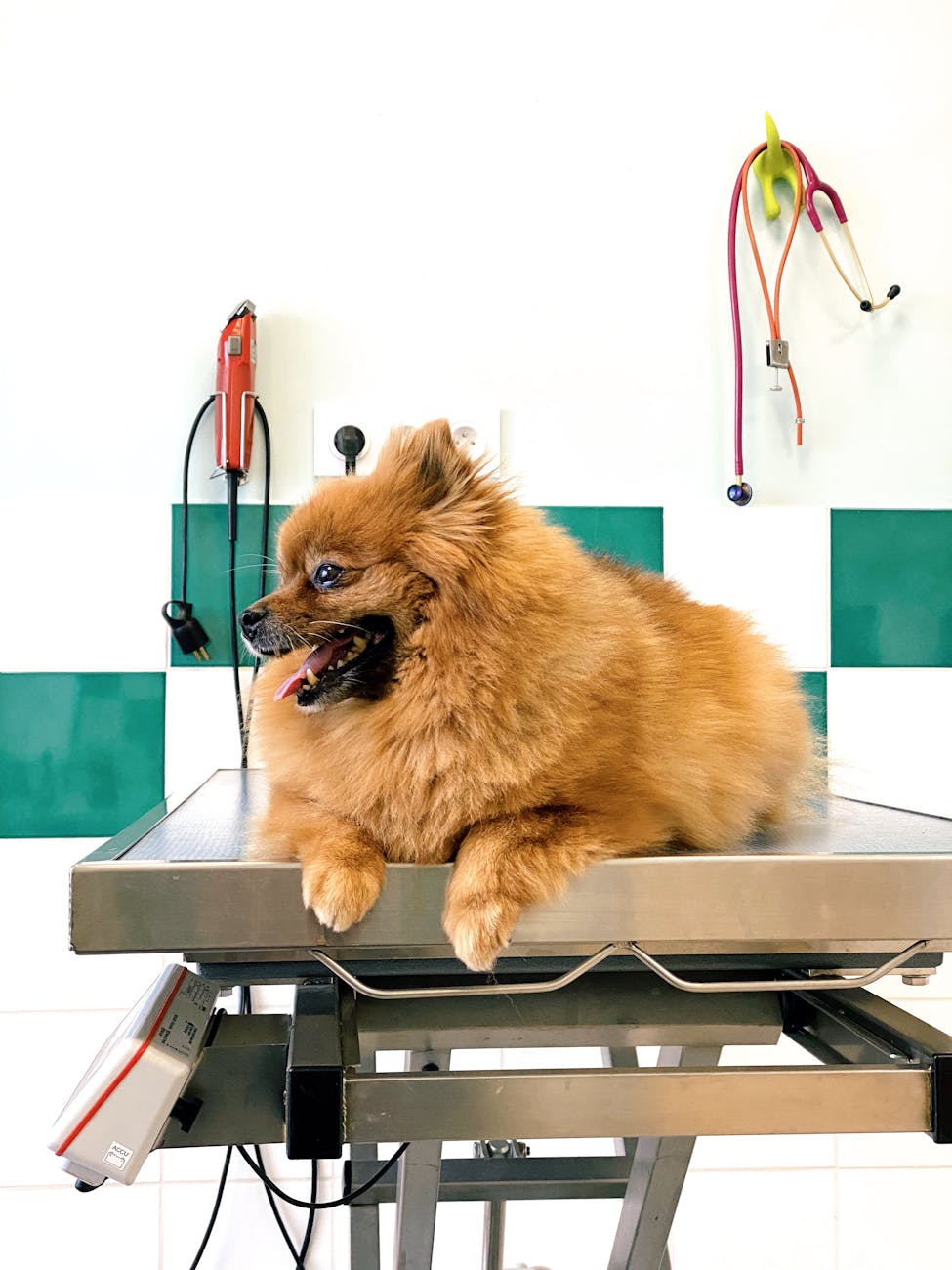
Pets Looking Sharp: The Path To Grooming Greatness
When it comes to keeping pets happy and healthy, grooming is one of the most important habits a pet owner can embrace. Beyond the surface-level benefits of a clean coat and trimmed nails, regular grooming supports a pet’s overall well-being, reduces stress, and strengthens the bond between pet and owner. From professional sessions to at-home routines, this guide covers everything you need to help your pet look and feel their best. Why Grooming Matters for Pets Grooming is essential not just for a pet’s appearance but also for their physical health and emotional comfort. Dogs and cats both benefit from…
-

Allergies in Pets: Common Triggers and How to Help
Just like people, dogs and cats can suffer from a wide range of allergies. These reactions may stem from food, fleas,…
-

How Do Cat Whiskers Work? A Simple Guide to Your Cat’s Secret Superpower
If you’ve ever looked closely at your cat, you’ve probably noticed those long, stiff hairs sticking out from their face. These are whiskers, and no, they’re not just for show. Cat whiskers are special tools that help your cat move around, understand the world, and even hunt. Let’s take a closer look at how these mysterious little hairs really work. What Are Whiskers, Really? Whiskers, also called vibrissae, are thicker and more deeply rooted than normal hairs. They grow from special hair follicles packed with nerves. While cats have these special hairs on their upper lips, they also have them…
-
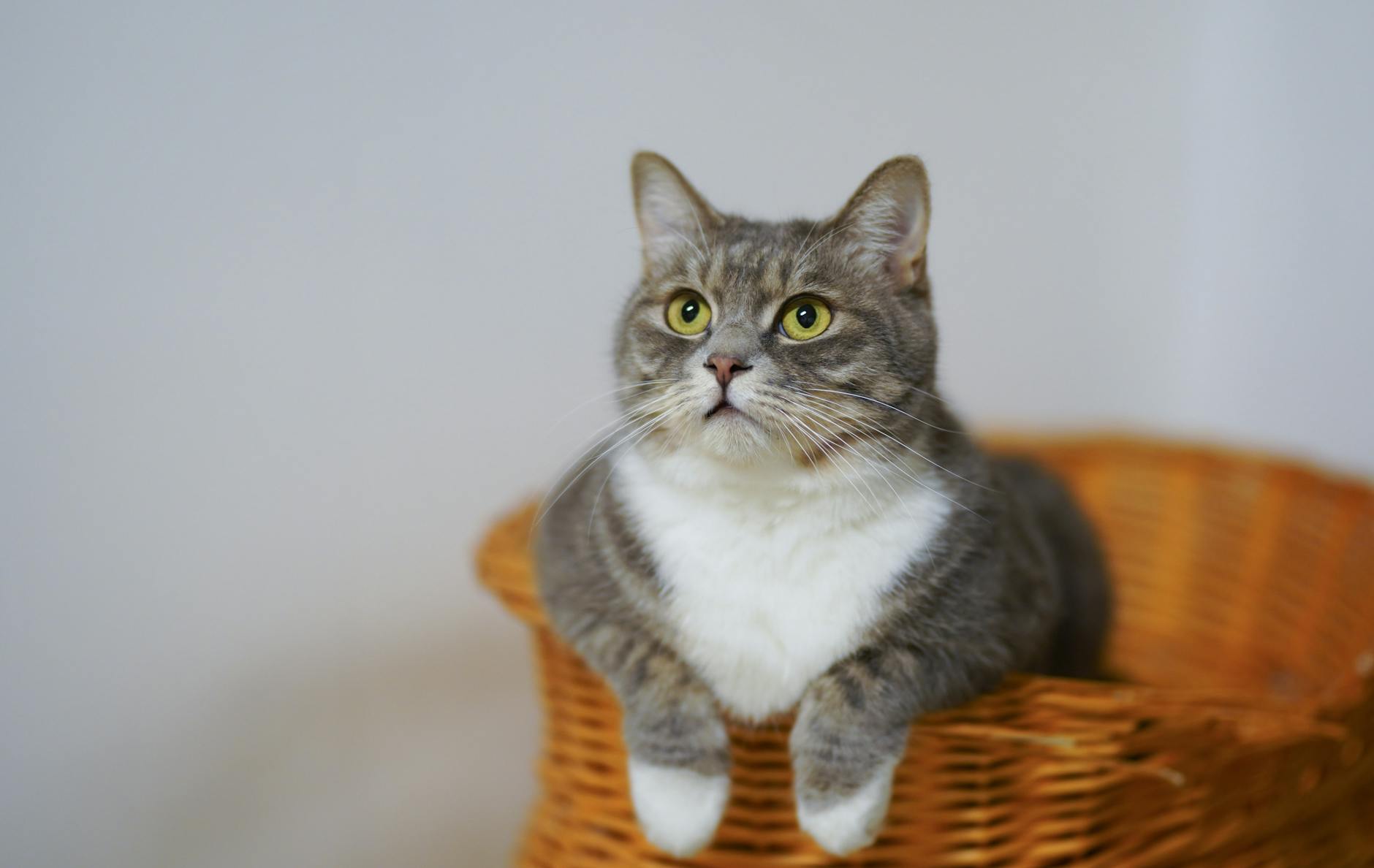
The Purr: The Most Surprising Scientific Theories on Cats’ Purrs
The sound of a cat’s purr is one of the most calming and mysterious phenomena in the animal kingdom. But have you ever stopped to ask why cats purr? While many people associate a cat’s purr with contentment, science suggests the answer is far more complex. From vocal chords to bone growth, and from neural oscillators to vocal communication, researchers have uncovered a range of surprising theories that explain this behavior.
-

What The Sleeping Position of Your Dog Says About Their Health
As a pet owner, you’ve probably spent countless moments watching your dog sleep, amused or charmed by the many positions they contort themselves into. Whether curled in a tight ball, belly up with feet in the air, or snuggled into your side, dog sleeping positions are more than just cute quirks, they’re a potential window into your dog’s health and emotional well-being. Dogs, like people, have personal sleep preferences and needs. These sleep habits are shaped by factors like breed, environment, health conditions, and energy level. As you observe your pup’s naps, you’re not just learning about their comfort, because…
-

How Often Should You Bathe Your Pet?
Bathing your pet might seem like a straightforward task, but deciding how often to do it isn’t always so simple…
-

How to Build a Safe and Loving Bond Between Pets and Children
Introducing a pet into a home with children can be a joyful and enriching experience for the whole family. Pets offer companionship, teach responsibility, and even support the development of social skills and empathy. But to ensure a successful and safe relationship, it’s crucial to approach pet ownership thoughtfully.
-

How to Help a Shy Dog Socialize Without Stressing Them Out
A gentle, step-by-step approach to build your shy dog’s confidence and help them enjoy life more. Does your dog hide under the bed when guests come over? Or maybe they stop in their tracks when another dog passes by? If that sounds familiar, you’re not alone. Many dogs are naturally shy and avoid social interactions, especially if they had a lack of socialization early in life. But don’t worry: With some patience and the right steps, even the most timid pup can become more confident and comfortable, and possibly even blossom into a social butterfly. This guide gives you simple,…
-

What science says about animal sleep cycles
Sleep is a universal phenomenon, but its mechanisms and patterns vary widely across species. From the deep, slow-wave sleep of mammals to the barely-there rest cycles of marine life, the animal kingdom reveals astonishing adaptations in how creatures rest. Scientists have long been fascinated by the brain activities, physiological changes, and behavioral states that define sleep across species.
-
Why Your Cat Bites When You Pet Them and How to Stop It
Understanding feline bites and overstimulation and responding in the right way. You’re sitting on the couch, gently petting your cat. They’re purring, looking relaxed, maybe even melting into your lap. Then, out of nowhere, they nip your hand and dart away. What gives? If this has ever happened to you, you’re not alone. Many cat owners have been on the receiving end of these unexpected cat love bites. And while it might feel personal, it’s usually not. Your cat isn’t trying to be mean; they’re just overwhelmed. Let’s break down why cats bite during petting and what you can do…
-

The Science Behind Medical Detection Dogs
Dogs have an extraordinary sense of smell. With over 300 million olfactory receptors — compared to a human’s mere 5 million — their noses are powerful tools not just for sniffing out food or tracking people, but potentially saving lives. In recent years, the ability of dogs to detect human diseases, including various types of cancer, bacterial infections, and even respiratory infections, has drawn serious scientific interest.