
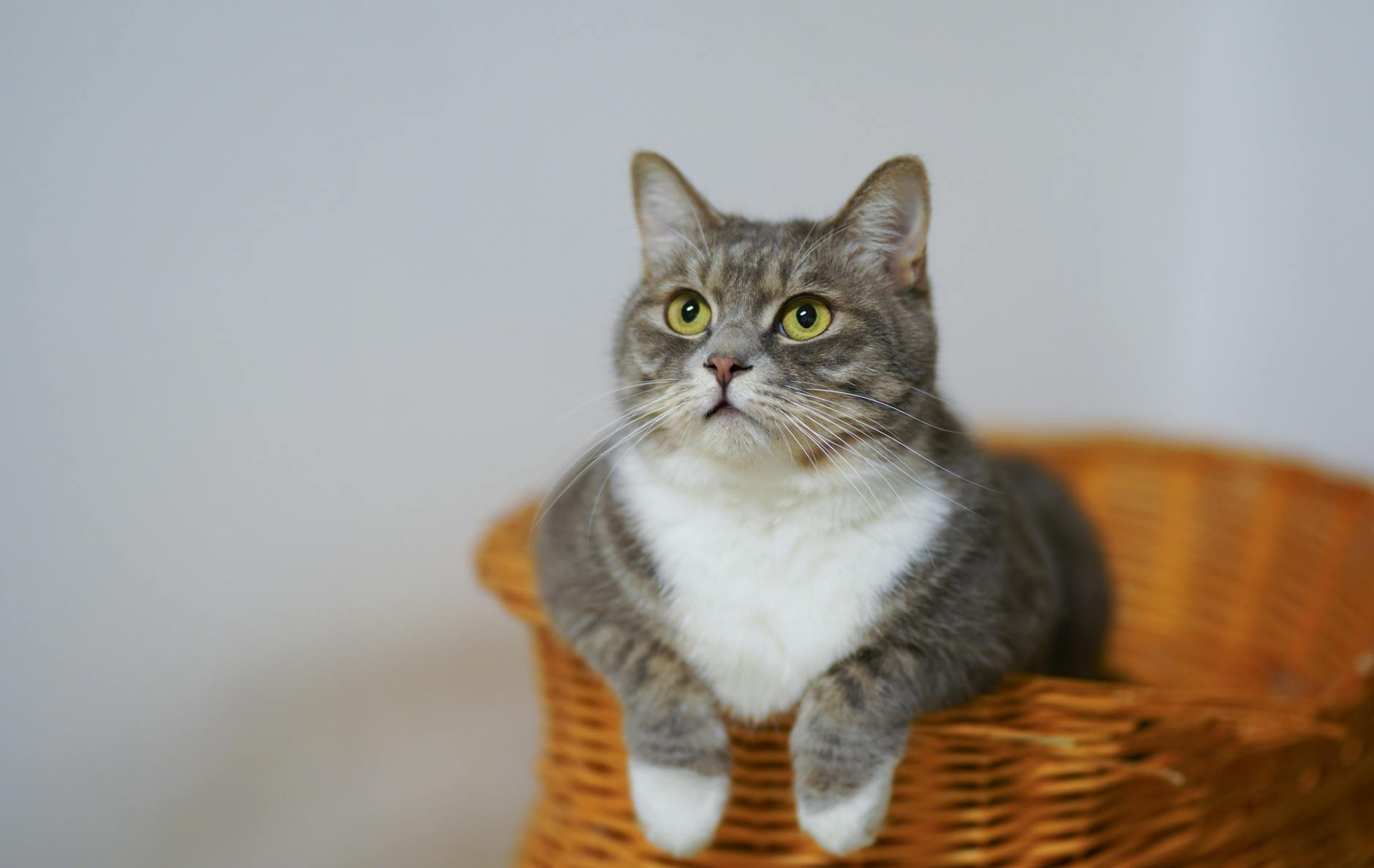
The sound of a cat’s purr is one of the most calming and mysterious phenomena in the animal kingdom. But have you ever stopped to ask why cats purr? While many people associate a cat’s purr with contentment, science suggests the answer is far more complex. From vocal chords to bone growth, and from neural oscillators to vocal communication, researchers have uncovered a range of surprising theories that explain this behavior.
In this blog, we’ll explore the most compelling scientific theories behind cat purring, how it differs in domestic cats and big cats, and what it tells us about feline body language, emotional health, and even human well-being. Whether you’re a curious pet parent or an animal science enthusiast, this deep dive into the world of purring may change the way you think about your furry companion.
What Exactly Is a Cat’s Purr?
A cat’s purr is a low-frequency sound produced through a combination of mechanisms in the cat’s voice box (larynx) and surrounding muscles. Specifically, purring is initiated when signals from a cat’s brain cause rapid twitching in the laryngeal muscles. These muscles, located around the vocal cords, open and close the glottis (the space between the vocal cords) around 25 to 150 times per second.
This rapid movement causes air vibrations during both inhalation and exhalation, creating the signature purring sound. Scientists believe that a neural oscillator located in the cat’s brain acts like a pacemaker, regulating this rhythmic contraction of the laryngeal muscles. Interestingly, this process does not interrupt normal breathing, which allows cats to purr continuously.
The Evolution of Purring in Domestic and Big Cats
Purring is most commonly associated with domestic cats (Felis catus), but it’s not exclusive to them. Some big cats, such as cheetahs, bobcats, and cougars, also purr. However, the great roaring cats, such as lions and tigers, generally do not purr the same way. This difference is believed to be due to structural differences in the hyoid bone of the voice box.
In roaring cats, the hyoid bone is more flexible, enabling the production of roars but preventing sustained purring. In domestic cats and some smaller wild cats, the hyoid is more rigid, supporting continuous purring. This structural evolution suggests that purring may have developed to serve different survival or communicative functions depending on the species.
Communication and Body Language
One of the primary theories behind cat purring is its role in vocal communication. In domestic cats, purring is often used to signal contentment, especially when they’re relaxed, being petted, or near their favorite humans. It’s part of a broader system of body language and vocal cues that cats use to communicate.
Cats may also purr if they’re when frightened, injured, or in pain. This has led researchers to believe that purring might be a self-soothing mechanism or a way to signal non-aggression. For instance, a cat may purr during a veterinary exam to signal peaceful intent.
Healing Power: Bone Growth and Bone Density
One of the most surprising scientific theories suggests that cat purring may promote physical healing. Studies have shown that the frequency of a cat’s purr, typically between 25 and 150 Hz, corresponds with frequencies known to promote bone growth and improve bone density. This could help explain why cats recover from injuries more quickly than some other animals.
This frequency range has also been shown to reduce pain and inflammation, heal tendons and muscles, and increase joint mobility. In fact, NASA has studied similar vibration frequencies to help astronauts maintain bone density in space. Cats may have evolved purring as a built-in, therapeutic mechanism that supports physical health.
Stress Relief and Blood Pressure
Another compelling theory is the emotional benefit of purring, for both cats and humans. Purring may help regulate a cat’s emotions, acting as a natural stress reliever. Cats often purr when they’re anxious or recovering from illness, suggesting the sound has a calming physiological effect.
This calming effect also extends to humans. Petting a purring cat has been shown to reduce blood pressure, lower stress hormones like cortisol, and release endorphins. The presence of a purring cat can be incredibly therapeutic, which is why cats are often used in emotional support and therapy animal programs.
Solicitation Purring: The Purr That Manipulates
Not all purrs are created equal. A particularly fascinating variation is what scientists call the “solicitation purr.” This purr is used by cats to get attention, often to solicit food. It combines a typical purr with a higher-frequency cry that mimics the sound of a human baby’s cry.
This unique blend triggers a nurturing response in humans, making it hard to ignore. Studies have shown that people find solicitation purrs more urgent and less pleasant than regular purring, highlighting the cat’s sophisticated use of vocal communication for manipulation.
Purring in Kittens and Mother-Cat Bonding
Purring starts early in a cat’s life. Kittens begin to purr within a few days of birth, often while nursing. This purring helps the mother cat locate her kittens and is believed to strengthen the maternal bond. It also reassures the kittens, fostering a sense of security and well-being.
In this context, purring acts as a vital communication tool that facilitates survival. It’s a form of bonding that continues into adulthood, where cats use purring to connect with their human families and other pets.
The Neurobiology Behind the Purr
Behind every purr is a complex interplay of neurology and anatomy. A neural oscillator in the brain sends rhythmic signals to the laryngeal muscles via the vagus nerve. The coordination between the brain, vocal chords, and larynx ensures the continuous, motor-controlled vibrations of purring.
Despite extensive research, some aspects of this process remain a mystery. The neural oscillator theory remains the most widely accepted, but further studies are needed to fully understand how the brain regulates such a unique and rhythmic sound.
Final Thoughts
The science of why cats purr is still evolving, but what we do know is already remarkable. From strengthening bones to reducing blood pressure, cat purring is much more than a cute or comforting sound. It is a multi-purpose tool that serves both physical and emotional functions for both the cat and its human companions.
Whether it’s used for vocal communication, healing, or emotional bonding, the purr remains one of nature’s most enchanting mysteries. So the next time your feline friend curls up beside you and starts to purr, remember: there’s a lot more going on than meets the ear. For more on cat body language, read here.
https://www.loc.gov/everyday-mysteries/zoology/item/why-and-how-do-cats-purr