

Heartworm disease is one of the most dangerous parasitic conditions a pet can face, and it’s far more common than most owners realize. Caused by a parasitic worm called Dirofilaria immitis, heartworm infection leads to severe damage to the heart, lungs, and blood vessels. Left untreated, it’s often fatal.
The frustrating part is that heartworm disease is almost entirely preventable. A simple monthly heartworm preventive is all it takes to keep your dog or cat safe. Yet every year, thousands of pets are diagnosed because prevention lapsed or was never started. This guide breaks down how heartworm spreads, what it does to dogs and cats differently, and why staying on top of prevention is one of the most important things you can do as a pet owner.
How Heartworm Spreads
Heartworm is a vector-borne disease, meaning it requires a middleman to move from one animal to another. That middleman is the mosquito.
Here’s how the cycle works. When a mosquito bites an infected animal, it picks up microscopic heartworm larvae circulating in the bloodstream. Those larvae develop inside the mosquito over the next 10 to 14 days. The next time that mosquito feeds on a dog or cat, it deposits the larvae into the new host through the bite wound.
From Bite to Full Infection
Once inside the pet, heartworm larvae migrate through tissue and into the bloodstream over several months, eventually reaching the heart and pulmonary arteries. In dogs, the worms mature into adults that can grow up to 12 inches long. They reproduce, release new larvae into the bloodstream, and the cycle is ready to repeat the next time a mosquito bites.
The entire process from initial mosquito bite to detectable adult heartworm infection takes about six to seven months in dogs. This long incubation period is important because it means a pet can be infected for months before any test or symptom reveals the problem.
Heartworm Disease in Dogs
Dogs are the natural host for Dirofilaria immitis. The worms thrive in the canine body, maturing fully, reproducing, and living for five to seven years if untreated. A single dog can harbor dozens, or in severe cases hundreds, of adult worms.
What It Does to the Body
Adult heartworms lodge in the heart, pulmonary arteries, and surrounding blood vessels. Their physical presence causes inflammation, scarring, and progressive damage to the vessel walls. Over time, the heart has to work harder and harder to pump blood through increasingly damaged and narrowed arteries. This leads to pulmonary hypertension (elevated blood pressure in the lungs) and, eventually, congestive heart failure.
Recognizing the Signs
In the early stages, many dogs show no symptoms at all. As the disease progresses, common signs include a persistent soft cough, reluctance to exercise, fatigue after moderate activity, decreased appetite, and weight loss. Dogs with advanced heartworm disease may develop a swollen belly due to fluid buildup, and they may struggle to breathe even at rest.
Caval Syndrome
In the most severe cases, a massive worm burden can lead to caval syndrome, a life-threatening condition where worms physically block blood flow through the heart. Caval syndrome comes on suddenly and is marked by labored breathing, pale gums, and dark or bloody urine. Emergency surgical removal of the worms is the only treatment, and even with intervention, many dogs do not survive.
Heartworm Disease in Cats
Cats are atypical hosts for heartworm, meaning the parasite doesn’t thrive in them the way it does in dogs. Most heartworm larvae don’t survive to adulthood in cats, and those that do typically number only one to three worms. But that doesn’t make feline heartworm disease any less dangerous.
A Different Kind of Damage
In cats, much of the harm happens before the worms even reach maturity. As immature worms arrive in the pulmonary arteries, they trigger a severe inflammatory response in the lungs known as heartworm-associated respiratory disease, or HARD. Symptoms include coughing, wheezing, difficulty breathing, and vomiting. These signs closely mimic feline bronchitis or asthma, which makes HARD frequently misdiagnosed or overlooked entirely.
Why Cats Are Harder to Diagnose
Testing for feline heartworm disease is more complicated than in dogs. The standard antigen test used in dogs detects heartworm proteins produced by adult female worms. Because cats typically have very few worms (and sometimes only males), the antigen test often comes back negative even when infection is present. Vets may combine antigen testing with an antibody test, which detects the cat’s immune response to heartworm exposure, along with chest X-rays and other imaging to build a fuller picture.
No Approved Treatment
Here’s the most sobering difference. The drug used to kill adult heartworms in dogs (melarsomine dihydrochloride) is not safe for cats. There is no approved adulticide treatment for feline heartworm disease. Veterinary care for infected cats focuses on managing symptoms with anti-inflammatory medications and supportive care while waiting for the worms to die on their own, which can take two to three years. During that time, even the death of a single worm can trigger a fatal blood clot or severe allergic reaction.
This is why prevention in cats is not optional. It’s the only reliable protection they have.
Testing: Catching It Early
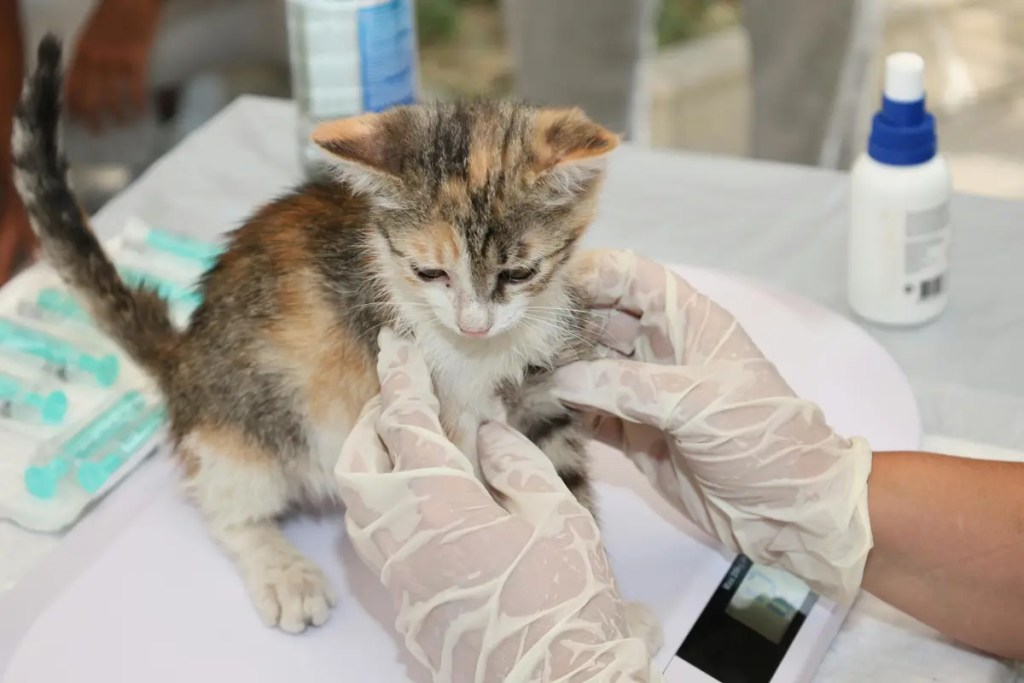
The American Heartworm Society recommends annual heartworm testing for dogs, even those on year-round prevention. Testing matters because no preventive is 100% effective if a dose is late, missed, spit out, or vomited up. Early detection gives your vet the best chance of treating the infection before serious damage is done.
How Testing Works
The most common heartworm test for dogs is an antigen test, which detects specific heartworm proteins in the blood. It requires just a small blood sample and typically delivers results within minutes at your vet’s office. For more complex cases, additional serological tests or imaging like chest X-rays and ultrasound may be needed to assess worm burden and organ damage.
For cats, as mentioned above, diagnosis usually requires a combination of antigen and antibody tests along with imaging, since no single test is reliable on its own.
Treatment for Dogs
Treating heartworm disease in dogs is possible, but it’s expensive, lengthy, and hard on the dog. The standard protocol recommended by the American Heartworm Society involves multiple steps carried out over several months.
The Treatment Process
Treatment typically begins with a course of antibiotics targeting Wolbachia, a bacterium that lives inside heartworms and contributes to the inflammation they cause. Next comes a series of deep intramuscular injections of melarsomine dihydrochloride, the only FDA-approved drug for killing adult heartworms. Dogs usually receive three injections over the course of about two months.
During and after treatment, strict exercise restriction is critical. As the adult worms die, they break apart and are carried to the lungs, where the body gradually absorbs them. Physical exertion increases blood flow and raises the risk that dead worm fragments will cause a dangerous blockage. Most dogs need to be kept calm and quiet for two to three months following their final injection.
The Cost of Waiting
Heartworm treatment can cost anywhere from $1,000 to $3,000 or more depending on the severity of the infection and the size of the dog. Compare that to monthly heartworm preventives, which typically run $6 to $18 per month. Prevention is not just safer; it’s dramatically more affordable.
Prevention: The Simple Solution
Monthly heartworm preventives work by killing heartworm larvae before they can mature into adults. Most preventive medications belong to a drug class called macrocyclic lactones, which are available in oral chewables, topical treatments, and injectable formulations. Your vet can help you choose the right product for your pet’s needs.
Key Prevention Guidelines
Both the American Heartworm Society and the Companion Animal Parasite Council recommend year-round heartworm prevention for dogs and cats in all regions. Mosquito season varies by location and has been expanding with changing climate patterns, making it difficult to predict exactly when risk begins and ends. Year-round prevention eliminates the guesswork.
Prevention should start early. Puppies can begin heartworm preventives as young as six to eight weeks of age. Kittens should start on a feline-appropriate heartworm preventive at the same age. Before starting prevention in an older dog that hasn’t been on a preventive, a heartworm test is essential. Giving preventive medications to a dog with an existing adult heartworm infection can cause serious, sometimes fatal complications.
Consistency Is Everything
A single missed dose can create a window of vulnerability. Heartworm larvae deposited by a mosquito during that gap can mature past the point where preventives are effective, establishing an infection that will require costly treatment. Set a monthly reminder, use an auto-ship service, or tie the dose to another monthly routine you already have. Whatever it takes to keep the schedule consistent.
The Bottom Line
Heartworm disease is serious, potentially fatal, and far easier to prevent than to treat. For dogs, treatment is grueling and expensive. For cats, there is no treatment at all. A monthly heartworm preventive, paired with annual testing for dogs, is the most straightforward, cost-effective way to keep your pets safe.
Talk to your vet about the right preventive for your dog or cat, and commit to giving it on schedule every single month. It’s a small habit that prevents an enormous problem.