If you’ve ever looked closely at your cat, you’ve probably noticed those long, stiff hairs sticking out from their face. These are whiskers, and no, they’re not just for show. Cat whiskers are special tools that help your cat move around, understand the world, and even hunt. Let’s take a closer look at how these mysterious little hairs really work.
What Are Whiskers, Really?
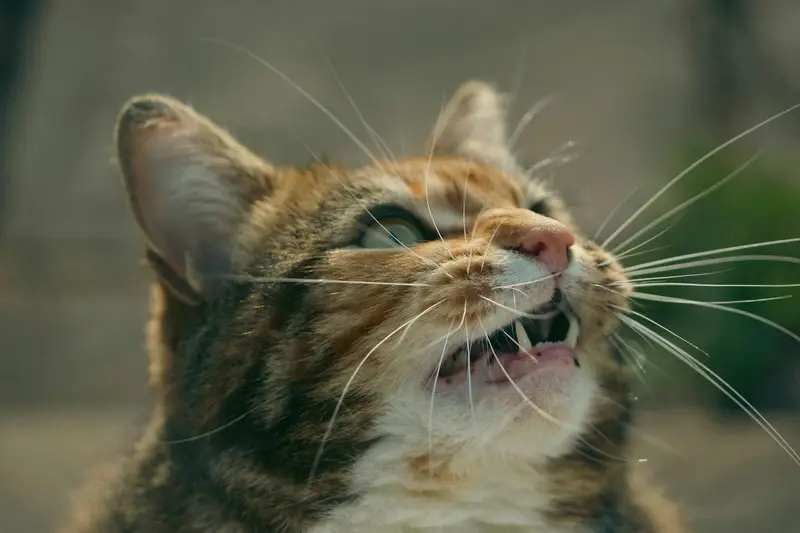
Whiskers, also called vibrissae, are thicker and more deeply rooted than normal hairs. They grow from special hair follicles packed with nerves. While cats have these special hairs on their upper lips, they also have them above their eyes, on their chin, and even on the backs of their front legs.
Each whisker is connected to a bundle of nerve endings at the base. That makes each whisker super sensitive to touch, air currents, and even tiny vibrations. Think of them like radar or antennae for your cat.
What Do Whiskers Help Cats Do?
Whiskers aren’t just there to make your cat look majestic. They’re actually working hard behind the scenes. Here’s what they do:
- Measure spaces: Ever notice how your cat checks a small opening before jumping in? Whiskers help with that. The ones on your cat’s cheeks are about as wide as their body. If the hairs touch the sides, your cat knows the space might be too tight.
- Detect movement: Whiskers can pick up even the slightest changes in the air. That helps cats sense nearby movement, like a mouse scurrying across the floor, even in complete darkness; kind of like night vision!
- Protect the face: Whiskers near the eyes and mouth help alert your cat to things that could poke or scratch them. They trigger a blink reflex or help your cat avoid sharp objects.
- Send signals: Cats also use their whiskers as a form of feline communication. When they’re pushed forward, that can mean your cat is curious or on high alert. Whiskers pulled back might show fear or anger.
What Happens if You Trim Them?
Never cut a cat’s whiskers! Whisker trimming doesn’t hurt the same way as cutting skin, but it can confuse and disorient your cat. When missing even one whisker, cats may have trouble walking around, especially in low light, and may misjudge distances. Some cats even become anxious or withdrawn.
Whiskers and mood
A cat’s whiskers also move based on how they feel. Here are a few clues to look out for:
- Relaxed whisker(s) = Calm cat
- Forward whisker(s) = Interested or excited
- Flattened whisker(s) = Stressed or scared
Learning to read these signs can help you understand your cat better.
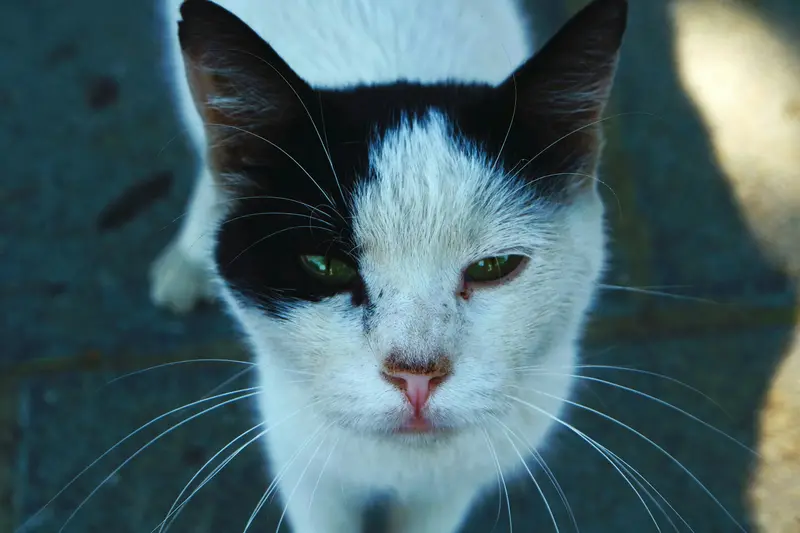
whisker stress and whisker fatigue
Whiskers can get tired! Whisker fatigue happens when a cat’s sensitive little hairs are overstimulated. Since they pick up even the slightest touches, too much contact (like constantly brushing against the sides of a deep food bowl) can overwhelm your cat’s nervous system.
This can lead to signs of stress, like:
- Avoiding the food bowl
- Pawing at food instead of eating it
- Acting jumpy or irritable
If you think your cat might have whisker fatigue, try switching to a shallow, wide food dish. Giving them a break can make mealtimes more comfortable.
fun whisker facts
- They are symmetrical. Cats have the same number on both sides to keep their balance.
- Most cats have 24 whiskers on their upper lips.
- These little hairs can change color with age. It’s not unusual to see a few white ones pop up over time.
final thoughts
Cat whiskers are more than just cute. They’re tiny, sensitive sensory tools that help your furry friend explore the world, stay safe, and communicate how they feel. So the next time you watch your cat twitch their whisker(s) or brush against a doorway, you’ll know there’s more going on than meets the eye.
Have any concerns about your pet? Contact a vet today!
further information
https://www.discoverwildlife.com/animal-facts/mammals/whiskers-what-they-are-how-they-work
https://www.purina.co.uk/articles/cats/behaviour/common-questions/why-do-cats-have-whiskers