Do pets get jealous? If your dog squeezes between you and a loved one or your cat knocks something off the table when you ignore them, you’ve probably witnessed jealous pet behavior. While jealousy in pets isn’t identical to human emotion, their behavioral responses show clear signs of emotional distress.
Understanding pet jealousy is essential for pet parents who want to maintain a happy and balanced home.
What is pet jealousy?
Pet jealousy refers to emotional or behavioral reactions that happen when a dog or cat feels excluded or threatened by divided attention. Pets rely on strong bonds with their humans. When that bond feels at risk, pets may react emotionally or act out to regain attention or space.
Do Dogs Get Jealous?
Yes, dogs can exhibit jealous behaviors. A 2014 study in PLOS ONE showed that dogs barked, pushed, or physically interrupted their owners when they showed affection to a stuffed animal resembling another dog (Harris & Prouvost, 2014).
Jealous dog behavior can include:
- Barking or whining when you’re near someone else
- Growling or signs of aggression around new people or pets
- Following you closely or becoming overly clingy
- Ignoring commands or acting out, especially when you’re distracted
- Chewing on leashes or other objects during moments of stress or tension
Some dogs may even experience separation anxiety, which can make jealous reactions more intense.
do cats get jealous?
Cats may be less obvious, but jealous cat behavior is very real. When a cat feels left out or insecure, you might see behaviors like:
- Swatting or hissing at a new kitten or guest
- Meowing excessively or interrupting interactions
- Urinating outside the litter box
- Scratching furniture or other signs of territorial stress
- Spending more time alone or hiding in small spaces
A cat’s sense of territory plays a major role in its social behavior. Any disruption (new people, animals, or schedule changes) can lead to jealousy or behavioural shifts.
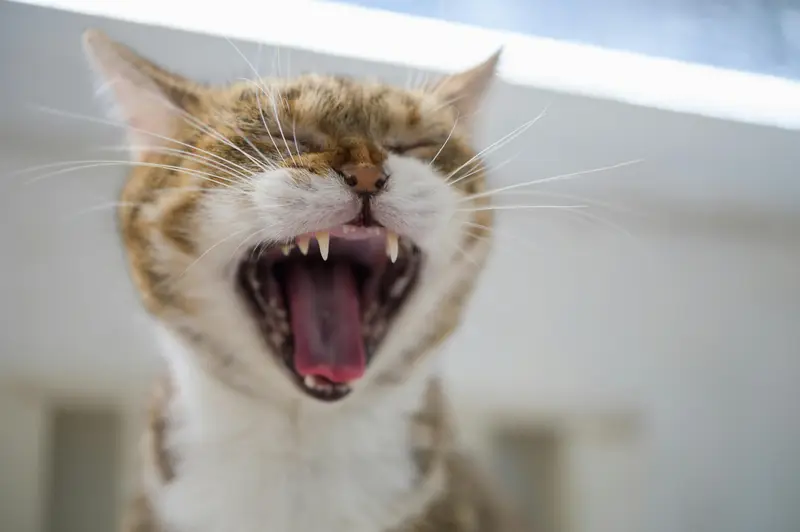
common signs of pet jealousy
Here are clear signs that your dog or cat may be feeling jealous:
1. Attention-Seeking Behavior
A jealous pet may interrupt conversations, crawl into your lap, or try tricks they know get your attention. Some will use positive learned tricks, while others may turn to destructive actions to get noticed.
2. Aggressive Reactions
Growling, barking, swatting, and hissing are all common signs of aggression triggered by emotional discomfort. Always evaluate whether your pet’s aggression is related to territory, fear, or insecurity.
3. Accidents and House-Soiling
Jealous pets may begin house-soiling, even if they’re already trained. In dogs, this can indicate emotional distress or even a need for additional house-training support. For cats, litter box avoidance is often a sign of jealousy or tension.
4. Destructive Behavior
Torn pillows, chewed shoes, or knocked-over water bowls can all signal a jealous pet acting out. These behaviors often happen when you’re spending more time with a new pet, baby, or partner.
5. Withdrawal and Changes in Mood
Some pets may stop eating, become less playful, or sleep more. These are signs that your pet may be feeling insecure or pushed aside.
why jealousy happens in pets
Jealousy in pets usually arises due to changes in household dynamics. Triggers can include:
- New people or pets moving in
- A new baby getting most of your attention
- Work schedule changes or less time at home
- Uneven attention among multiple pets
- Lack of mental stimulation or neglected obedience classes
These disruptions may create tension in pets who are used to routine and consistency.
How to Deal with a Jealous Pet
Helping your pet cope with jealousy involves structure, care, and sometimes professional help. Here are effective strategies:
- Stick to a routine: Feeding, walking, and playtimes should stay consistent
- Give individual attention: Set aside quality time with each pet
- Use positive reinforcement: Offer treats and rewards for calm, confident behavior
- Avoid punishment: Scolding increases anxiety and can worsen jealousy
- Provide calming support: Natural techniques like massage, scent-based enrichment, or a quiet space may help ease stress
- Consult professionals: A veterinarian can rule out health issues, while an animal behaviorist can help with long-term behavior plans
If jealousy is tied to behavioral health concerns or separation anxiety, it’s important to address the emotional root of the issue.

Frequently Asked questions
What’s the difference between jealousy and separation anxiety?
Jealousy stems from divided attention, while separation anxiety relates to fear of being alone. Both can cause acting out or emotional distress.
Can cats and dogs both show jealousy?
Yes, jealous cat behavior and jealous dog behavior may look different but often stem from similar causes like insecurity or disrupted bonds.
Should I reward my pet when they act jealous?
You should avoid reinforcing bad behavior. Instead, reward calmness and redirect attention to a trick or command they know.
When should I seek professional help?
If your pet’s jealousy leads to aggression, house-soiling, or emotional withdrawal that lasts more than a few weeks, speak to your veterinarian or an animal behaviorist.
Final thoughts
So, do pets get jealous? Yes. Dogs and cats can experience emotional responses when their bond with their human feels disrupted. From aggression and house-soiling to attention-seeking behaviors, pet jealousy is a real and manageable issue.
By maintaining routines, rewarding healthy behavior, and working with professionals if needed, pet parents can help reduce insecurity and support their pet’s emotional well-being.
further information
https://doi.org/10.1371/journal.pone.0094597
https://www.livescience.com/61308-do-animals-get-jealous.html