When it comes to keeping pets happy and healthy, grooming is one of the most important habits a pet owner can embrace. Beyond the surface-level benefits of a clean coat and trimmed nails, regular grooming supports a pet’s overall well-being, reduces stress, and strengthens the bond between pet and owner. From professional sessions to at-home routines, this guide covers everything you need to help your pet look and feel their best.
Why Grooming Matters for Pets
Grooming is essential not just for a pet’s appearance but also for their physical health and emotional comfort. Dogs and cats both benefit from regular brushing, nail trims, ear checks, and skin inspections. These small actions help prevent infections, control shedding, reduce matting, and alert you to potential health concerns early.
A well-groomed pet tends to feel better, behave better, and even sleep better. Grooming also allows you to spend quality time with your pet while reinforcing trust and relaxation.
The Benefits of a Grooming Routine for pets
Just like people thrive on routines, pets do too. Creating a regular grooming routine ensures your pet’s coat stays clean, their nails don’t grow too long, and any potential skin issues are spotted before they become problems.
Benefits include:
- Healthier skin and coat
- Fewer parasites like fleas and ticks
- Reduced shedding in your home
- Improved hygiene and odor control
- Better circulation and comfort for your pet
Whether you have a long-haired dog, a short-coated cat, or a breed with special grooming needs, a consistent routine makes a noticeable difference. For more information on grooming specifically cats, click here.
Understanding Your Pet’s Coat Type
Different pets have different grooming requirements depending on their breed, coat type, and lifestyle. For example, double-coated breeds like Golden Retrievers or Huskies shed heavily and need regular brushing to prevent matting. Cats with long fur, such as Persians or Maine Coons, may require daily brushing to avoid tangles.
Short-haired pets may not mat, but they still shed and benefit from regular brushing to remove dead hair and distribute skin oils.
Knowing your pet’s specific grooming needs helps you choose the right tools and schedule for maximum coat health and comfort.
Brushing: The Foundation of Looking Sharp
Regular brushing is the backbone of good grooming. It removes loose fur, prevents mats, and keeps your pet’s coat looking shiny and clean.
Brushing tips:
- Use a slicker brush for long-haired dogs and cats
- Use a bristle or rubber brush for short-haired pets
- Brush in the direction of hair growth to avoid irritation
- Offer treats and praise to make grooming a positive experience
Most dogs benefit from brushing at least once a week, while long-haired breeds and cats may require daily brushing. Brushing also gives you a chance to check for fleas, ticks, lumps, or skin issues.
Bath Time Basics for pets
Bathing your pet is another key step in maintaining a clean, healthy coat. However, overbathing can lead to dry skin, so it’s important to bathe only as needed based on your pet’s breed, activity level, and skin type.
Tips for a stress-free bath:
- Use pet-specific shampoo to avoid irritation
- Make sure the water is warm & not too hot or cold
- Gently massage the shampoo into your pet’s coat
- Rinse thoroughly and dry with a towel or pet dryer
For most dogs, bathing once every 4–8 weeks is ideal. Cats usually don’t require frequent baths unless they get into something dirty or have a medical need.
Nail Care for Comfort and Mobility
Overgrown nails can cause discomfort, joint problems, and even injury to your pet. Trimming nails regularly keeps their paws healthy and helps prevent slipping or altered walking patterns.
Nail trimming tips:
- Use pet-safe nail clippers or a grinder
- Clip small amounts at a time to avoid the quick
- If you’re unsure, ask your vet or groomer for guidance
Check your pet’s nails every few weeks, especially if they don’t walk on hard surfaces that naturally wear them down.
Ear and Eye Cleaning for pets
Many pet owners forget about ear and eye care, but these are critical parts of your grooming routine. Dogs with floppy ears or long-haired cats are especially prone to buildup or infection.
Ear cleaning:
- Use a pet-safe ear cleaner and cotton pad
- Gently wipe the outer ear & never go deep into the canal
- Check for signs of redness, odor, or discharge
Eye cleaning:
- Use a damp cloth to remove discharge or tear stains
- Be gentle and avoid irritating the eyes
- Consult a vet if discharge is persistent or discolored
These small steps help prevent irritation and keep your pet looking bright and alert.
Professional Grooming vs. At-Home Grooming
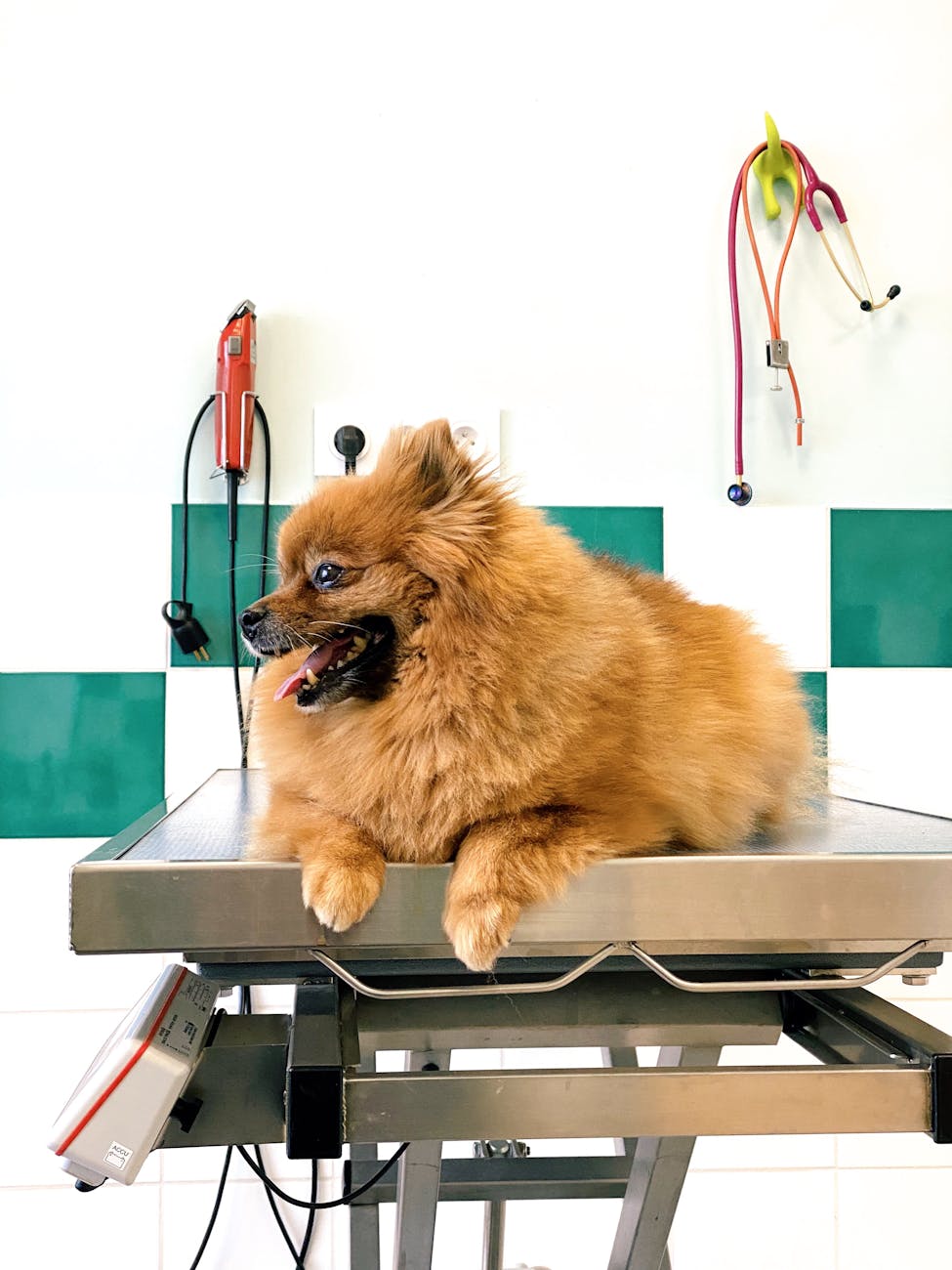
Some pets require more intensive grooming that’s best handled by professionals. Professional groomers are skilled at handling trims, de-shedding treatments, breed-specific cuts, and managing anxious pets.
When to consider professional grooming:
- Your dog or cat has a dense, mat-prone coat
- You’re unsure about nail trimming or sanitary trimming
- You prefer a polished, styled look (especially for breeds like Poodles or Shih Tzus)
That said, many grooming tasks can be done at home with the right tools and patience. Even if you visit a groomer regularly, it’s still important to maintain a basic grooming routine between appointments.
Essential Grooming Tools for Pet Owners
To groom your pet effectively, invest in a few high-quality tools tailored to their needs:
- Brushes (slicker, bristle, or undercoat rake)
- Nail clippers or grinder
- Pet shampoo and conditioner
- Ear and eye wipes
- Grooming scissors or clippers (if needed)
- Pet-safe dryer or absorbent towels
Storing these items in a dedicated grooming kit keeps everything organized and easily accessible for your routine.
Creating a Positive Grooming Experience
Grooming should be a relaxing and bonding experience, not a stressful one. Start grooming your pet from a young age, and always pair sessions with positive reinforcement.
Helpful tips:
- Keep sessions short at first, and build up slowly
- Offer treats, praise, or a favorite toy
- Speak calmly and move gently
- If your pet is nervous, try grooming one body part at a time
With patience and practice, even pets who dislike grooming can learn to tolerate or enjoy it.
Looking Sharp and Feeling Great
Grooming is more than just keeping your pet clean, it’s about supporting their health, comfort, and confidence. A clean, well-groomed pet looks better, feels better, and lives better. From maintaining a glossy coat to preventing discomfort and infection, regular grooming is an investment in your pet’s long-term well-being. For more information click here to find out more about how to properly groom your pet!
By staying on top of your pet’s grooming needs and using the right tools, you can ensure your furry friend is always looking sharp and feeling even sharper.