
What Science Says About Animal Sleep Cycles
Sleep is a universal phenomenon, but its mechanisms and patterns vary widely across species. From the deep, slow-wave sleep of mammals to the barely-there rest cycles of marine life, the animal kingdom reveals astonishing adaptations in how creatures rest. Scientists have long been fascinated by the brain activities, physiological changes, and behavioral states that define sleep across species. In this blog, we’ll explore the scientific understanding of animal sleep cycles, examining how different animals sleep, how much sleep they need, what stages they go through, and what research tells us about the evolution and function of sleep.
Why Animals Sleep: The Scientific Foundations
Sleep plays a crucial role in maintaining health, regulating metabolism, and consolidating memories in animals. Across taxa, researchers have documented that sleep affects:
- Body temperature regulation
- Immune function
- Cognitive performance
- Heart rates and cardiovascular efficiency
- Growth and development
From a neuroscientific perspective, sleep is defined by observable brain activities, including characteristic electrical patterns such as slow waves, spindles, and desynchronized brain activity in REM sleep. While these patterns are well-documented in humans and other mammals, researchers are beginning to understand how similar — or fundamentally different — they are in animals ranging from insects to reptiles and fish.
The Stages of animal sleep
In humans, sleep is divided into REM (Rapid Eye Movement) and NREM (Non-Rapid Eye Movement) stages. NREM includes slow-wave sleep (SWS), characterized by high-amplitude, low-frequency waves observable in EEG scans. REM, on the other hand, features fast, low-voltage brain waves similar to wakefulness, alongside muscle atonia and vivid dreams.
These stages of sleep are not exclusive to humans. Most mammals and birds show signs of both REM and slow-wave sleep, although the proportions and patterns vary greatly.
For example:
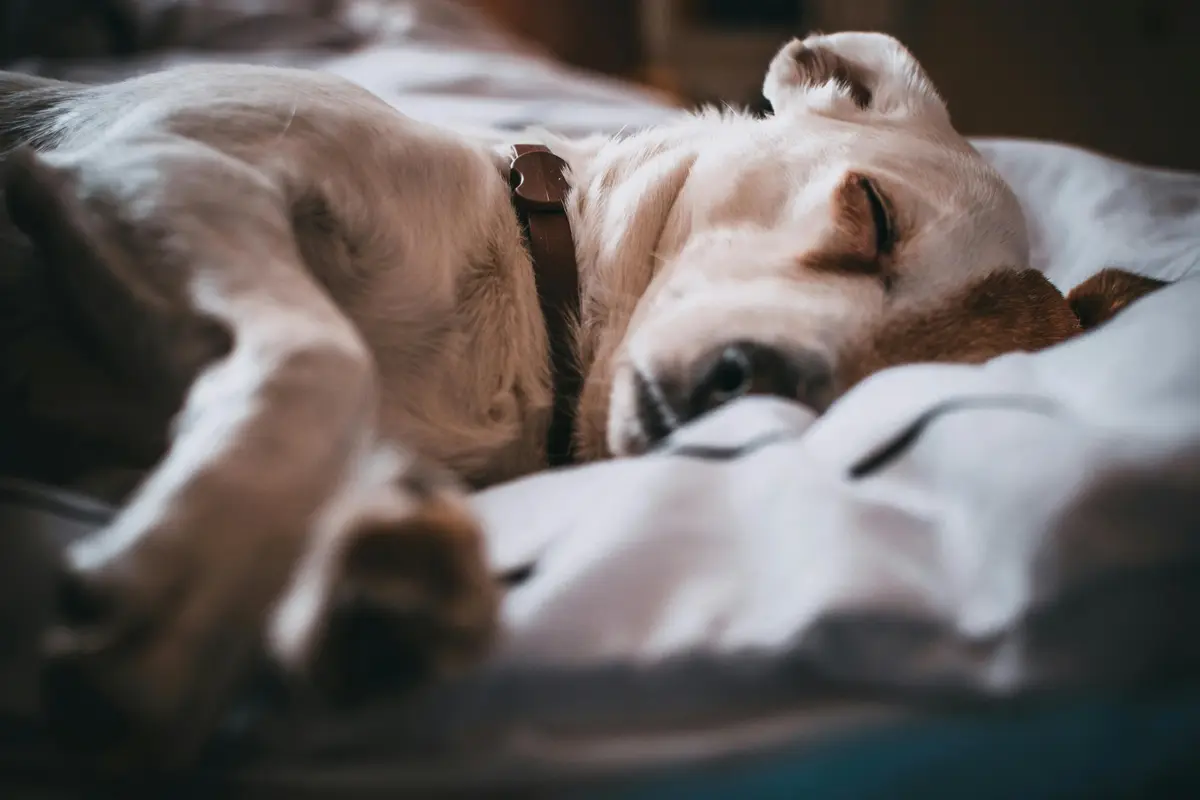
- Dogs and cats cycle between REM and SWS much more rapidly than humans.
- Elephants, despite their size and intelligence, sleep only about 2–3 hours per day, mostly while standing.
- Bats sleep up to 20 hours per day, with large amounts of SWS.
This variance invites the question: What determines how much sleep an animal needs?
How Many Hours of Sleep Do Animals Need?
Sleep duration varies dramatically across species. Scientists categorize animals by their typical sleep time or total hours of sleep per day, often in relation to diet, size, predator status, and metabolic rate.
| Animal | Sleep Time (hrs/day) | Notable Traits |
|---|---|---|
| Koala | 18–22 | Extremely low-energy diet |
| Lion | 16–20 | Apex predator with little need to stay alert |
| Cat | 13–16 | Mix of light dozing and REM |
| Human | 7–9 | Structured stages of sleep |
| Elephant | 2–3 | High mobility and low predation risk |
| Giraffe | 1.9 | High risk of predation; sleeps in short bursts |
Interestingly, sleep time doesn’t correlate neatly with intelligence or brain size. Instead, ecological factors like predation risk, foraging needs, and energy conservation strategies seem to play a dominant role.
Brain Activities During Animal Sleep
Slow-wave sleep, also known as deep sleep, is a crucial restorative phase. During this phase, neuronal oscillations in the brain slow down, allowing for synaptic repair, memory consolidation, and detoxification processes like glymphatic clearance.
In animals, slow waves have been measured using implanted electrodes or EEG caps. These waves signify a global “quieting” of the brain, though not all animals display them in the same way. For example:
- Rodents show clear-cut transitions between REM and SWS, making them valuable models for human sleep research.
- Birds exhibit unihemispheric slow-wave sleep, where only one hemisphere of the brain sleeps at a time — allowing them to fly or stay alert while partially resting.
- Marine mammals like dolphins and seals also sleep unihemispherically, likely to surface for air and avoid predators.
These findings challenge our concept of “normal sleep” and highlight evolutionary adaptations that prioritize survival.
Sleep in Zebrafish: A Genetic Model
Zebrafish have emerged as a popular model organism for studying sleep. Despite their small size and transparent bodies, they share many genetic and neurological pathways with humans, including those involved in circadian rhythm and sleep regulation.
Studies show that sleep in zebrafish includes a distinct rest phase marked by reduced movement, lower heart rates, and decreased responsiveness to stimuli. Although they lack the complex slow-wave sleep patterns seen in mammals, zebrafish still exhibit:
- Diurnal sleep cycles (they’re more active during the day and sleep at night)
- A rebound effect (they compensate for lost sleep with longer rest later)
- Responses to pharmacological agents that mimic human sedatives
These traits suggest that even in primitive vertebrates, sleep is a regulated biological state, not merely a passive rest.
Unique animal sleep adaptations
The animal kingdom is filled with extraordinary adaptations in sleep behavior:
1. Unihemispheric Sleep
This adaptation is most famously observed in:
- Birds (e.g., swifts, ducks)
- Marine mammals (e.g., dolphins, manatees, fur seals)
Only half the brain sleeps at a time, allowing the other half to remain alert for threats or to maintain motor function like swimming or flying.
2. Micro-Sleep
Some animals, like horses and giraffes, sleep in ultra-short bursts lasting only minutes at a time. Despite the short duration, these cycles may still include slow-wave activity, albeit at a localized scale.
3. Sleep While Moving
Recent studies on birds such as frigatebirds reveal they can sleep while gliding during migration, often with short, fragmented episodes of SWS.
4. Dormancy and Torpor
Some animals engage in seasonal dormancy, such as hibernation or estivation, where metabolic rate, heart rate, and body temperature plummet. Although these states are not identical to sleep, they share overlapping physiological traits and often contain sleep-like brain states.
The Function of Slow-Wave Sleep in Animals
What makes slow-wave sleep so critical? Across species, SWS is associated with:
- Memory consolidation (especially spatial memory in rodents and birds)
- Synaptic homeostasis (resetting synaptic strength after waking learning)
- Clearance of brain metabolites
- Hormonal regulation (e.g., growth hormone secretion)
- Physical restoration
Animals deprived of slow-wave sleep show increased irritability, impaired memory, weakened immune responses, and shortened lifespans in lab studies. These results underscore how fundamental SWS is — regardless of an animal’s size or complexity.
How Environment Influences Animal Sleep
Environmental factors heavily influence animal sleep cycles:
1. Light and Circadian Rhythms
Light is the primary “zeitgeber” or time-giver that regulates circadian rhythms. Animals in polar regions, where daylight can last for months, often show disrupted or adapted rhythms.
For instance:
- Reindeer in the Arctic can sleep without strong circadian cues.
- Blind cavefish have internal clocks that adapt to food availability rather than light.
2. Temperature
Many species sleep more in colder temperatures. For ectotherms like reptiles, sleep duration and depth can vary significantly with ambient body temperature.
3. Social Structure
Highly social animals (e.g., primates, meerkats) may sleep in groups for protection, often taking turns being on alert. This social sleep architecture optimizes both safety and rest quality.
The Evolution of Sleep in Animals
Sleep likely evolved early in the animal lineage. Even simple organisms like jellyfish, which lack a centralized brain, display rest states with reduced responsiveness and homeostatic regulation — two key indicators of sleep.
Comparative studies across species suggest sleep evolved as:
- A protective behavior (remaining still reduces detection by predators)
- A neurobiological necessity for resetting brain circuits
- An energy-conservation mechanism, particularly in calorie-scarce environments
What’s fascinating is that despite countless evolutionary paths, the need to sleep appears universal — even if the methods are wildly diverse.
Sleep Disorders and Abnormalities in Animals
Just like humans, animals can experience irregularities in sleep:
- Insomnia: Often linked to stress or environmental change (seen in lab rodents)
- Narcolepsy: Found in dogs, especially in breeds like Dobermans and Labradors, due to mutations in the hypocretin (orexin) system
- REM Behavior Disorder: Where animals act out dreams — observed in some cats and monkeys
Research into animal sleep disorders not only aids veterinary care but also informs human sleep medicine by providing models for neurological conditions.
How Scientists Study Animal Sleep
Researchers use a variety of methods to study sleep in animals:
- Electroencephalography (EEG): Measures brain activities during different sleep stages
- Actigraphy: Monitors movement to infer wakefulness or rest
- Infrared videography: Allows nocturnal observations without disturbing natural behavior
- Molecular markers: Track genes and proteins activated during sleep
Advanced imaging and genetics are now enabling scientists to manipulate sleep-related genes, offering insights into sleep’s deeper biological functions.
What’s Considered “Normal Sleep” in Animals?
Defining normal sleep is tricky in animals due to interspecies variation. However, key features include:
- Homeostatic regulation (sleep debt and rebound)
- Reduced responsiveness to external stimuli
- Predictable circadian rhythm
- Altered brain activities, including slow waves
Normalcy must be defined within species-specific contexts. For instance, it’s normal for a sloth to sleep 15–20 hours, while a horse may only require 2–3 hours.
Final Thoughts: What Science Still Wants to Know about animal sleep
While science has come far in understanding sleep, many mysteries remain. Why do some animals thrive on little sleep? Can we harness what we learn from slow-wave sleep in other species to treat human disorders? Could understanding sleep in zebrafish or birds that fly while sleeping help us unlock new models for brain plasticity or fatigue management?
Research continues to push the frontier, integrating neuroscience, genetics, and ecology to paint a more complete picture of one of nature’s most vital — and enigmatic — behaviors.