
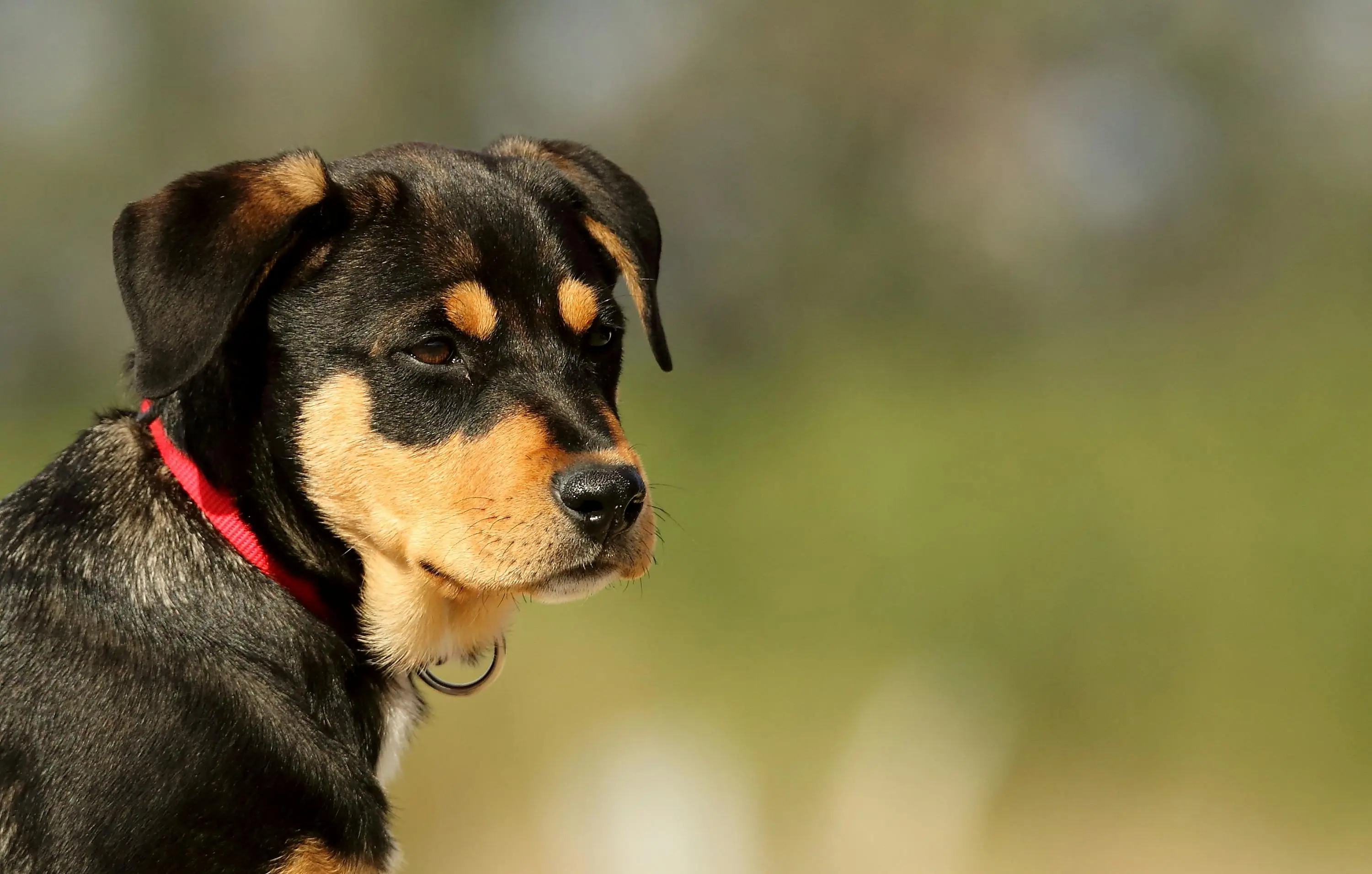
If your dog cannot stop scratching, licking, or chewing at their skin, you are probably asking the same question many pet owners ask: why is my dog so itchy?
Itchy skin in dogs can happen for a few different reasons. Sometimes it is something simple, like dry skin after too many baths. Other times, it can be a sign of fleas, allergies, or a reaction to something your dog came into contact with.
A good first step is to think about what has changed recently. Has your dog started a new food? Have they been outside more than usual? Did you switch shampoos, cleaning products, or flea treatments? Have they been around other animals?
Here are four common reasons dogs become itchy, and when it is time to get help.
1. Parasites can make dogs very itchy
Fleas, ticks, and mites are some of the most common causes of itching in dogs. Even a small number of parasites can leave a dog miserable. Flea bites, for example, can trigger intense irritation and inflammation. Some dogs scratch so much that they create red, raw spots or start losing hair.
Parasites are not always easy to spot at home. Fleas may hide well, and mites usually cannot be seen without testing. That is one reason dogs with ongoing itching often need a veterinary exam.
Signs parasites may be involved include:
- Constant scratching or biting at the skin
- Hair loss
- Red or irritated skin
- Scabs or open sores
- More itching around the tail base, belly, ears, or legs
The good news is that parasites can usually be treated once the cause is confirmed. Your veterinarian can help figure out what is going on and recommend the right treatment.
2. Allergies are another common cause
Dogs can develop allergies over time, even if they seemed fine before. Allergies often make dogs itchy, and the itching can get worse with more exposure.
Some dogs react to things in the environment, such as:
- Pollen
- Grass
- Dust
- Mold
Others may react to ingredients in food. A dog can even develop a food allergy after eating the same diet for a long time. That part surprises a lot of people.
Allergies do not always look the same in every dog. Some dogs mainly itch their paws. Others get ear problems, belly rash, or full-body itching. Because allergy symptoms can overlap with other skin problems, it is important to get the right diagnosis before trying random products at home.
3. Reactions to medications or chemicals can cause severe itching
Some dogs react badly to medications, topical products, or chemicals in their environment. This can lead to itching, redness, swelling, or sores.
Possible triggers include:
- Topical flea products
- Carpet cleaners
- Lawn treatments
- Shampoos
- Certain medications
- Dyes or additives in drugs
- Vaccines in rare cases
These reactions can be mild, but sometimes they can turn serious fast. If your dog suddenly becomes very itchy, develops facial swelling, breaks out in hives, seems weak, or has trouble breathing, they need veterinary care right away.
This is not a wait-and-see situation.
4. Dry skin can also make dogs itchy
Sometimes the problem is not parasites or allergies at all. Dry skin alone can make a dog uncomfortable and itchy.
Dry skin may be linked to things like:
- Overbathing
- Harsh or poorly matched shampoos
- Overuse of flea shampoos
- Poor nutrition
- A diet that does not work well for that dog
- Too many fatty table scraps or people food
This may cause flaking, dull coat, mild itching, or rough patches. While it may sound minor, it is still worth paying attention to, especially if the problem keeps coming back.
A veterinarian can help you figure out whether the issue is truly dry skin or something else that only looks similar.
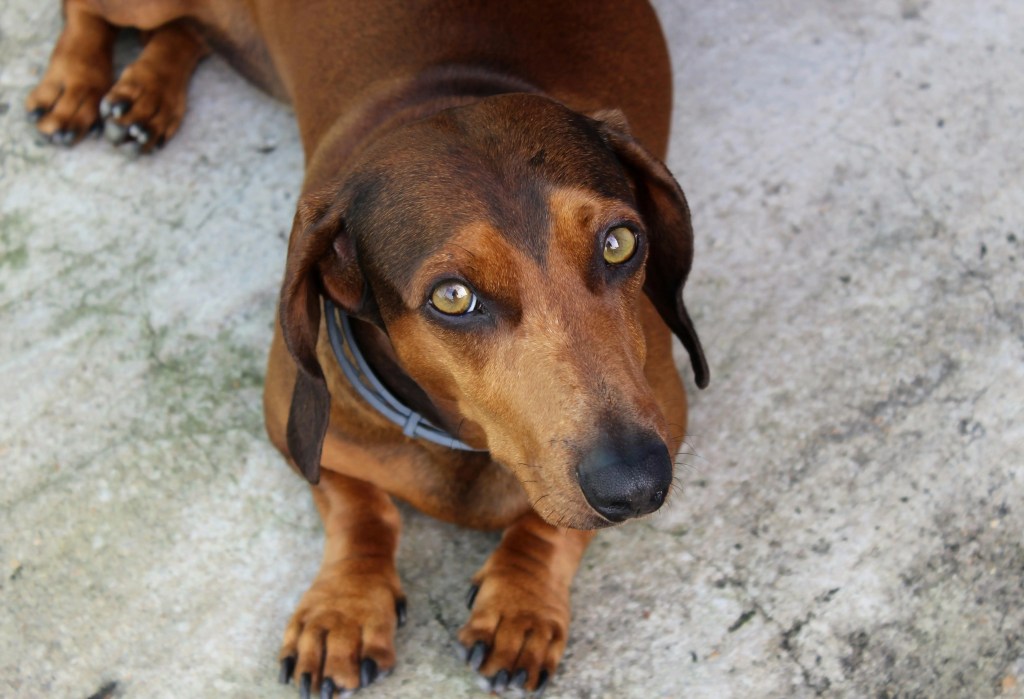
When should you call a veterinarian?
Mild itching that goes away quickly may not be an emergency, but your dog should be seen if you notice:
- Constant scratching
- Red, inflamed, or bleeding skin
- Hair loss
- Head shaking or ear problems
- Swelling
- Open sores
- Signs of pain
- Trouble breathing
- Sudden worsening after a product, medication, or vaccine
The longer skin problems go on, the more irritated the skin can become. That can make treatment harder and leave your dog even more uncomfortable.
Final thoughts
There are a few main reasons dogs get itchy, and the big ones are parasites, allergies, reactions, and dry skin. The hard part is that many of these can look similar at first.
That is why it helps to pay attention to changes in your dog’s routine, environment, diet, and skin. A small clue, like a new shampoo or a recent walk through tall grass, can sometimes point to the answer.
If your dog is scratching more than usual, a veterinary visit can help get to the cause faster and bring some relief sooner. At TelePAWS, we can help you talk through your dog’s skin concerns and decide what next steps make the most sense before that scratching turns your living room into a cloud of fur.
further information
https://www.akc.org/expert-advice/health/why-is-my-dog-so-itchy/


Leave a Reply
You must be logged in to post a comment.