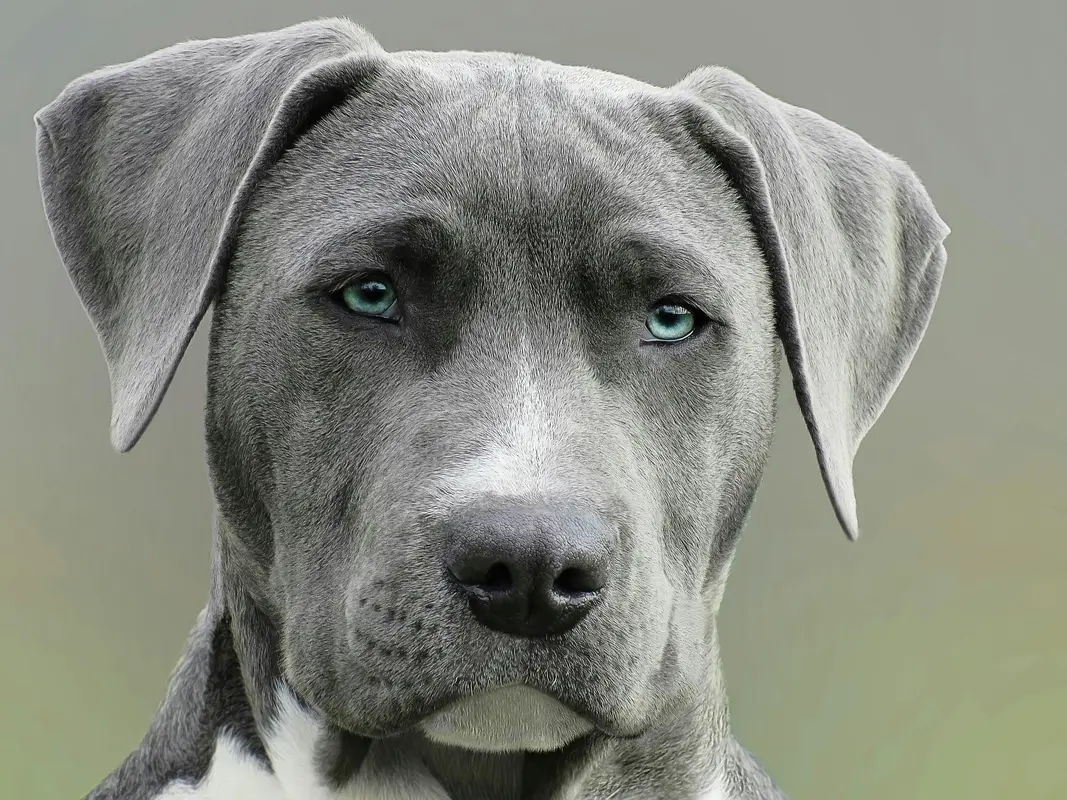

Walk into a living room where a shredded shoe, an overturned trash can, or a chewed-up pillow is waiting, and many dog owners swear they can see the “guilty look” written all over their pet’s face. Ears back, tail tucked, avoiding eye contact means they must know they misbehaved, right?
But the truth is, the psychology behind dog behavior, dog cognition, and the so-called “guilty look” is more complex than it seems. While pets certainly display unique body language after committing bad behaviors, research suggests these expressions may not reflect guilt at all. Instead, they’re rooted in instinctive animal behavior, social communication, and responses to human cues.
In this article, we’ll dive deep into the science of pet guilt, explore what researchers from dog cognition labs have discovered, and discuss how dog owners can use this knowledge to better support animal welfare and encourage good behavior through positive reinforcement.
Do Dogs Really Feel Guilt?
One of the hottest debates in animal behavior science is whether dogs experience secondary emotions like guilt, shame, or pride. Primary emotions, such as fear, anger, or joy, are well-documented in animals. But secondary emotions require more complex mental processes, often tied to theory of mind, or the ability to recognize the thoughts and feelings of others.
Evidence Against True pet Guilt in Dogs
Researchers argue that while dogs are incredibly perceptive of human emotions and owner’s commands, they may not grasp the abstract concept of guilt. Studies from the dog cognition lab at Barnard College, led by Dr. Alexandra Horowitz, suggest the guilty look is not a true admission of wrongdoing. Instead, it’s a submissive posture triggered by the owner’s behavior, tone of voice, gestures, and facial expression after the fact.
In her experiments, dogs were observed after they had either eaten a forbidden treat or refrained from doing so. Interestingly, the “guilty look” was more likely to appear when owners scolded or reprimanded them regardless of whether the dog had actually misbehaved.
This means the dog’s behavior may not reflect guilt over chewing shoes or raiding the trash can, but rather an instinctive appeasement response to the human’s displeasure.
The Guilty Look: What It Really Means
Typical Features of the Guilty Look
When dog owners talk about the guilty look, they usually describe:
- Avoidance of eye contact
- Ears pinned back
- Tail lowered or tucked
- Submissive posture, such as crouching or rolling onto the back
- Whale eye (where the whites of the eyes show)
These cues are consistent with appeasement or submission in dog behavior, not necessarily acknowledgment of wrongdoing.
Submissive Posture vs. pet Guilt
It’s important to distinguish between greeting behavior (when a dog greets its owner after separation) and submission after scolding. In both cases, dogs use subtle body language to appease and maintain harmony in the relationship. The difference is context: in one situation, the posture says “I missed you,” and in another, it says “please don’t be upset.”
From an animal welfare perspective, interpreting these behaviors as guilt can actually harm the relationship between humans and pets. Dogs may be punished for emotions they don’t truly feel, creating confusion and stress.
Dog Cognition and Emotional Complexity
How Dogs Process Human Reactions
Dogs are masters at reading human cues. They rely on tone, owner’s command, and facial expressions to guide their responses. In many ways, they have evolved alongside humans to become hyper-attuned to our emotional states. This is why the “guilty look” often emerges as soon as an owner raises their voice or changes body posture, regardless of the dog’s previous actions.
Do Dogs Have a Theory of Mind?
Theory of mind refers to the ability to attribute thoughts, feelings, and intentions to others. While humans develop this around age four, whether dogs possess a version of this ability is still debated. Current research suggests dogs can anticipate human behavior and read cues exceptionally well, but they may not reflect on their own actions with moral awareness.
In other words, they likely don’t think: “I shouldn’t have chewed that shoe, and now I feel guilty.” Instead, they may think: “My owner is upset, and I should act submissive to calm them.”
pet guilt: Comparing Dogs and Other Animals
Dogs aren’t the only animals who display behaviors humans interpret as guilt. Cats, for example, often avoid eye contact or hide after knocking something over, but in feline animal behavior, this is more about avoiding conflict than feeling remorse.
Studies in other animals, such as primates, suggest some species may have rudimentary versions of secondary emotions. However, dogs, while highly social, seem to rely on greeting behavior, submissive gestures, and human-driven cues to navigate their relationships, rather than genuine guilt.
Why Owners Perceive pet Guilt
Anthropomorphism: Seeing Ourselves in Pets
Humans naturally project human language, emotions, and moral frameworks onto animals. When a dog cowers near a tipped-over trash can, it feels intuitive to assume they “know they did something wrong.” But this interpretation reflects human psychology more than canine cognition.
Reinforcement of pet guilt
When dog owners scold their pet, the dog displays appeasement behaviors. If the owner interprets this as guilt and adjusts their own behavior (e.g., stops yelling or forgives the dog), the dog learns this submissive posture is effective at de-escalating conflict. Over time, this reinforces the appearance of a guilty look, even if no guilt is felt internally.
The Role of Positive Reinforcement
Why Punishment Fails
Scolding a dog for past bad behaviors, like chewing furniture hours ago, rarely helps. Dogs don’t connect the punishment with the earlier action; instead, they only learn to fear their owner’s anger. From an animal welfare perspective, this is counterproductive and damaging.
Positive Reinforcement as a Solution
Instead of focusing on “punishing guilt,” experts recommend using positive reinforcement to encourage desired dog behavior. Rewarding dogs for good choices, such as ignoring the trash can, chewing a toy instead of a shoe, or responding to an owner’s command, builds stronger habits without damaging trust.
Animal behaviorists stress the importance of redirecting energy, providing enrichment, and rewarding calm behaviors to prevent future mischief. For more on pet training, read here.
What Science Says: Studies on the Guilty Look
Several studies help clarify the reality behind the guilty look:
- Horowitz (2009) – In a controlled study, dogs showed the “guilty look” more often when scolded, regardless of whether they had actually disobeyed an owner’s command.
- Reid (2011, Applied Animal Behaviour Science) – Found that most dog owners believe dogs feel guilt, but interpretation often depends on the owner’s perception, not the dog’s behavior.
- Udell & Wynne (2010) – Suggested that the “guilty look” is more accurately a submissive or appeasement behavior tied to canine body language rather than moral understanding.
Together, these studies suggest guilt as we understand it may not exist in canine minds but the dog’s behavior still reflects meaningful communication.
Practical Advice for Dog Owners
- Avoid Punishing “Guilty Looks.” Your dog is not admitting guilt. They are trying to calm you. Punishing them for showing appeasement can harm trust.
- Focus on Prevention. If your dog frequently raids the trash can, manage the environment by keeping it secure. Prevention reduces opportunities for bad behaviors.
- Reward Positive Choices. When your dog chews a toy instead of a shoe, immediately reward them. This strengthens the behavior you want.
- Use Redirection. If you catch your dog mid-misbehavior, redirect their energy with a toy or command, then reward the corrected action.
- Consult an Animal Behaviorist. If guilt-like behaviors are accompanied by anxiety, fear, or aggression, a professional can help create a tailored training plan.
Animal Welfare and the Myth of pet Guilt
Framing pets as “guilty” risks misunderstanding their emotional needs. From an animal welfare perspective, it’s more compassionate to see these gestures as communication rather than moral failure. Recognizing that a dog is showing a submissive posture out of stress, not guilt, helps owners respond with empathy and clarity.
By understanding the difference, dog owners can create a more supportive environment, reduce anxiety, and improve their pet’s overall well-being.
Conclusion: Redefining the Guilty Look
The next time you come home to a tipped trash can or shredded newspaper, remember: your dog’s “guilty look” isn’t proof of moral awareness. Instead, it’s a combination of instinctive animal behavior, dog cognition, and their remarkable ability to read human emotions.
While dogs don’t appear to experience guilt in the same way humans do, their body language, greeting behavior, and appeasement cues are deeply meaningful forms of dog communication. By responding with understanding, patience, and positive reinforcement, dog owners can shift the focus from punishment to growth, which strengthens trust and promotes better dog behavior in the long run.
Ultimately, decoding the “guilty look” is less about guilt itself and more about the extraordinary bond between humans and their pets.
further information
https://pmc.ncbi.nlm.nih.gov/articles/PMC8614365
https://www.akc.org/expert-advice/training/do-dogs-feel-guilt/