Keeping your pet clean goes beyond baths and grooming, ear care is a crucial part of maintaining overall health. Dirty or infected ears can cause discomfort, pain, and even long-term issues if left untreated. Whether you’re a first-time pet parent or an experienced owner, learning how to clean your pet’s ears safely is essential.
In this guide, we’ll cover everything you need to know about safe ear cleaning for dogs and cats, including what to use, what to avoid, and when to seek professional help.
Why Ear Cleaning Is Important for Pets
Your pet’s ears can trap dirt, moisture, and wax, creating the perfect environment for bacteria and yeast to grow. Without proper cleaning, this buildup can lead to infections, irritation, and hearing problems.
Regular ear care helps:
- Prevent ear infections
- Reduce odor and wax buildup
- Improve comfort and hearing
- Catch early signs of health issues
Some pets, especially dogs with floppy ears or those prone to allergies may need more frequent cleaning than others.
Signs Your Pet’s Ears Need Cleaning
Before jumping into cleaning, it’s important to recognize when your pet actually needs it. Over-cleaning can be just as harmful as neglect.
Watch for these signs:
- A noticeable odor coming from the ears
- Visible wax or debris
- Redness or mild irritation
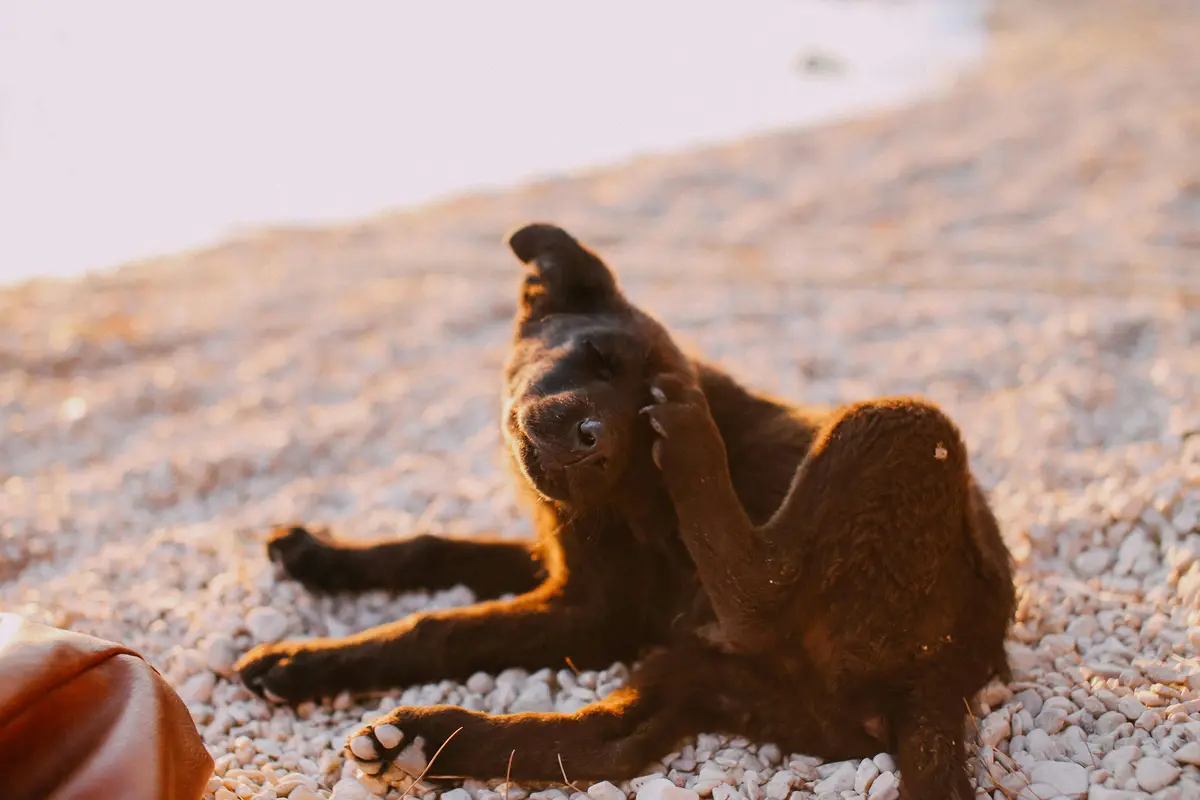
- Frequent scratching or pawing at the ears
- Head shaking
If you notice severe redness, swelling, discharge, or signs of pain, skip at-home cleaning and consult a veterinarian.
What to Use to Clean Your Pet’s Ears
Using the right tools and products is key to safe and effective ear cleaning.
1. Vet-Approved Ear Cleaning Solution
Always use a veterinarian-recommended ear cleaner designed specifically for pets. These solutions are formulated to:
- Break down wax and debris
- Maintain proper pH balance
- Reduce bacteria and yeast growth
Avoid using products meant for humans, as they can irritate your pet’s ears.
2. Cotton Balls or Gauze
Soft cotton balls or gauze pads are ideal for wiping away debris. They’re gentle and won’t damage sensitive ear tissue when used properly.
3. Towels
Ear cleaning can get messy, especially if your pet shakes their head. Keep a towel handy to protect surfaces and clean up afterward.
4. Treats for Positive Reinforcement
Cleaning your pet’s ears can be uncomfortable for them, so rewarding good behavior with treats helps create a positive experience.
Step-by-Step Guide to Cleaning Your Pet’s Ears
Follow these steps to clean your pet’s ears safely:
Step 1: Choose a Calm Environment
Find a quiet, comfortable space where your pet feels relaxed.
Step 2: Inspect the Ears
Look for signs of infection such as redness, swelling, or discharge. If anything seems abnormal, stop and consult your vet.
Step 3: Apply Ear Cleaning Solution
Gently lift the ear flap and apply the recommended amount of cleaning solution into the ear canal.
Step 4: Massage the Base of the Ear
Massage the base of the ear for about 20–30 seconds. This helps loosen debris and distribute the solution.
Step 5: Let Your Pet Shake
Allow your pet to shake their head. This helps bring debris to the outer ear.
Step 6: Wipe Away Debris
Use a cotton ball or gauze to gently wipe the outer ear. Never go deep into the ear canal.
What to Avoid When Cleaning Your Pet’s Ears
Knowing what not to do is just as important as knowing what to do.
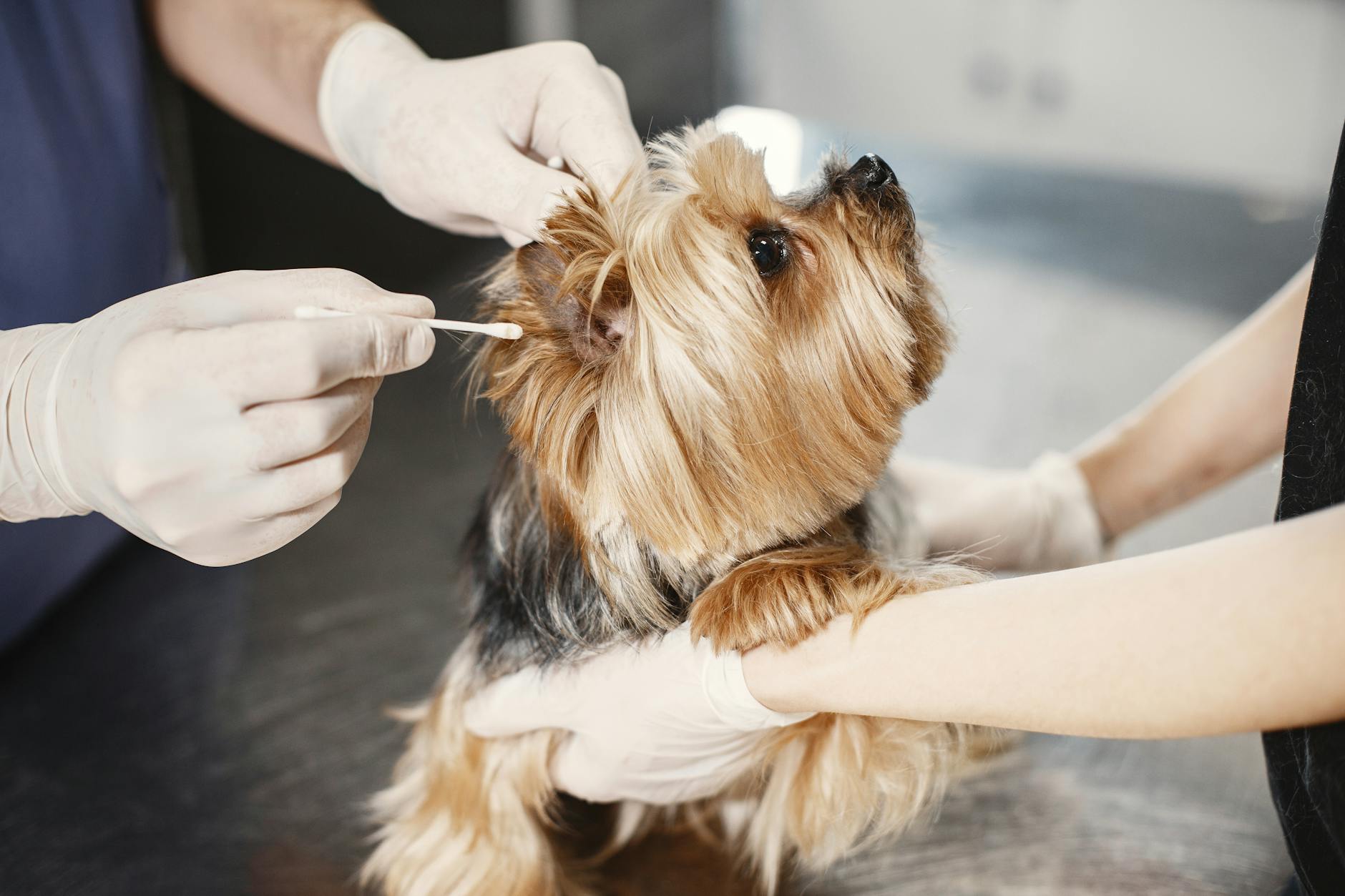
1. Cotton Swabs (Q-Tips)
Avoid inserting cotton swabs into your pet’s ear canal. They can:
- Push debris deeper
- Damage the ear canal
- Increase the risk of injury
2. Hydrogen Peroxide or Alcohol
These common household products can be too harsh for your pet’s ears. They may cause:
- Irritation
- Dryness
- Delayed healing
3. Water
Water trapped in the ear can create a breeding ground for bacteria and lead to infections. Always use a proper ear-cleaning solution instead.
4. Over-Cleaning
Cleaning your pet’s ears too frequently can strip natural oils and disrupt the ear’s balance, making infections more likely.
Stick to a routine based on your pet’s needs, typically once every few weeks unless advised otherwise by your vet.
How Often Should You Clean Your Pet’s Ears?
The frequency of ear cleaning depends on your pet’s breed, lifestyle, and health.
- Dogs with floppy ears: May need weekly cleaning
- Active or outdoor pets: May need more frequent care
- Cats: Usually require less frequent cleaning
Always follow your veterinarian’s recommendations for your specific pet.
Common Causes of Ear Problems in Pets
Understanding what leads to ear issues can help you prevent them.
Common causes include:
- Allergies
- Moisture buildup (especially after swimming or bathing)
- Ear mites
- Excess wax production
- Poor ventilation in the ear canal
Regular cleaning and monitoring can help catch these issues early.
When to See a Veterinarian
While routine cleaning can prevent many problems, some situations require professional care.
Contact your vet if you notice:
- Strong or foul odor
- Thick discharge (yellow, brown, or black)
- Swelling or redness
- Signs of pain when touching the ear
- Persistent scratching or head shaking
These symptoms may indicate an infection or underlying condition that needs medical treatment.
Tips for Making Ear Cleaning Easier
Cleaning your pet’s ears doesn’t have to be stressful. Here are a few tips to make the process smoother:
- Start ear cleaning when your pet is young to build familiarity
- Keep sessions short and positive
- Use treats and praise generously
- Stay calm and patient
Consistency and positive reinforcement go a long way in making ear care part of your routine.
Final Thoughts
Learning how to clean your pet’s ears safely is an essential skill for every pet parent. With the right tools, techniques, and awareness, you can prevent infections, reduce discomfort, and keep your pet healthy.
Remember to use vet-approved products, avoid harmful items like cotton swabs and alcohol, and always pay attention to your pet’s behavior and ear condition. When in doubt, consult your veterinarian for guidance.
By making ear care a regular part of your pet’s grooming routine, you’re taking an important step toward ensuring their long-term health and happiness. To learn more about other grooming tips and tricks, click this link here!