

As pet owners, we go to great lengths to ensure our furry companions are safe and happy. But many of us overlook the very environment they live in—our homes. From seemingly harmless foods on the counter to common cleaning products under the sink, there are many hidden household dangers for pets. Understanding these household hazards can help prevent accidental poisonings, injuries, or worse. Here’s a rundown of some of the most common threats that every pet owner should be aware of.
1. Foods That Are Toxic to Pets
What’s delicious for us can be deadly for dogs and cats. Common kitchen culprits include:
- Chocolate – Contains theobromine, which is toxic to dogs and cats.
- Grapes and Raisins – Even small amounts can cause kidney failure in dogs.
- Onions and Garlic – These can destroy red blood cells, leading to anemia.
- Xylitol – A sugar substitute found in sugar-free gum, peanut butter, and baked goods that can cause insulin release, leading to hypoglycemia and liver failure.
- Alcohol and Caffeine – Both can severely affect your pet’s central nervous system and heart.
Tip: Keep all human food out of reach and ensure guests know not to feed table scraps to your pets.
2. Plants That Poison
Many common houseplants and garden varieties are toxic to pets:
- Lilies – Especially dangerous for cats; even licking pollen can cause kidney failure.
- Aloe Vera – Contains saponin, which can cause vomiting, diarrhea, and nausea in pets. Dehydration from ingestion can be serious.
- Sago Palm – Ingesting any part of the plant, especially the seeds, can be fatal.
- Tulips and Daffodils – Bulbs are particularly toxic and can cause severe symptoms like drooling, nausea, and heart issues.
- Azalea – The entire plant is harmful to both cats and dogs. Even a few leaves can cause vomiting, diarrhea, oral irritation, and potentially liver damage.
- English Ivy – The leaves and berries are toxic to both pets and humans. Ingestion can cause burning in the mouth and throat, excessive thirst, vomiting, and abdominal pain.
- Hydrangeas – Contain cyanogenic glycoside, which can cause vomiting, abdominal pain, and in severe cases, seizures and breathing difficulties.
- Chrysanthemums – Contain pyrethrin, a natural insecticide that causes vomiting, diarrhea, and skin irritation. Cats are especially sensitive to this compound.
Tip: Research any new plants before bringing them home and keep toxic ones out of your pet’s reach. If you maintain a garden, consider replacing dangerous varieties with pet-safe alternatives like spider plants, Boston ferns, or pet grass.
3. Cleaning Products and Chemicals
Many cleaning supplies contain harsh chemicals that are toxic when licked off paws or fur:
- Bleach and Ammonia – Can burn skin, eyes, and gastrointestinal lining.
- Phenol-based cleaners (like Lysol) – Especially toxic to cats.
- Antifreeze (ethylene glycol) – Sweet-tasting but highly deadly, even in tiny amounts.
Tip: Use pet-safe cleaning products and store all chemicals in secured cabinets.
4. Medications – Both Human and Pet
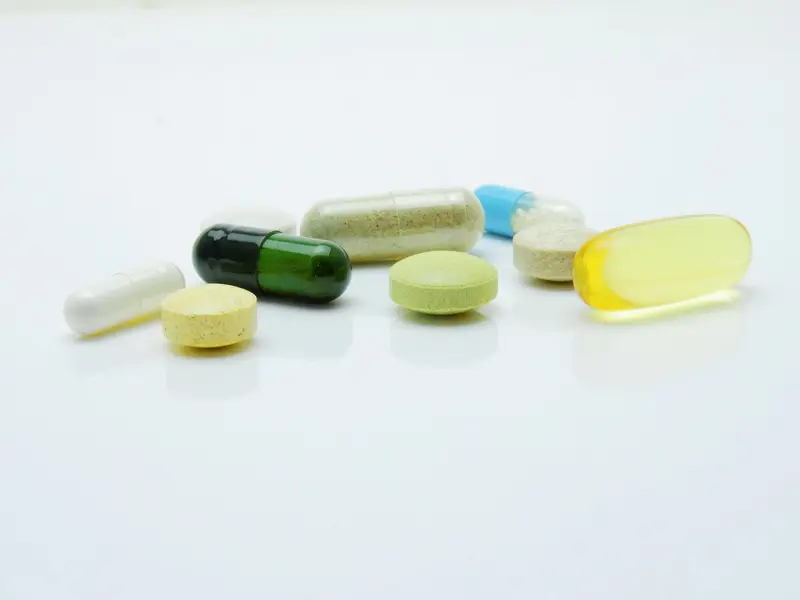
Unsecured medications—whether prescription or over-the-counter—are a leading cause of pet poisoning:
- Ibuprofen and Acetaminophen – Even one pill can be lethal to dogs and cats.
- Antidepressants and ADHD medications – Can cause tremors, seizures, or cardiac issues.
- Veterinary medications – Overdoses can be just as dangerous as the wrong human medicine.
Tip: Store all medications in high cabinets and never give your pet human medicine without vet approval.
5. Choking Hazards and Foreign Objects
Pets, especially young ones, are curious and love to chew:
- Small toys, string, rubber bands – Can cause intestinal blockages.
- Bones and corn cobs – Can splinter or get stuck in the digestive tract.
- Batteries and coins – Toxic and can cause internal burns or blockages.
Tip: Keep floors clear and monitor what your pet is playing with or chewing on.
6. Pest Control Products
Rodenticides, insecticides, and even flea and tick treatments meant for dogs can be lethal to cats and vice versa:
- Rat poison – Often flavored to attract rodents (and pets), can cause internal bleeding or organ failure.
- Insect sprays and baits – Can cause neurological symptoms or death if ingested.
- Flea collars and spot-ons – Using dog-only products on cats (or incorrect dosages) can be fatal.
Tip: Read all labels, use species-specific products, and consult your vet before starting any pest treatment.
7. Electrical and Fire Hazards
Chewing cords or getting too close to heat sources can result in injury or death:
- Electrical cords – Especially tempting to puppies and kittens; chewing can cause electrocution.
- Candles and space heaters – Can be knocked over or burn a curious pet.
Tip: Use cord protectors, pet-proof your outlets, and never leave pets unattended with open flames or heating devices.
Final Thoughts
While the list may seem overwhelming, awareness is your best defense. A few simple precautions—like securing food, locking cabinets, and knowing what’s toxic—can go a long way toward keeping your pets safe.
Remember: If you ever suspect your pet has been exposed to a toxic substance, contact your veterinarian or the ASPCA Animal Poison Control Center at (888) 426-4435 immediately.
Your home should be your pet’s sanctuary—not a source of danger. A few mindful changes can help ensure hidden household dangers for pets never actually pose a threat. Here are some safe and eco-friendly pet practices to also consider!