

In an era where sustainability has become a pressing global concern, many of us are re-evaluating our lifestyles to align with eco-friendly principles. Pet parenting is no exception. From food choices to waste management, adopting sustainable practices for our furry companions can significantly reduce their environmental pawprint. Here’s how you can embrace eco-friendly pet care practices without compromising your pet’s happiness or health.
1. Eco-Friendly Pet Food Choices
One of the biggest impacts your pet has on the environment comes from their diet. Here’s how you can make sustainable food choices:
- Buy responsibly sourced pet food: Opt for brands that prioritize sustainable and ethical sourcing of ingredients. Many companies now offer pet food made with organic, non-GMO ingredients.
- Reduce meat consumption where possible: While pets like cats are obligate carnivores, dogs can thrive on a balanced diet that includes plant-based or insect-based proteins.
- Consider bulk buying: Buying pet food in bulk reduces packaging waste and the carbon emissions associated with frequent shipping.
2. Eco-Conscious Pet Accessories
From toys to bedding, sustainable alternatives are widely available:
- Choose durable and recyclable materials: Invest in toys made from natural fibers, organic cotton, or recycled rubber.
- DIY toys and accessories: Upcycle old household items like T-shirts into tug toys or create DIY scratching posts from leftover wood.
- Eco-friendly beds: Look for pet beds filled with recycled materials or crafted from sustainable fabrics like hemp.
3. Sustainable Waste Management
Managing pet waste in an eco-friendly way is essential for reducing pollution:
- Biodegradable waste bags: Replace traditional plastic bags with biodegradable or compostable options.
- Composting: For dogs, you can set up a composting system for their waste (be sure to check local guidelines). However, avoid using it on edible plants due to potential pathogens.
- Eco-friendly litter options: Swap out traditional clay-based cat litter for plant-based alternatives made from wheat, corn, or recycled paper.
4. Adopt, Don’t Shop
Adopting pets from shelters is a more sustainable choice compared to buying from breeders. It helps reduce the demand for breeding operations, many of which have a large environmental footprint, and gives a home to a deserving animal.
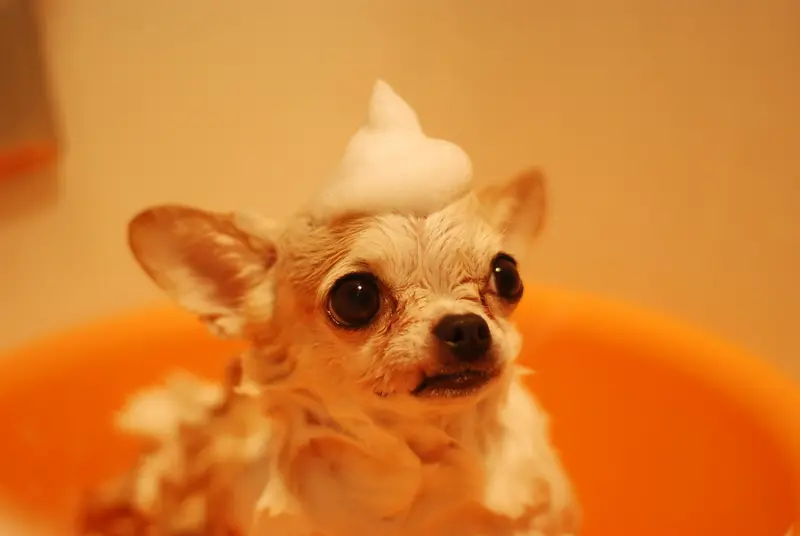
5. Sustainable Grooming Practices
Pet grooming can also be aligned with eco-conscious values:
- Use natural grooming products: Choose shampoos and conditioners made from organic, biodegradable ingredients.
- Reduce water usage: Bathe pets only when necessary to conserve water.
- Eco-friendly grooming tools: Opt for brushes and combs made from sustainable materials like bamboo.
6. Travel Light
If you travel with your pet, minimize their travel carbon footprint:
- Local adventures: Opt for local hikes, parks, or beaches instead of distant travel.
- Carpooling for vet visits: Share rides with other pet parents in your community to reduce emissions.
- Eco-friendly gear: Use travel accessories made from recycled or sustainable materials.
7. Support Green Pet Brands
Many brands are now prioritizing sustainability in their products and operations. Look for companies that are transparent about their environmental impact and support their efforts.
8. Spay and Neuter Your Pets
Overpopulation is a significant issue contributing to homelessness and resource strain in shelters. Spaying and neutering your pets is a responsible choice that benefits both the environment and the animal community.
9. Think Local
Support local pet businesses and farms for food, grooming, and other needs. This reduces the carbon footprint associated with shipping and supports your local economy.
Final Thoughts
Sustainable pet parenting is about making mindful choices that benefit the planet while ensuring your pet leads a happy and healthy life. By incorporating these eco-friendly practices, you’re contributing to a greener future and setting an example for others in the pet community.
Your furry friend might not realize the impact, but they’ll certainly appreciate the love and care you put into their eco-friendly lifestyle! Click here to read about creating a pet-friendly garden!