
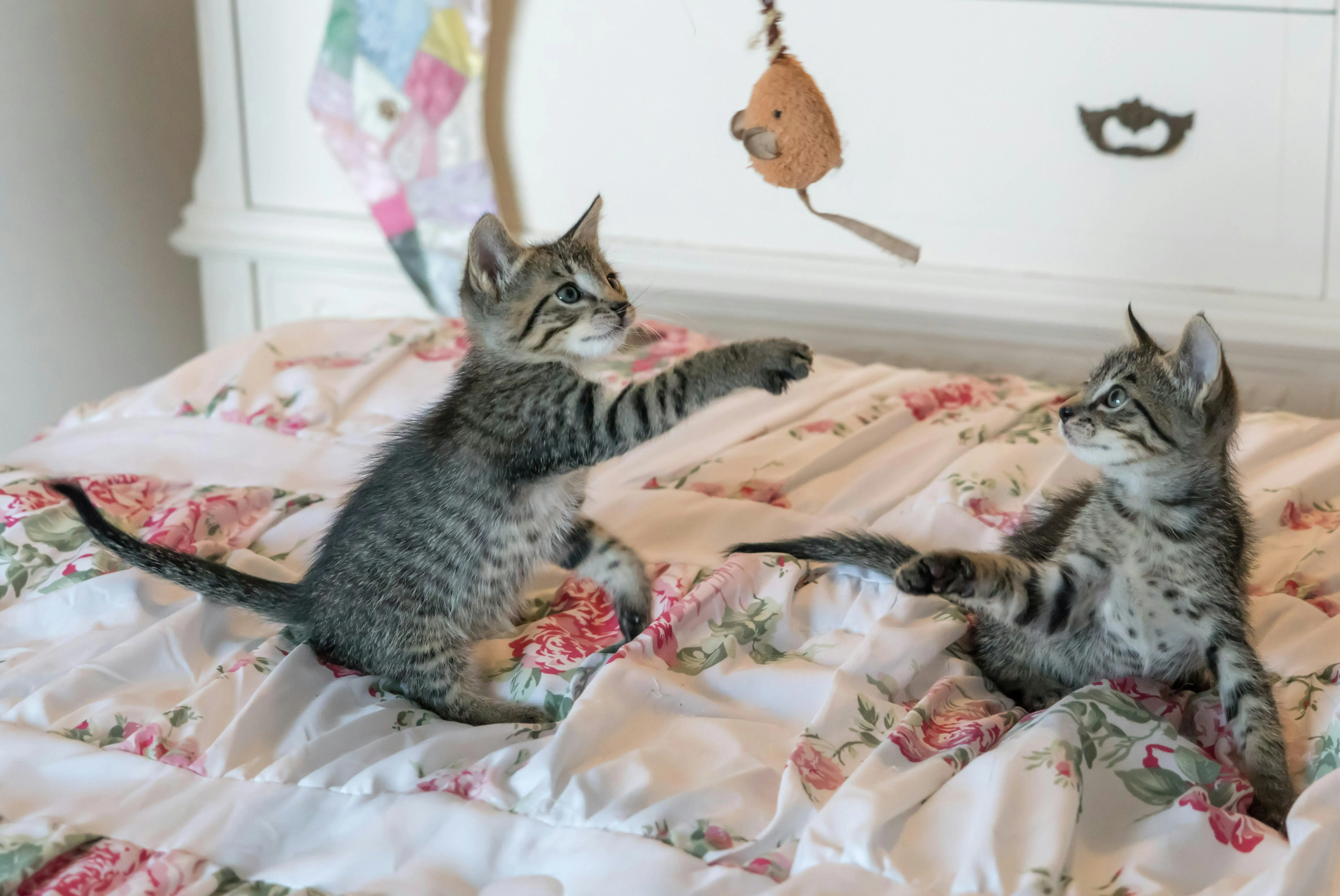
If you’re a cat owner, you know that some cats can be particularly adept at the art of laziness. While napping is natural and normal for felines, a completely sedentary lifestyle isn’t. Lack of exercise can lead to a variety of health problems for cats, including obesity, diabetes, and joint issues. But how do you encourage movement when your cat would rather lounge all day? Here are some strategies to inspire even the laziest of felines to get moving!
1. Create a Stimulating Environment
Cats are naturally curious and exploratory, so introducing new elements to their environment can encourage them to move around. Here are some simple tweaks to make:
- Add vertical space: Cats love climbing, so consider installing cat trees, shelves, or even a set of stairs. Vertical movement is great exercise, and many cats find climbing to be irresistible.
- Place toys in unexpected places: Place small toys on shelves, tables, or areas just out of reach. This encourages your cat to climb and jump, stimulating both their body and mind.
- Designate a ‘play zone’: If possible, create a dedicated space in your home with scratching posts, climbing areas, and hidden toys. Rotating new items in this space keeps it interesting.
2. Use Interactive Toys and Gadgets
Not all toys are created equal, especially when it comes to motivating a lazy cat. Interactive toys can add an extra layer of excitement by mimicking the unpredictability of prey. Here are some to try:
- Laser pointers: A classic! Cats love chasing that elusive red dot. Just be sure to end the game with a tangible toy so they feel a sense of “catching” their prey.
- Electronic moving toys: Some toys mimic the movements of small animals, skittering or wriggling when your cat touches them. These can be especially effective with cats who need a little extra encouragement.
- Treat-dispensing toys: For food-motivated cats, toys that require them to work for their treats can be highly motivating. These toys engage their natural hunting instincts and make mealtime or snack time more active.
3. Make Meal Time More Active
Cats are natural hunters, so making them “work” for their food can be a great way to boost activity. Here are a few ways to make meal time a mini workout:
- Use a puzzle feeder: Puzzle feeders are food dispensers that require cats to solve simple challenges to access their meal. This engages them mentally and physically.
- Scatter food around: Try hiding small amounts of food in different areas of a room or home. Your cat will have to roam around, tracking down each bite.
- Play before feeding: Engage your cat in a short play session before offering a meal. This encourages them to move and burn a few calories before they eat.
4. Set an Exercise Schedule
Consistency can help your cat build a healthy routine. Setting up regular playtimes each day creates an expectation of activity for your cat, helping them mentally prepare to engage. Here’s how:
- Morning and evening sessions: Cats are naturally most active during dawn and dusk, so try to schedule play sessions during these times. A 10-15 minute session of active play each morning and evening can make a significant difference.
- Use positive reinforcement: Reinforce your play routine with rewards. This could be a favorite treat, extra cuddles, or an immediate meal after playtime.
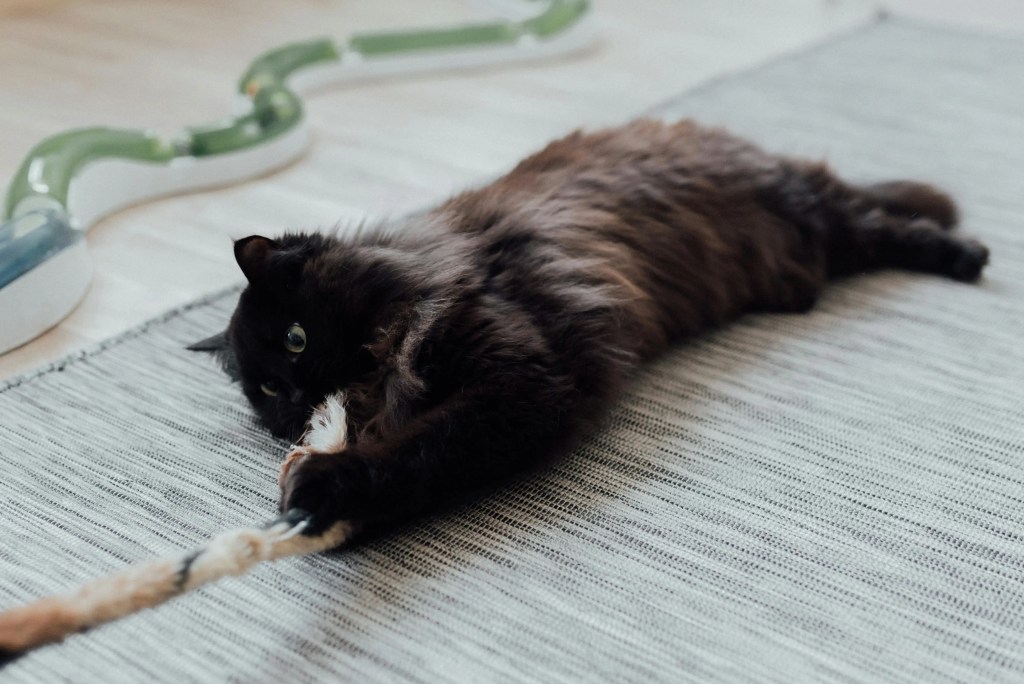
5. Incorporate Cardboard Boxes and Paper Bags
Sometimes, the simplest “toys” are the most effective! Cardboard boxes, crinkly paper, and paper bags provide hours of entertainment and exploration for most cats. Here’s how to use them effectively:
- Hide treats inside: Scatter a few treats inside a box or paper bag to encourage your cat to explore and move around.
- Build a “box maze”: Set up multiple boxes in a small maze arrangement. Cut holes in the sides of the boxes so your cat can travel between them, providing both physical and mental stimulation.
- Use different sizes and shapes: Changing up the type of box or bag you use can keep things fresh and interesting, prompting your cat to check them out.
6. Try “Cat TV” for Stimulation
“Cat TV” can be highly engaging for sedentary cats, and a little screen time can lead to physical activity:
- Videos with birds or small animals: There are many videos designed specifically for cats, featuring birds, squirrels, or fish. Place a screen where your cat can see it from a comfortable spot, and they may become motivated to pounce, paw, or jump.
- Laser pointer apps: Some cats are intrigued by tablet games designed for cats, where they can “chase” moving shapes on the screen.
7. Go for Walks on a Leash
If your cat is comfortable with it, try leash training for safe outdoor adventures. The sights, sounds, and smells outside can be very stimulating and provide excellent exercise. Here are some pointers:
- Start with a comfortable harness: Make sure it fits snugly but doesn’t restrict movement. Give your cat time to get used to wearing the harness indoors first.
- Practice in a safe space: Start in your backyard or a secure, quiet area before venturing farther.
- Go at your cat’s pace: Some cats take to walking quickly, while others may be cautious. Always prioritize your cat’s comfort and safety.
8. Don’t Underestimate the Power of Catnip
Catnip can be a powerful motivator for some cats, especially those who need a little extra nudge to play. You can incorporate catnip into their toys, sprinkle a little in their play area, or even get catnip-infused toys.
9. Know When to Give a Rest
Finally, remember that each cat has its unique personality and energy level. While some cats might quickly adapt to an active routine, others may still be more reserved. The key is to keep playtimes short, varied, and enjoyable. Avoid forcing your cat to engage, as this could lead to stress or resistance. Instead, find what works best and respect their limits.
Encouraging physical activity in lazy cats might seem challenging, but with patience, creativity, and a few new toys and techniques, you’ll be able to help your feline friend lead a more active, healthy life. By prioritizing their physical well-being, you’re also creating valuable bonding moments that will strengthen the connection you share with your cat. Happy playing! Click here to learn about common cat myths and misconceptions and click here to see what cat toys others find fun!