
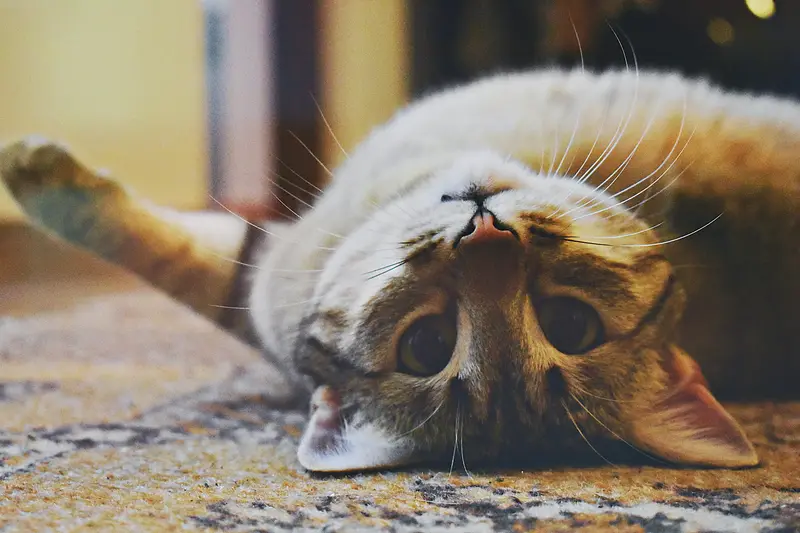
Cats are among the most popular pets in the world, yet they remain widely misunderstood. From their personalities to their care needs, cat misconceptions run rampant. These myths can prevent potential cat owners from adopting cats or lead to improper care.
Myth 1: Cats Are Aloof and Unfriendly
One of the most prevalent myths about cats is that they are distant and unaffectionate. While it’s true that cats can be more independent than dogs, many are affectionate and deeply bonded with their owners. Just like people, cats have different personalities—some are shy, while others are very social and outgoing.
Research has shown that cats can form strong bonds with their owners, similar to the attachment styles seen in human infants and dogs. They show affection in various ways, such as purring, kneading, slow blinks, following their owners around, or offering “head butts.” These are all signs of trust and love.
If your cat seems distant, it may just be their personality, or they might need more time to feel comfortable. Patience and gentle attention can go a long way in building a strong relationship with your feline friend.
Myth 2: Cats Don’t Need to Be Played With
Another common myth is that cats are perfectly fine lounging around all day without much interaction. While cats are known for their independence, they still need mental and physical stimulation. Without enough activity, they can become bored, stressed, and even develop behavioral problems.
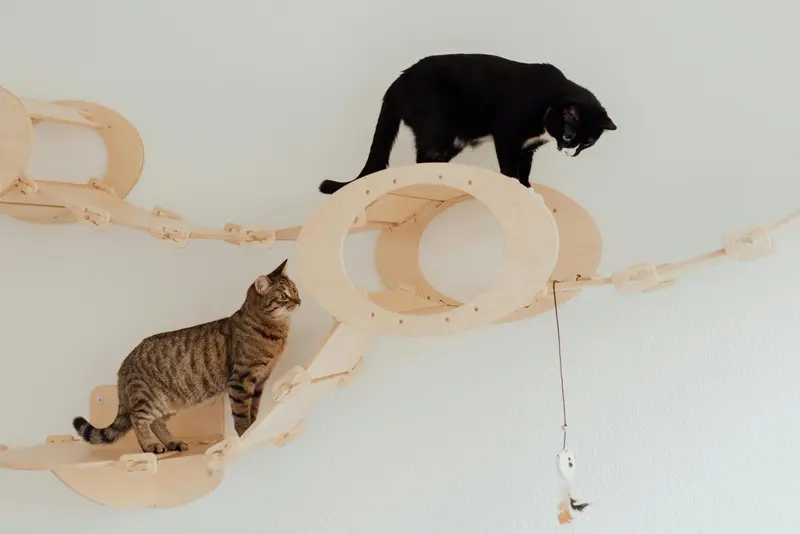
Interactive play is essential for your cat’s health and well-being. Play helps mimic their natural hunting instincts, giving them an outlet for their energy. Toys like laser pointers, feather wands, and puzzle feeders engage your cat’s mind and body, reducing the risk of obesity and related health issues.
Making regular play sessions with your cat can improve their mood and strengthen your bond. Even just 10 to 15 minutes of active play each day can make a huge difference.
Myth 3: Cats Always Land on Their Feet
This myth is so widely believed to the point that many people think cats are immune to injury from falls. While it’s true that cats have a natural righting reflex that allows them to twist mid-air and land on their feet most of the time, this doesn’t mean they are invulnerable.
Cats can and do suffer injuries from falls, especially from great heights, such as balconies or windows. Falls from significant heights are known as “high-rise syndrome” and can lead to broken bones, internal injuries, or worse.
It’s important your home is safe for your cat, especially if you live in an apartment or have large windows. Installing screens or keeping windows closed when your cat is nearby can help prevent dangerous accidents.
Myth 4: Cats Are Independent and Don’t Form Attachments
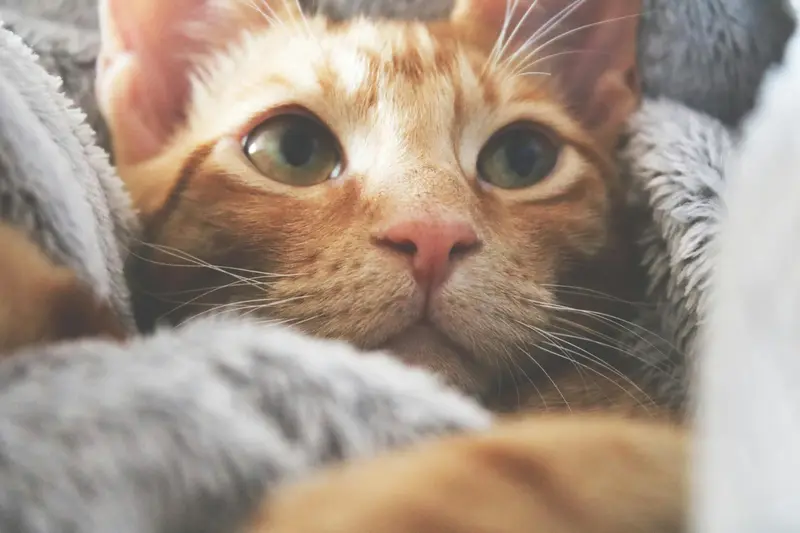
The idea that cats are solitary and indifferent to their owners is another one of many cat misconceptions. Contrary to popular belief, cats can form deep emotional bonds with their humans, just as dogs do. In fact, many cats follow their owners from room to room, greet them at the door, and seek physical contact such as sitting on laps or snuggling beside them in bed.
Studies have shown that cats can experience separation anxiety and become stressed when their routines or environments change significantly. Cats are creatures of habit and disruptions can affect their emotional well-being. Creating a stable, predictable environment for your feline companion can foster a stronger bond and reduce anxiety.
Myth 5: Cats Are Low-Maintenance Pets
While cats are generally more independent than dogs, this doesn’t mean they are low maintenance. Cats require regular care, including proper nutrition, routine veterinary visits, and mental stimulation. They also need to be groomed, especially long-haired breeds, to prevent matting and hairballs.
Cats also benefit from environmental enrichment. This can include scratching posts, window perches, and climbing trees to keep them physically active and mentally engaged. Without these, cats may develop destructive behaviors like scratching furniture or overeating.
Conclusion
Cats are wonderful companions, but to truly appreciate them, it’s essential to understand their needs and behaviors. By debunking these common cat misconceptions, we hope to encourage better care for cats and help owners build stronger, healthier relationships with their pets. Every cat has its unique personality and needs, and learning how to meet those needs will ensure that your feline friend lives a long, happy life.
Further information
Environmental Enrichment for Cats | ASPCA Pet Health Insurance (aspcapetinsurance.com)
Journal of the American Veterinary Medical Association 1987-12-01: Vol 191 Iss 11 (umd.edu)
AAFP and ISFM Feline Environmental Needs Guidelines (sagepub.com)