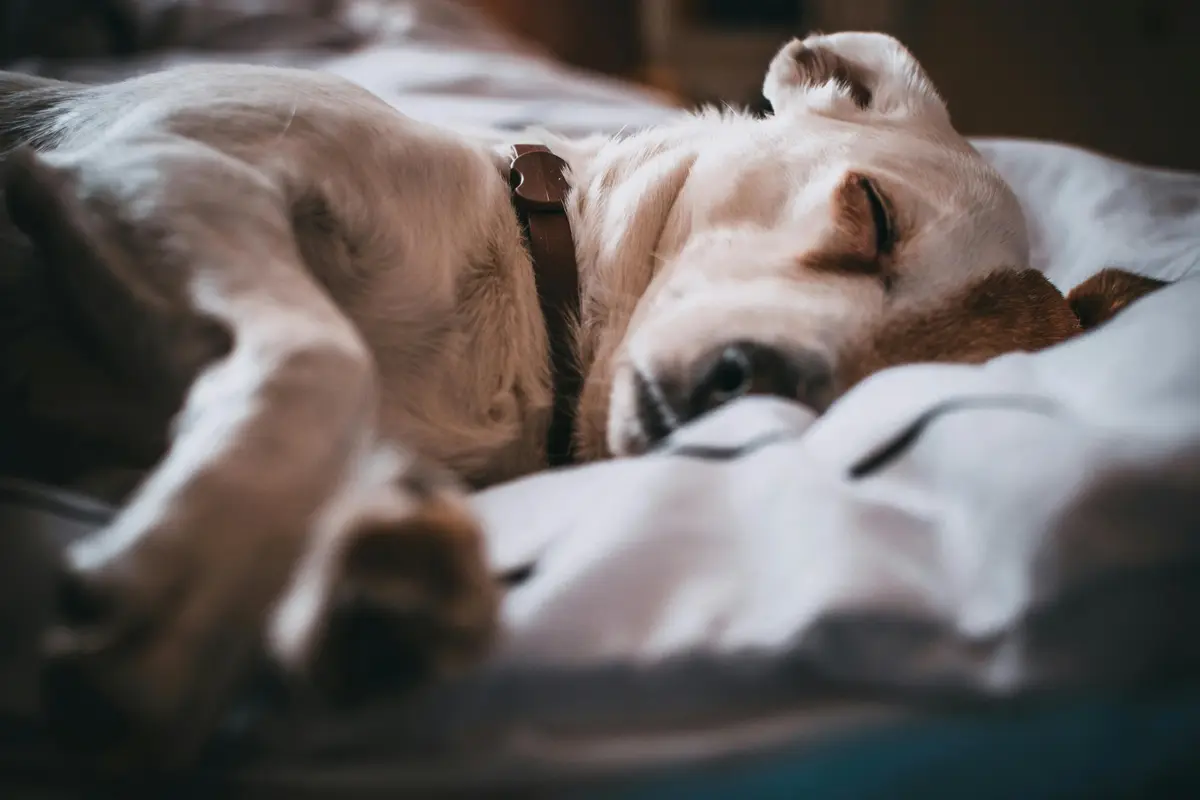

Sleep plays a critical role in your pet’s overall health, just as it does in humans. But unlike us, pets can’t tell us when they’re feeling sleep-deprived or fatigued. That’s why understanding your pet’s sleep patterns, energy levels, and sleep schedule is essential for ensuring they get the rest they need.
In this post, we’ll explore how to recognize signs of sleep deprivation, how much sleep dogs and cats really need, and how to create a healthy sleep routine. We’ll also cover the impact of sleep on immune systems, identify common sleep disorders, and provide tips for creating the perfect comfortable bed environment, especially for senior dogs.
How Much Sleep is enough sleep?
- Adult dogs typically need 12–14 hours of sleep per day.
- Puppies and senior dogs may need 16–20 hours.
- Cats are champion sleepers, often logging 13–16 hours a day, sometimes up to 20.
If your pet isn’t sleeping this much on average, or sleeps too much, it could indicate health issues, excess energy, or deeper sleep disorders.
Signs Your Pet Isn’t Getting Enough Sleep
1. Changes in sleep patterns
One of the first signs of trouble is a shift in your pet’s normal sleep patterns. If they’re waking frequently at night, pacing, or struggling to settle down, it may signal sleep deprivation or discomfort.
2. Behavioral issues and irritability
Lack of sleep can cause pets to become anxious, aggressive, or overly clingy. Just like humans, pets need rest to regulate their mood and cognitive function.
3. Fluctuations in energy levels
A dog that suddenly seems hyperactive or unusually lethargic could be suffering from sleep disorders or simply not getting restorative rest. Excess energy often results from poor sleep.
4. Weakened immune systems
Chronic sleep deprivation can weaken your pet’s immune system, making them more prone to infections, allergies, and health issues. If your pet gets sick frequently, poor sleep might be a contributing factor.
Why a Comfortable Bed Matters for enough sleep
Your pet’s dog bed or sleeping area plays a vital role in their rest quality. Ensure they have:
- A comfortable bed appropriate for their size and age
- Orthopedic support for senior dogs
- Quiet, temperature-controlled surroundings
- A designated sleep routine area, separate from high-traffic zones
Investing in a high-quality dog bed is one of the easiest ways to improve sleep quality. Look for memory foam, washable covers, and anti-slip bottoms.
Sleeping Positions and What They Mean
The way your pet sleeps can offer insight into their energy levels, comfort, and emotional state:
- Curled up: A common position that conserves warmth also indicates alertness.
- On their side: Reflects deep relaxation and trust in their environment.
- Sprawled on their back: Total comfort; they feel safe and secure.
- Constant shifting or restlessness: Possible sleep apnea, joint pain, or discomfort.
Take note if your pet is consistently uncomfortable or avoiding their bed; it may be time for a new one or a vet checkup.
Health Issues That Impact Sleep
Certain health issues may disrupt your pet’s sleep schedule or prevent them from falling into deep sleep:
- Arthritis or chronic pain
- Sleep apnea or noisy breathing
- Skin conditions that cause itching
- Gastrointestinal issues that cause nighttime discomfort
- Neurological disorders
If sleep problems are persistent, consult your vet. Diagnostic tests may reveal underlying conditions affecting your pet’s rest.
Establishing a Healthy Sleep Routine
1. Sticking to a regular sleep schedule
Just like humans, pets benefit from a regular sleep schedule. Feed, walk, and play with your pet at the same times daily to reinforce natural rhythms.
2. Take a long walk before bed
A long walk in the evening is a great way to burn off excess energy, especially for high-energy breeds. It promotes relaxation and readiness for sleep.
3. Minimize stimulation at night
Turn off TVs, reduce lighting, and create a calm space before bedtime. Loud noises or late-night play can disrupt natural sleep patterns.
Mental Stimulation During the Day
A tired mind sleeps well. Offer toys, training sessions, and puzzles during the day to keep your pet’s brain engaged. Mental fatigue is as effective as physical exercise for helping pets wind down at night.
When to See a Veterinarian
If your pet exhibits these symptoms, consult a vet for further evaluation:
- Loud snoring or choking (signs of sleep apnea)
- Night waking or pacing
- Lethargy despite adequate rest
- Anxiety or behavioral regressions
- Changes in appetite or bathroom habits
A veterinarian can assess for sleep disorders and suggest treatment plans or lifestyle changes tailored to your pet’s needs.
Tips for getting enough sleep
| Tip | Description |
|---|---|
| Upgrade the Bed | Choose a high-quality dog bed with orthopedic support. |
| Keep a Consistent Routine | Regular meals and walks encourage healthy sleep patterns. |
| Provide a Safe Sleep Environment | Quiet, dark, and draft-free zones work best. |
| Daily Exercise | Help reduce excess energy before bedtime. |
| Nighttime Bathroom Breaks | Especially for puppies or senior dogs. |
Conclusion: Prioritize Your Pet’s Sleep for Better Health
Knowing whether your pet is getting enough sleep comes down to observation, routine, and responsiveness. From identifying sleep deprivation to upgrading your pet’s comfortable bed, your attention can prevent both behavioral and health issues before they become serious.
Just like in humans, healthy sleep supports strong immune systems, balanced moods, and a better quality of life. With a little effort, you can ensure your furry companion sleeps soundly and happily every night.