As a pet owner, keeping your furry companion safe goes far beyond daily walks, feeding schedules, and playtime. Many household hazards lurk in plain sight. Items that seem harmless to humans but pose serious risks to dogs and cats. From everyday foods to cleaning products and decorative plants and flowers, the home environment can unintentionally threaten your pet’s health.
This guide will highlight some of the most common, and surprisingly dangerous, household items, explaining why they’re harmful and how to keep your pets safe.
1. household Cleaning Products and Chemicals
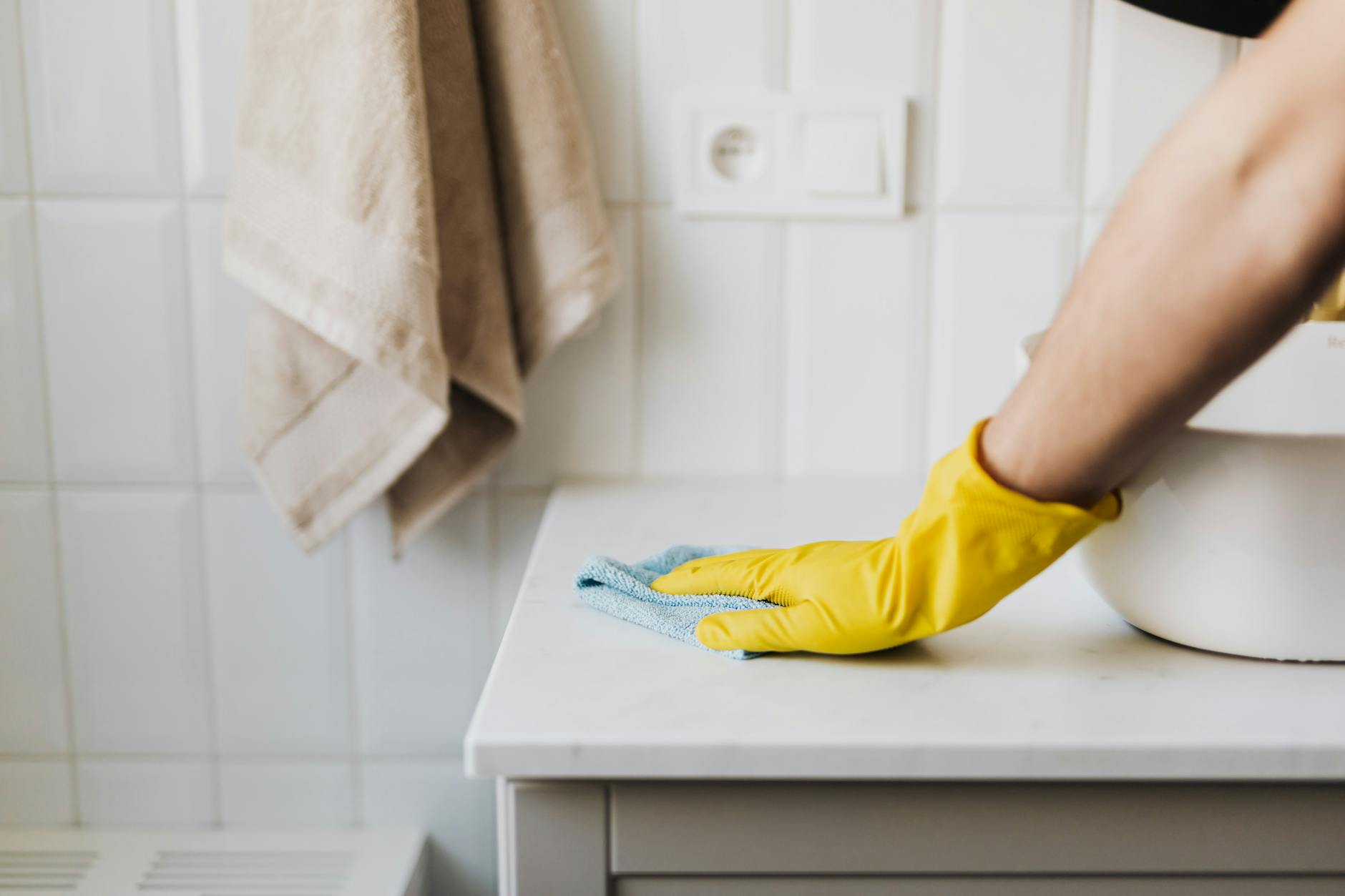
Many common cleaning products contain chemicals that can burn the mouth, irritate the skin, or damage the digestive tract if ingested. Bleach, ammonia, and phenol-based cleaners are particularly toxic to pets. Even “green” or natural cleaners can contain essential oils like tea tree or eucalyptus, which can be harmful to cats and dogs.
Pet Safety Tip: Always store cleaning products securely and rinse floors or surfaces thoroughly before allowing your pet to walk across them.
2. Grapes and Raisins
Though a popular snack for humans, grapes and raisins are toxic to dogs and cats. Even small amounts can cause vomiting, diarrhea, and potentially life-threatening kidney failure. Because sensitivity varies from pet to pet, there is no “safe” serving size.
Pet Safety Tip: Keep all dried fruits, trail mixes, and baked goods containing raisins well out of your pet’s reach.
3. Macadamia Nuts
Macadamia nuts are another surprising toxin. They can cause weakness, tremors, and hyperthermia in dogs within 12 hours of ingestion. Although the exact compound responsible is unknown, their effects on a dog’s nervous system are well documented.
Pet Safety Tip: Avoid sharing cookies, cakes, or nut mixes containing macadamias with your pet.
4. Bread Dough
Unbaked bread dough can be extremely dangerous if swallowed. The yeast ferments in a pet’s warm stomach, releasing ethanol that leads to alcohol poisoning while the dough expands, stretching the stomach. This combination can be fatal if not treated quickly.
Pet Safety Tip: Never leave rising dough unattended on countertops or in accessible ovens.
5. household decor: Toxic Plants and Flowers
Many plants and flowers brighten homes but pose risks to curious pets. Lilies, azaleas, tulips, and sago palms are especially dangerous. Lilies can cause acute kidney failure in cats, while sago palms are linked to severe liver damage in dogs.
Pet Safety Tip: Research pet-safe plants before bringing them home, and remove or elevate toxic varieties.
6. Tobacco Products and Nicotine
Tobacco products such as cigarettes, vapes, and nicotine gum are toxic to both cats and dogs. Ingesting even small amounts can result in vomiting, drooling, tremors, and in severe cases, death.
Pet Safety Tip: Keep all nicotine products, including ashtrays, out of reach and dispose of cigarette butts immediately.
7. Rodent Poisons and Pesticides
Rodent poisons are designed to kill rodents, but they are just as deadly to pets. Anticoagulant rodenticides cause internal bleeding, while bromethalin poisons lead to seizures and brain swelling. Secondary poisoning can also occur if your pet eats a poisoned rodent.
Pet Safety Tip: Use pet-safe traps or consult pest control specialists about safer alternatives.
8. Sugar Alcohols like Xylitol
Found in sugar-free gum, candies, peanut butter, and baked goods, the sugar alcohol xylitol is extremely toxic to dogs. It causes a rapid release of insulin, leading to hypoglycemia (dangerously low blood sugar) and liver failure.
Pet Safety Tip: Always read labels before offering human food or treats to your pet.
9. Fatty Foods and Table Scraps
While it’s tempting to share leftovers, fatty foods like bacon, fried chicken, and buttery snacks can inflame a pet’s pancreas, leading to painful and sometimes life-threatening pancreatitis. Even one indulgent meal can trigger a medical emergency.
Pet Safety Tip: Stick to a balanced diet formulated for pets and avoid feeding table scraps.
10. Fruit Pits and Coffee Beans
Fruit pits, including those from peaches, cherries, and plums, can block the digestive tract or release cyanide when chewed. Similarly, coffee beans and grounds contain caffeine, which is highly toxic to pets. Symptoms include hyperactivity, tremors, rapid heartbeat, and seizures.
Pet Safety Tip: Dispose of fruit pits carefully, and keep coffee containers sealed.
Recognizing the Signs of household Poisoning
If your pet ingests any of these household hazards, you may notice:
- Vomiting or diarrhea
- Excessive drooling
- Tremors or seizures
- Lethargy or collapse
- Changes in appetite or thirst
Seek veterinary care immediately if you suspect poisoning. Early treatment can save your pet’s life.
conclusion: the danger of household items
Being a responsible pet owner means more than love and companionship; it also requires vigilance against household hazards. Everyday items like grapes and raisins, macadamia nuts, bread dough, cleaning products, tobacco products, and even decorative plants and flowers can spell danger for your furry family members.
By recognizing these risks, securing dangerous items, and relying on pet-safe alternatives, you’ll protect your companion from harm and support their long-term health. After all, preventing exposure to toxins is just as important to animal welfare as regular vet visits or healthy meals.