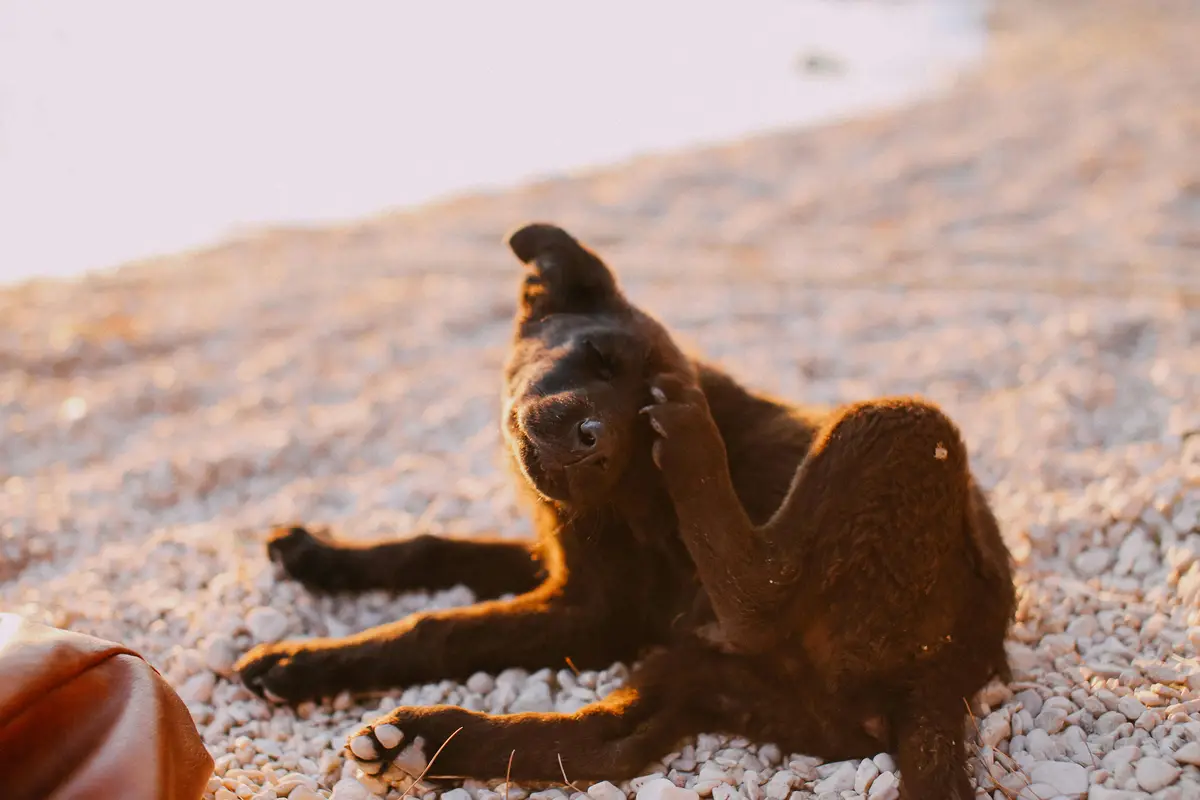

Did you recently adopt a new critter and want to ensure your garden is safe for the new member of the family? Or perhaps you have had pets for a while and want to start gardening, but don’t know how to make sure your pets will be safe?
Some common garden plants or favorite companion plants may be incredibly dangerous for your dog or cat. To ensure the safety of your beloved pets, it is crucial to familiarize yourself with the plants that can be harmful to them, and what measures you can take to make your garden safe for your pet—or perhaps protect your garden from your pet.
Why is pet-safe gardening important?
A pet-safe garden is crucial because it provides a secure and healthy environment for pets to explore, exercise, and enjoy. It ensures pets are free from harmful plants and chemicals, giving owners peace of mind and reducing the risk of accidents or health issues. When safe outdoor spaces like these are established, everyone can have fun without worry.

Pet-Safe Plants
Certain edible plants and flowers are non-toxic to pets, providing them with nutritional benefits and sensory enrichment, making them safe and enjoyable additions to your pet-safe garden.
Non-Toxic Flowers*:
- Dahlias: Dahlias are safe for pets, adding beauty to your garden without posing a risk. Their vibrant colors can stimulate your pet’s senses.
- Jasmine: Jasmine is safe and adds a pleasant fragrance to the garden, enhancing sensory experiences for pets.
- Marigolds: These vibrant flowers are safe and can help repel insects naturally, which can protect pets from bites.
- Roses: Roses are non-toxic and their petals can even be a safe occasional treat. Be wary of their thorns, though—they can cause some injuries.
- Snapdragons: Safe for pets, snapdragons add color without risk of toxicity.
- Sunflowers: These cheerful flowers are safe and can provide seeds that, in moderation, are a healthy snack for some pets.
- Zinnias: These colorful flowers are safe for pets and can brighten your garden without any risk.
Non-Toxic Edible Plants*:
- Basil: Contains antioxidants and can aid in digestion.
- Carrots: Good for dental health and a low-calorie treat rich in vitamins.
- Cilantro: Can aid digestion and provide vitamins.
- Fennel: Good for digestion and freshens breath.
- Leafy greens: Provide essential nutrients and fiber.
- Raspberries: High in antioxidants and vitamins.
- Thyme: Has antibacterial properties and can aid digestion.
- Zucchini: Low in calories and high in vitamins.
*Note: Consumption in large amounts can lead to digestive problems or stomach issues.
Non-Pet-Safe Plants
Some garden plants can be highly detrimental to pets, causing severe health issues such as vomiting, diarrhea, neurological problems, and even life-threatening conditions upon ingestion.
- Aloe: These tubular flowers contain saponins and anthraquinones, which can cause vomiting, diarrhea, lethargy, and tremors in pets.
- Avocados: While harmless to us, avocados contain persin, which can cause vomiting, diarrhea, and heart congestion in pets.
- Azaleas: This poisonous plant, when ingested, can lead to vomiting, diarrhea, drooling, and even severe cardiovascular issues (including cardiac failure in pets).
- Daffodils: While seemingly harmless, ingestion can cause severe vomiting, diarrhea, and abdominal pain.
- Lilies: Though pretty, lilies are extremely toxic, causing kidney failure in cats even in small amounts.
- Nuts: Many nuts, like macadamias, are toxic, causing symptoms from vomiting to neurological issues.
- Oleander: This plant is extremely toxic, causing severe gastrointestinal, cardiovascular, and central nervous system issues.
- Tomatoes: Unripe parts contain solanine and tomatine, which are toxic and can cause gastrointestinal distress.
- Tulips: The bulbs are especially toxic, causing significant digestive upset and other severe symptoms.
Pet-Friendly Features
If you intend for your pet to spend time in your garden with you, make sure to have some pet-friendly features to keep your pet comfortable.
- Soft Landscaping: Use mulch, grass, and other soft materials to create pathways that are gentle on paws.
- Shade and Shelter: Provide shaded areas where pets can rest and cool down—like trees, shrubs, or pet-friendly shelters.
Safety Measures
Here are some safety measures that are essential in ensuring your pet’s safety when in the garden.
- Avoid Harmful Chemicals: Use pet-safe fertilizers, pesticides, and herbicides. Avoid products containing ingredients like cocoa mulch, which is toxic to pets.
- Secure Fencing: Install secure fencing to prevent pets from wandering off and to keep them safe from external dangers.
- Barrier Protection: Use barriers to protect delicate plants and areas you don’t want pets to access. Chicken wire or decorative fencing can help keep pets away from certain areas.
Harmful elements to avoid
It’s inevitable to miss some details when planning a project as big as this. Here are some easily overlooked elements you should take care to avoid.
- Certain Mulches: Cocoa mulch contains theobromine, which is toxic to dogs. Stick to safer options like cedar or pine mulch.
- Sharp Objects: Remove any sharp tools, wires, or objects that could injure pets.
- Standing Water: Avoid leaving standing water in pots or garden decor to prevent mosquito breeding and reduce the risk of pets drinking contaminated water.
Protecting your garden from your pets
While being able to have pets in your garden is amazing, protecting your garden from pets is essential to prevent damage to plants, maintain a clean environment, and ensure the safety and well-being of both your garden and your pets. Here are a few ways you can accomplish that.
- Train Your Pets: Train your pets to respect garden boundaries. Positive reinforcement techniques can help.
- Use Raised Beds: Raised garden beds can protect plants from being trampled or dug up by pets.
- Protective Barriers: Use barriers or netting to protect delicate plants and prevent pets from accessing certain areas.
Conclusion
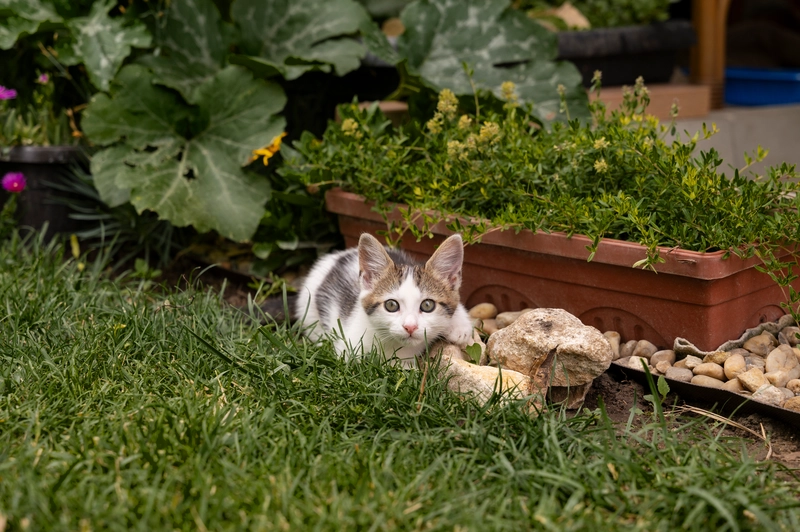
In conclusion, creating a cat-friendly or dog-friendly garden requires a few key measures. By choosing soft landscaping materials and providing shade and shelter, you can create a comfortable environment for your pets. Avoiding harmful chemicals, securing fencing, and using barriers are important safety measures.
Additionally, being aware of the harmful elements to avoid, such as certain chemical products, mulches, sharp objects, and standing water, can prevent potential hazards. Training your pets, using raised beds, and employing protective barriers can help protect your garden from any unwanted digging or trampling. By following these guidelines, you can ensure a safe and enjoyable outdoor space for both you and your furry companions.
further information
https://www.epicgardening.com/pet-safe-garden
https://www.rover.com/blog/10-safe-plants-dogs-can-add-almost-garden-right-now
https://www.lovethegarden.com/uk-en/article/12-fruits-and-vegetables-are-toxic-dogs
https://www.aspca.org/pet-care/animal-poison-control/toxic-and-non-toxic-plants
https://www.akc.org/expert-advice/nutrition/how-to-plant-a-dog-friendly-garden
https://www.gardeningknowhow.com/special/spaces/cat-friendly-garden.htm