

When we think about caring for our pets, we often focus on physical stimulation and health, such as daily walks, feeding schedules, and grooming routines. But there’s another crucial part of pet wellness that often gets overlooked: mental stimulation. Just like humans, animals need challenges to keep their minds sharp and engaged. Left unstimulated, pets—especially dogs and cats—can grow bored. And boredom in pets isn’t just a minor inconvenience. It can lead to a wide range of behavioral problems and destructive behaviors, from chewing furniture to excessive barking, anxiety, or even aggression. One of the simplest and most effective ways to help your pet stay mentally active is through puzzle toys.
what are puzzle toys?
Puzzle toys are interactive tools designed to engage your pet’s brain and encourage natural behaviors. They come in many forms—treat-dispensing balls, sliding compartments, toys with hidden squeakers or textures, and even electronic gadgets that respond to touch or movement. Some are simple and can be figured out in minutes, while others offer layers of difficulty that keep pets guessing.
The goal is simple: make your pet work a little harder to get a reward, whether that’s food, a toy, or even your attention.
why puzzle toys matter
Puzzle toys play a significant role in keeping pets mentally stimulated, especially when physical stimulation and exercise are limited, such as during bad weather. Without sufficient mental engagement, dogs may become restless and display unwanted and destructive behaviors like excessive chewing or pawing at furniture. Introducing interactive toys, such as treat mazes, can provide focused mental activity and help promote a calmer, more contented demeanor.
For cats, the benefits are just as important. Many indoor cats lack the hunting opportunities their instincts crave. Puzzle feeders simulate the challenge of hunting by making them “work” for their meals, which not only enriches their daily routine but also helps prevent overeating and weight gain for these curious creatures.
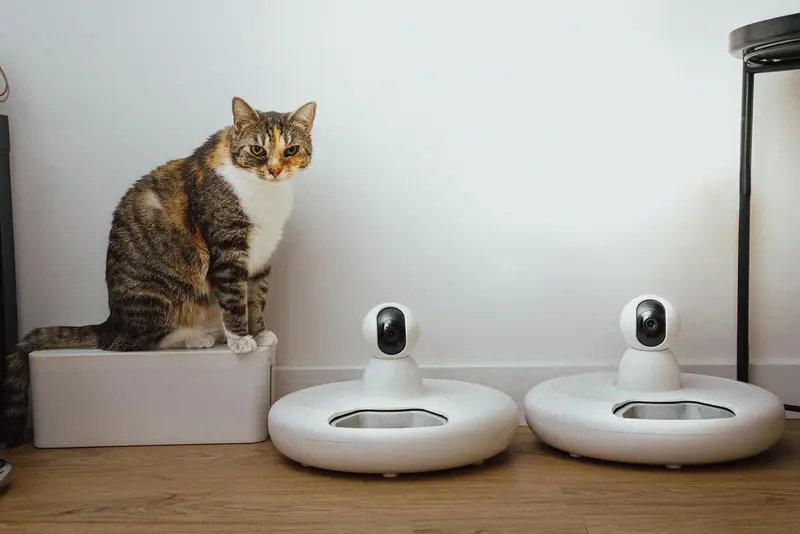
mental exercise is just as important as physical
Think about how tired you feel after solving a tough problem or focusing on a mentally demanding task. The same applies to pets. Mental fatigue can be just as satisfying—and tiring—as physical activity. A mentally engaged pet is generally more content and less likely to get into trouble.
tips for choosing the right puzzle toy
- Start simple: If your pet is new to puzzle toys, don’t jump into the most advanced options. Begin with a basic design to build their confidence.
- Consider your pet’s personality: Some animals love food, while others are more toy-motivated. Choose puzzles that match what excites your pet most.
- Rotate regularly: Just like people get bored doing the same crossword every day, pets can lose interest in the same puzzle. Keep things fresh by swapping toys every few days.
- Supervise at first: Until you’re sure your pet can use the toy safely, it’s a good idea to supervise and offer encouragement.
conclusion
Incorporating puzzle toys into your pet’s routine isn’t just about entertainment. It’s about giving them a richer, more fulfilling life. It can reduce stress, ease loneliness, and even slow cognitive decline in aging pets. And best of all, it helps deepen the bond between you and your furry friend.
A few minutes a day is all it takes to make a big difference. So next time you want to toss your pet the same old squeaky toy, try giving them a challenge instead. You might be surprised by how smart they really are.
Further information
https://www.freshpet.com/blog/how-to-keep-pet-mentally-stimulated
https://updogshop.com/blogs/news/how-dog-puzzle-toys-prevent-boredom
https://thedogmarket.ca/blog/the-benefits-of-puzzle-toys-for-dogs/