
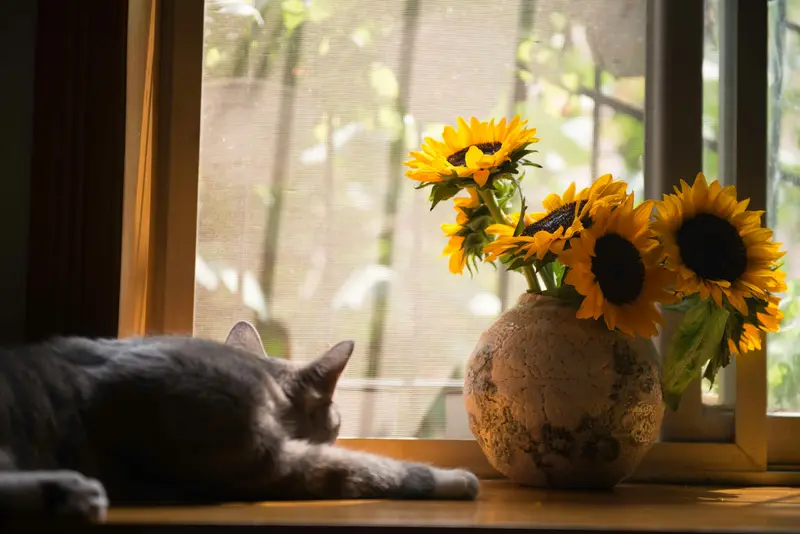
Have you ever noticed your cat perched like royalty on the windowsill or your dog standing guard at the front window for hours? Pets seem to have a natural fascination with windows, and it is not just because they like the view. There are several reasons why our furry friends are drawn to these spots, and many of them have roots in instinct, biology, and plain old enjoyment.
a front-row seat to the world
For pets, a window is like a living television screen that never runs out of channels. Birds swoop past, squirrels dart across branches, and people stroll by with their own dogs. This constant flow of activity keeps pets mentally stimulated. Cats in particular benefit from watching the outside world, as indoor cats can easily become bored.
Research has shown that environmental enrichment, such as providing visual stimulation, can significantly reduce stress and unwanted behaviors in cats (Ellis, 2009). Even dogs, who are often more focused on scents than sights, enjoy seeing what is happening beyond their home. It is their way of keeping tabs on the world outside.
natural light and warmth
Another major draw is the sunlight streaming through the glass. Many pets gravitate to sunny spots to nap, and windows are often perfect for this. Beyond comfort, sunlight helps regulate their natural rhythms. Exposure to natural light supports melatonin production, which plays a role in sleep cycles and overall health (Brainard et al., 2001). For older pets, warm sunbeams can also soothe achy joints, which is why you may find your senior cat or dog seeking out that sunny patch every morning.
scents and sounds of the outdoors
While windows are primarily visual access points for us, for pets they are also portals for smell and sound. Dogs, with their powerful noses, can detect subtle scents drifting through small gaps. A breeze carrying the smell of grass, other animals, or even food can make window-watching a full sensory experience. Cats, though less focused on scent, often swivel their ears toward rustling leaves or distant birdsong. These outside cues help break up the monotony of indoor life, especially if their owners are away at work during the day.

fulfilling curiosity in a safe way
Animals are naturally curious creatures. Cats have a hunting instinct that pushes them to stalk and observe, while dogs have a guarding instinct that makes them want to monitor their territory. A window provides a safe outlet for these instincts. Watching a bird through glass allows a cat to “hunt” without harm, and observing passersby lets a dog feel like they are protecting their home. If you have ever heard your cat chatter at birds or seen your dog’s tail wag as a neighbor walks by, you have witnessed this instinct in action.
helping your pet enjoy window time safely
As veterinarians often recommend, providing safe and enriching environments indoors is key to keeping pets healthy. If your pet loves a particular window, make it even more inviting. Place a soft bed, perch, or blanket near it so they can lounge comfortably. For cats, consider adding a bird feeder outside a secure window to provide hours of entertainment. For dogs, make sure the area is free of hazards like cords or unstable furniture they might jump onto. Always ensure windows and screens are strong and secure, particularly in upper floors, to prevent accidents.
why it matters
Window-watching might seem like a small thing, but it plays a big role in your pet’s happiness. It keeps them mentally active, connected to the outside world, and can even reduce anxiety. The next time you see your furry friend gazing out the window, remember they are not just passing time. They are exploring, relaxing, and staying in tune with their environment in a way that benefits their overall well-being.
further information
Environmental enrichment: practical strategies for improving feline welfare – PubMed
Why Cats Love Windows — And How to Build the Perfect View Spot – felinefam.com