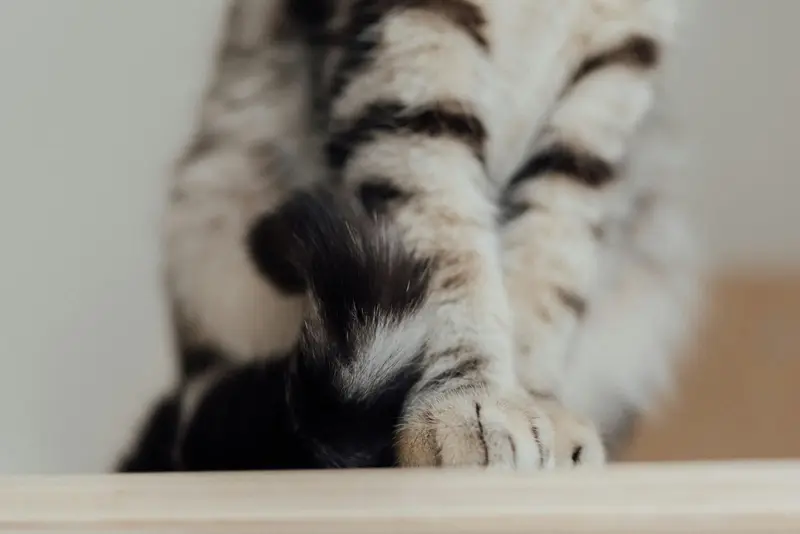
If you’ve ever watched a cat rhythmically push their paws into a soft blanket, your lap, or even another pet, you’ve probably wondered: What on earth are they doing? This curious behavior—known affectionately as “making biscuits”—is one of the more endearing (and sometimes painful!) quirks that cat owners encounter. But what’s behind it? Is it just a cute feline habit, or is there a deeper reason cats are kneading?
Let’s unpack the science and instinct behind this mysterious motion.
a comforting habit from kittenhood
Kneading starts at birth. This instinctual behavior begins with newborn kittens kneading their mother’s belly while nursing, which helps stimulate milk flow. This connection between kneading and nourishment creates a deep sense of comfort that lingers into adulthood. Even though grown cats no longer nurse, many still associate the motion with feelings of safety and warmth, like a fuzzy security blanket.
So when your cat climbs into your lap, purrs, and starts kneading away, it’s not just random. In many cases, this natural behavior is a sign that they see you as a source of comfort and security. (Yes, that means your feline friend is basically saying they love you. Take the compliment, even if it comes with claws.)
scent marking in disguise
Cats are territorial creatures, and they’re constantly marking the things (and people) they claim as theirs. Their paw pads contain scent glands, so when they knead, they’re actually leaving behind subtle scent markers. You may not notice it, but to another cat, that cushion or your hoodie now clearly belongs to someone else.
stretching and stress relief
Kneading can also be physically satisfying for cats. It helps them stretch their paws and legs after a nap, much like how we might stretch our arms or crack our knuckles. The repetitive motion can also act as a form of self-soothing, especially in anxious cats. Much like how humans might fidget or hum when stressed, cats may knead to calm themselves down or to wind down after a burst of energy.
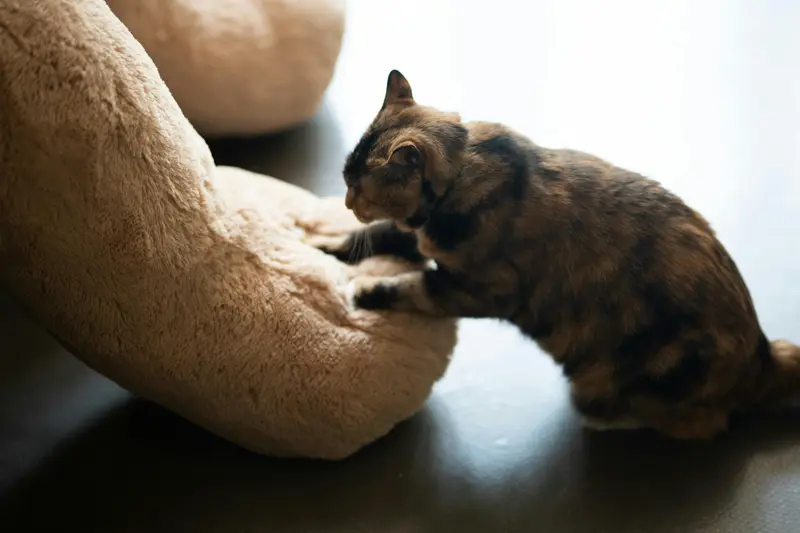
nesting behavior from wild ancestors
Before cats moved into our homes (and onto our beds), their ancestors lived in the wild, where they had to create safe sleeping spots. Kneading grass or leaves into a soft surface helped wild cats make cozy nests to rest in. Some scientists believe this nesting instinct still lingers in domestic cats today. So if your cat kneads a blanket before curling up, it might just be their way of “fluffing” the perfect bed.
when kneading becomes excessive
While this common behavior is usually harmless—and often adorable—some cats can take it to an extreme. If your cat is kneading excessively, especially alongside signs of stress like hiding or over-grooming, it could be a coping mechanism for anxiety. In such cases, offering more mental stimulation or speaking with a vet might help address underlying issues.
conclusion
Kneading is one of those little feline mysteries that brings us closer to understanding our cats. It’s equal parts instinct, communication, and comfort—all wrapped into a single, dough-making gesture. Whether they’re claiming territory, remembering their kitten days, or just getting cozy, cats knead for good reason.
So next time your cat jumps into your lap and starts “baking,” smile—and maybe throw a cosy blanket over your legs. Science says it’s a compliment… even if it comes with claws.
further information
https://nexgard.com.au/pet-care/cat-care/why-do-cats-knead
https://www.purina.co.uk/articles/cats/behaviour/understanding-cats/why-do-cats-knead