
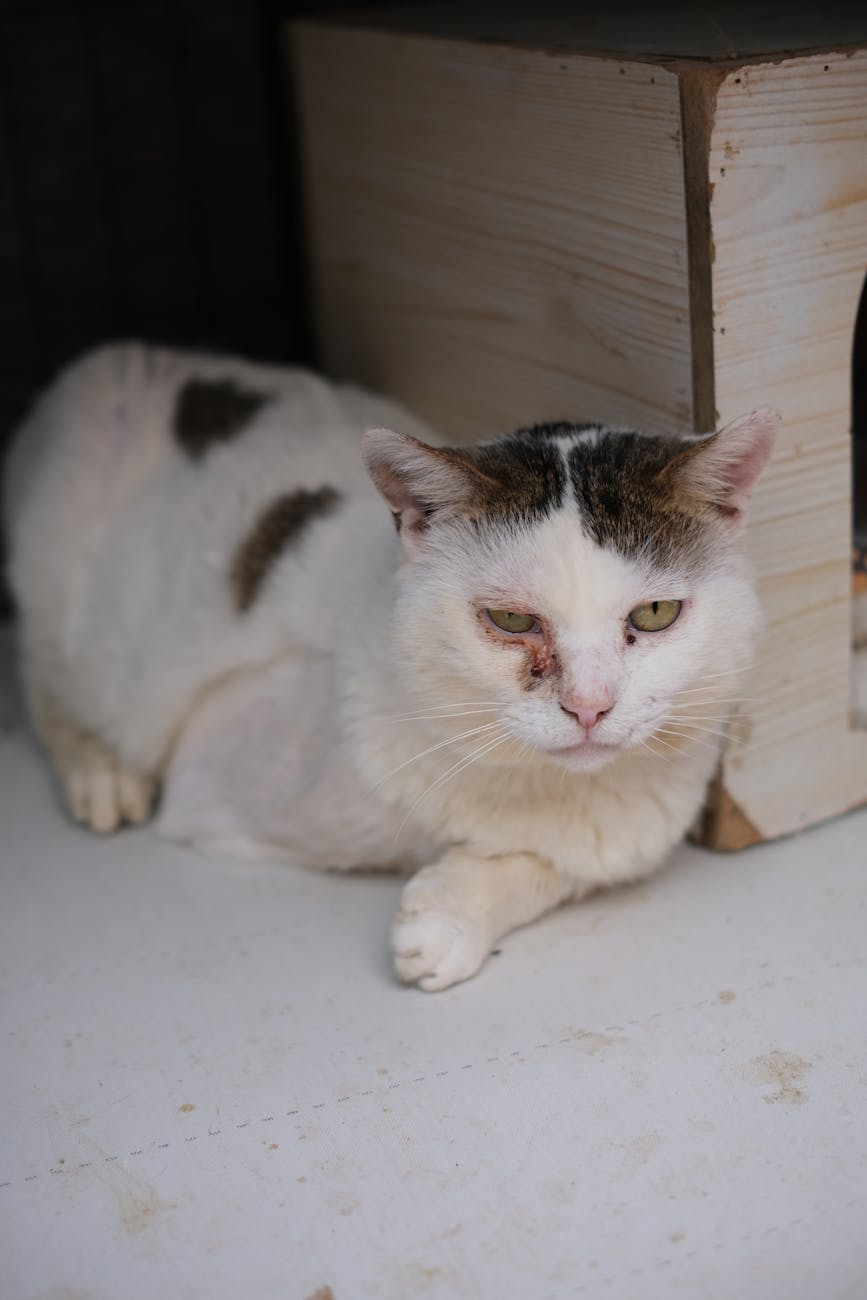
As our beloved pets age, they may experience changes not just in their physical health but also in their mental faculties. Cognitive decline in dogs and cats, often referred to as Cognitive Dysfunction Syndrome (CDS), mirrors certain aspects of human dementia, including Alzheimer’s disease. Recognizing the signs early and implementing supportive measures can significantly enhance the quality of life for our aging companions.
Understanding Cognitive Dysfunction Syndrome (CDS)
Cognitive Dysfunction Syndrome is a neurodegenerative condition affecting senior dogs and cats. It’s characterized by a gradual decline in cognitive function, leading to behavioral changes and memory loss. While normal aging can bring about subtle shifts in behavior, CDS represents a more pronounced deterioration in mental capabilities.
Causes of CDS
The exact causes of CDS are multifactorial and not entirely understood. However, several contributing factors have been identified:
- Brain Aging: Structural and chemical changes in the brain, including the accumulation of beta-amyloid plaques, oxidative stress, and neuronal loss, are common in aging pets.
- Reduced Brain Glucose Metabolism: Aging can lead to decreased glucose metabolism in the brain, affecting its energy supply and function.
- Genetic Predisposition: Some breeds may be more susceptible to developing CDS due to genetic factors.
- Environmental Factors: Lack of environmental enrichment and mental stimulation can exacerbate cognitive decline.
Clinical Signs of Cognitive Decline
It is important to pay attention to your pet’s body language, as it can be a sign of something serious. Recognizing the early signs of cognitive impairment is crucial for timely intervention. The acronym DISHA is commonly used to describe the primary symptoms:
- Disorientation: Pets may get lost in familiar environments, stare into space, or become stuck in corners.
- Interaction Changes: Altered social interactions, such as increased irritability, decreased interest in affection, or heightened clinginess.
- Sleep-Wake Cycle Alterations: Restlessness at night, increased daytime sleeping, or changes in sleep patterns.
- House Soiling: Forgetting previously learned house-training behaviors, leading to accidents indoors or outside the litter box.
- Activity Level Changes: Reduced interest in play, repetitive behaviors, or aimless wandering.
Additional signs may include:
- Anxiety and Agitation: Increased vocalization, especially at night, and heightened sensitivity to environmental changes.
- Memory Loss: Forgetting familiar people, routines, or commands.
- Difficulty Learning New Tasks: Struggling to adapt to new environments or routines.
Diagnosing CDS
Diagnosis of CDS involves a thorough evaluation by a veterinarian, including:
- Medical History and Behavioral Assessment: Gathering information about behavioral changes and ruling out other medical conditions that could mimic CDS symptoms.
- Physical and Neurological Examination: Assessing overall health and neurological function.
- Laboratory Tests: Blood work and urinalysis to exclude other potential causes of behavioral changes, such as thyroid disorders, kidney disease, or infections.
It’s essential to differentiate CDS from other conditions that can cause similar symptoms, ensuring appropriate treatment.
Management and Treatment Strategies of cognitive decline
While there’s no cure for CDS, several strategies can help manage symptoms and slow the progression of cognitive decline:
1. Nutritional Support
Diet plays a pivotal role in maintaining brain health. Specific nutrients have been identified to support cognitive function:
- Omega-3 Fatty Acids: Particularly DHA (docosahexaenoic acid) and EPA (eicosapentaenoic acid), which are essential for neuronal membrane integrity and function.
- Antioxidants: Vitamins E and C, selenium, and flavonoids help combat oxidative stress in the brain.
- B Vitamins: Crucial for neurotransmitter synthesis and overall brain metabolism.
- Medium-Chain Triglycerides (MCTs): Serve as an alternative energy source for the brain, potentially improving cognitive function.
Several prescription diets formulated for senior pets incorporate these nutrients to support cognitive health.
2. Environmental Enrichment
Providing a stimulating environment can help maintain mental acuity:
- Interactive Toys and Puzzles: Encourage problem-solving and engagement.
- Regular Physical Activity: Daily walks and play sessions promote both physical and mental well-being.
- Social Interaction: Regular interaction with humans and other pets can prevent social withdrawal.
- Routine and Consistency: Maintaining a consistent daily schedule helps reduce confusion and anxiety.
3. Behavioral Therapy
Behavioral interventions can address specific issues:
- Positive Reinforcement Training: Reinforcing desired behaviors can help manage symptoms.
- Desensitization and Counter-Conditioning: Techniques to reduce anxiety and fear responses.
- Environmental Modifications: Adjusting the home environment to accommodate the pet’s needs, such as providing ramps or non-slip mats.
4. Pharmacological Interventions
In some cases, medications may be prescribed to manage symptoms:
- Selegiline: A monoamine oxidase inhibitor that can improve cognitive function in dogs.
- Anxiolytics: Medications to reduce anxiety and agitation.
- Nutraceuticals: Supplements like SAMe (S-adenosylmethionine) have shown promise in supporting cognitive health.
Preventive Measures for cognitive decline
Early intervention can delay the onset and progression of cognitive decline:
- Regular Veterinary Check-ups: Early detection of behavioral changes allows for timely management.
- Balanced Diet: Providing a diet rich in essential nutrients supports overall health.
- Mental Stimulation: Engaging in training and interactive play from a young age fosters cognitive resilience.
- Physical Exercise: Regular activity maintains physical health and mental sharpness.
Cognitive decline: Conclusion
Cognitive decline in dogs and cats is a significant concern as pets age. Recognizing the signs of Cognitive Dysfunction Syndrome and implementing a comprehensive management plan can greatly enhance the quality of life for affected animals. Through a combination of nutritional support, environmental enrichment, behavioral therapy, and medical intervention, we can help our pets navigate their senior years with dignity and comfort.
https://www.thesprucepets.com/senior-dementia-in-dogs-3385016