When a dog brings food back up, many pet parents assume it is vomiting. In reality, vomiting and regurgitation are two distinct actions. Each points to different parts of the digestive tract and different risks. Understanding the signs can help you decide when home care is reasonable and when veterinary attention is needed.
The simple difference
Vomiting is an active process. The stomach and upper digestive system contract to force material out. Regurgitation is passive. Food or liquid flows back up without effort, often shortly after eating.
A quick way to remember it is effort versus no effort.
What vomiting looks like
Vomiting usually includes nausea signs before it happens. You may see drooling, lip licking, pacing, or abdominal heaving. The material often looks digested and may contain bile, which is yellow or green. Vomiting comes from the stomach or the first part of the small intestine.
Common reasons for vomiting include dietary indiscretion such as eating trash, table scraps, or spoiled food. It can also be caused by foreign objects, infections, toxins, or digestive system disease like inflammatory bowel disease. Problems outside the gastrointestinal tract can trigger vomiting too, including kidney failure or bladder obstruction. Certain poisons, such as organophosphate toxicity, can also cause repeated vomiting along with other neurologic signs.
Infectious causes deserve special attention. Viral infections such as parvovirus and canine influenza can cause vomiting along with diarrhea, fever, and lethargy. Intestinal parasites may steal nutrients and irritate the gut, leading to vomiting, loose stool, and weight loss. Bacterial infections, often linked to a weakened immune system, can also trigger gastrointestinal symptoms. Chronic vomiting left untreated can lead to complications including dehydration, kidney or liver problems, and more serious illness.
Patterns matter. Frequent vomiting, vomiting blood, or vomiting paired with lethargy or pain raises concern for serious disease and warrants prompt care.
What regurgitation looks like
Regurgitation happens without warning. There is no retching or abdominal heaving. Food often comes up in a tube shape and looks undigested. It may happen minutes or hours after eating or drinking.
Regurgitation usually points to a problem in the esophagus, which sits before the stomach in the digestive tract. Causes include motility disorders, structural narrowing, or swallowing problems like pharyngeal dysphagia. Dogs with esophageal issues may also cough or develop pneumonia from inhaling food.
Some breeds are overrepresented. German Shepherds, Labrador Retrievers, Irish Setters, Wire Haired Fox Terriers, and Miniature Schnauzers are more likely to develop certain esophageal motility problems.
Why timing and pattern are important
The timing of the episode offers clues. Vomiting can happen any time, even on an empty stomach. Regurgitation often follows meals or drinking. Repeated regurgitation after every meal suggests an esophageal issue, while vomiting that starts hours later may involve the stomach or small intestine.
Watch for bloating or a rapidly enlarging abdomen along with unproductive retching. This can signal gastric dilation and volvulus, commonly called bloat, which is an emergency. Large, deep chested dogs are at higher risk.
What reflux and chronic issues can look like
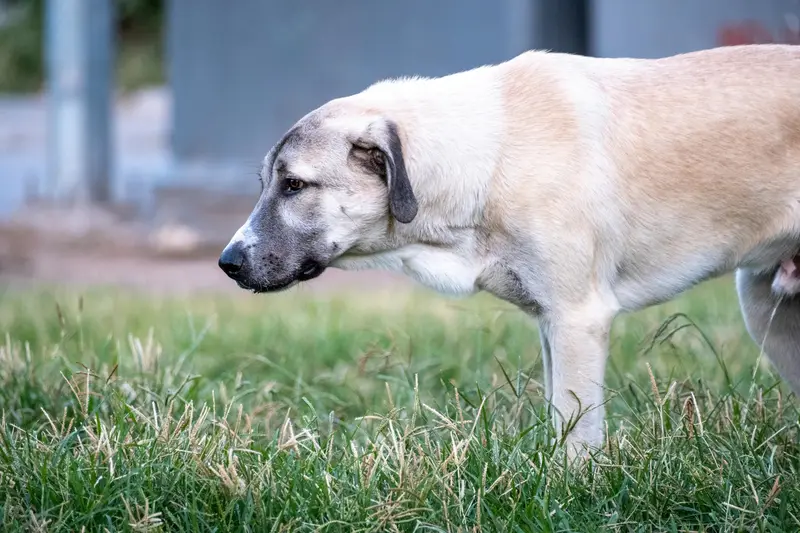
Reflux can blur the lines. Dogs may regurgitate small amounts, especially when lying down, and may swallow repeatedly as acid irritates the esophagus. Chronic cases can damage the esophagus and lead to ongoing regurgitation.
Long term vomiting may point to inflammatory bowel disease or other chronic digestive system disease. Weight loss, poor appetite, or diarrhea alongside vomiting increases concern.
Practical steps at home
Note what comes up, when it happens, and how your dog acts before and after. With regurgitation, feeding smaller meals and keeping your dog upright after eating can help. Some dogs benefit from a Bailey chair, which keeps them vertical during and after meals so gravity helps food reach the stomach.
For mild vomiting episodes, your veterinarian may suggest a temporary bland diet and ensuring your dog stays hydrated with plenty of water. Anti-nausea medications and drugs to relieve intestinal inflammation may also be prescribed. With proper treatment, improvement is often seen within two to four days. Avoid feeding your pet rich or seasoned human foods during recovery, as these can further irritate the digestive system.
Do not induce vomiting unless a veterinarian tells you to. If you suspect your dog swallowed foreign objects or toxins, seek help immediately.
When to seek care
Contact a veterinarian promptly if episodes are frequent, painful, or paired with weakness, fever, or breathing trouble. Immediate veterinary attention is critical for signs of bloat, severe dehydration, or repeated vomiting that does not stop. Early evaluation in veterinary medicine can prevent complications and guide proper treatment.
Understanding whether your dog is vomiting or regurgitating helps you respond appropriately and protects their health across the entire digestive tract.