
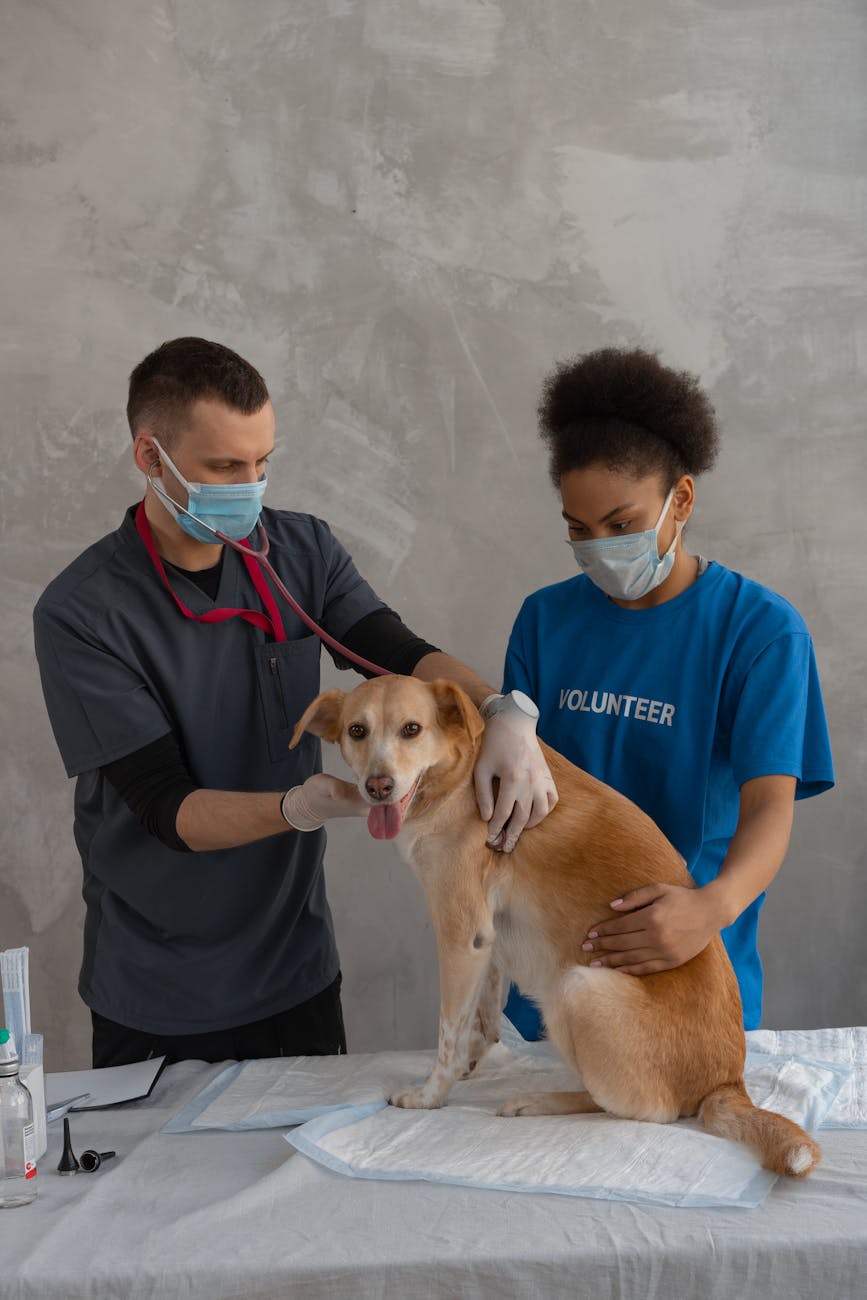
Animals’ Health: Veterinary Ventures & Insider Tips
Providing proper veterinary care is essential for ensuring a happy life for animals, whether they are household pets, farm animals, or exotic species. Vet practices play a crucial role in preventing diseases, treating illnesses, and maintaining overall well-being. However, many cat owners, dog owners, and even farmers often overlook essential aspects of veterinary care, which can lead to preventable health complications.
Understanding the level of care needed for different species and recognizing the signs of health issues can help pet business owners and animal lovers make informed decisions. In this guide, we’ll explore expert veterinary insights, the importance of physical exams, how corporate practices impact veterinary medicine, and why a great practice manager is essential for a well-functioning vet practice.
Why Veterinary Care Matters for Animals
Veterinary medicine isn’t just about treating sick animals—it’s about preventing diseases, improving quality of life, and helping pets and livestock thrive. Many business owners involved in pet care and agriculture rely on veterinarians to maintain the health of their animals and ensure they receive the standard of care they deserve.
The Role of Veterinary Care in an Animal’s Happy Life
First and foremost, veterinary care helps ensure that animals remain healthy for as long as possible. Not only does it prevent serious illnesses, but it also improves their overall well-being. Therefore, scheduling regular vet visits should be a priority for every pet owner.
Additionally, veterinary care provides several key benefits, including:
- Early Disease Detection – Routine physical exams help identify illnesses before they become serious, allowing for early intervention.
- Preventive Care Saves Money – Investing in vaccinations, deworming, and regular checkups prevents costly emergency treatments later.
- Improved Longevity and Well-Being – Animals receiving proper veterinary attention live longer, healthier lives.
- Behavioral Insights – Many behavioral issues stem from medical problems. A veterinarian can assess health concerns contributing to aggression, anxiety, or lethargy.
By working with a vet practice that prioritizes preventive care, cat owners, dog owners, and farmers can ensure their animals remain in peak condition.
Insider Tips for Maintaining Animal Health
Veterinary experts emphasize several key principles for keeping pets and livestock healthy. While some may seem obvious, others are often overlooked. These insider tips provide practical guidance for business owners and pet owners alike.
1. Preventive Care is Key
To begin with, preventive veterinary care plays a significant role in maintaining a high level of care for animals. Without it, many conditions go undetected until they become severe. Essential elements of preventive care include:
- Vaccinations – Core vaccines protect against life-threatening diseases such as rabies, distemper, and parvovirus.
- Deworming – Parasites can cause digestive problems, malnutrition, and anemia. Routine deworming prevents these issues.
- Heartworm Prevention – Monthly heartworm preventatives help dogs and cats avoid potentially fatal infections. To learn more about parasite prevention, click here.
- Flea and Tick Control – These external parasites can lead to infections, Lyme disease, and allergic reactions.
Furthermore, many pet owners believe that indoor pets do not require the same preventive treatments as outdoor pets. However, fleas, ticks, and parasites can still find their way indoors, making preventive care essential for all animals.
2. Proper Nutrition Matters
In addition to vaccinations, diet plays a major role in animal health. A practice manager in a veterinary clinic will often educate cat owners and dog owners on choosing the right food. Key nutritional points include:
- High-Quality Pet Food – Avoid filler-heavy foods and prioritize options with real meat, whole grains, and essential fatty acids.
- Portion Control – Overfeeding leads to obesity, increasing the risk of diabetes, arthritis, and heart disease.
- Hydration – Always provide fresh, clean water to prevent dehydration and kidney problems.
Moreover, many business owners in the pet industry have started offering specialized foods that cater to specific breeds, age groups, and dietary restrictions. This provides pet owners with more choices, ensuring their pets receive the nutrition they need.
3. Dental Health Shouldn’t Be Overlooked
Another commonly ignored aspect of pet care is dental hygiene. Poor oral health can lead to severe infections, pain, and even organ damage. Therefore, veterinarians strongly recommend:
- Regular Teeth Brushing – Use pet-safe toothpaste to prevent plaque buildup.
- Dental Chews – Some treats help reduce plaque and tartar.
- Annual Cleanings – Professional cleanings ensure long-term oral health.
Although many pet owners believe dental issues are minor, neglecting oral care can have long-term consequences. For this reason, routine dental care is just as important as vaccinations and nutrition.
Common Health Issues in Domestic and Exotic Animals
Different species require different levels of veterinary attention. While some animals are naturally resilient, others are prone to certain conditions that require consistent monitoring.
Health of Dogs and Cats
- Obesity – Overfeeding and a lack of exercise cause weight gain, leading to heart disease and diabetes.
- Allergies – Many pets develop food or environmental allergies, leading to skin irritation and digestive issues.
- Arthritis – Senior pets commonly experience joint pain. Supplements such as glucosamine help alleviate discomfort.
Birds
- Feather Plucking – Often a sign of stress, nutritional deficiencies, or underlying health conditions.
- Respiratory Infections – Birds are highly sensitive to airborne toxins such as smoke and scented candles.
- Calcium Deficiency – Lack of calcium leads to weak bones and egg-laying complications in female birds.
Reptiles
- Metabolic Bone Disease (MBD) – A lack of UVB lighting and calcium results in weak, deformed bones.
- Respiratory Illnesses – Poor humidity control can cause lung infections.
- Dehydration – Improper hydration leads to shedding problems and kidney damage.
Clearly, each species has its own unique health challenges. Consequently, working with a knowledgeable vet practice that understands these conditions is essential.
Choosing the Right Vet Practice
Not all clinics provide the same standard of care. Whether you’re a cat owner or a farmer managing livestock, choosing the right veterinary facility ensures your animals receive the best medical attention.
What to Look for in a Vet Practice:
✔ Specialization in Your Animal’s Needs – Some vets focus on exotic pets, farm animals, or companion animals.
✔ Well-Trained Practice Manager – A great practice manager ensures smooth clinic operations and quality patient care.
✔ Positive Reputation – Look for reviews and recommendations from other pet owners.
✔ Advanced Medical Equipment – A well-equipped clinic provides better diagnostics and treatment.
✔ Compassionate Staff – A great vet takes the time to explain diagnoses and treatment options clearly.
Since every pet deserves high-quality medical attention, finding a vet practice that meets these criteria is essential. To find out more about the importance of vet checkups, click here.
Final Thoughts: Helping Animals Live a Happy Life
Ultimately, veterinary care plays a fundamental role in keeping animals healthy, preventing disease, and ensuring longevity. By focusing on physical exams, proper nutrition, and preventive treatments, business owners, pet owners, and farmers can maintain a high level of care for their animals.
Whether you choose a corporate practice or a private vet practice, working with experienced professionals ensures that your pets and livestock receive the standard of care they deserve.
Are you doing everything possible to help your animal live a happy life? If not, now is the perfect time to start prioritizing their health. By staying proactive and informed, you can make a meaningful difference in their well-being.