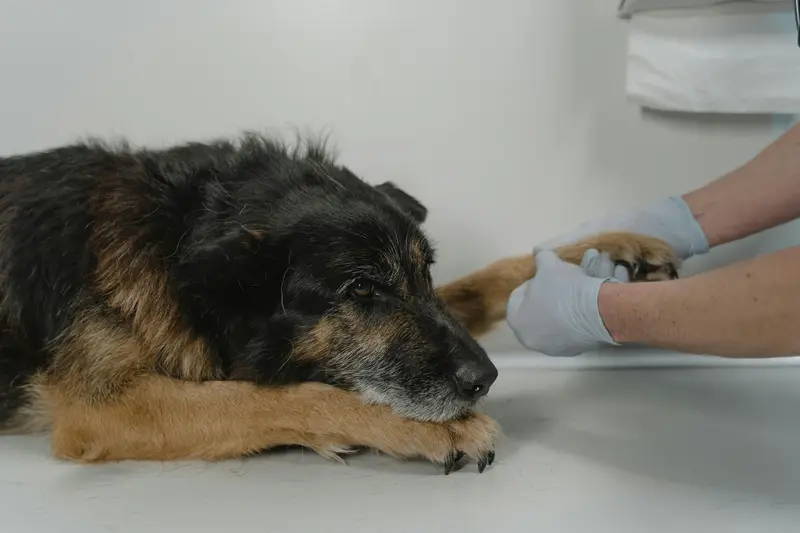
If your pet disappears under the couch every time you pull out the carrier, you’re not alone. Many cats and dogs feel nervous about going to the vet. Some tremble, some bark, and others flat-out refuse to move. These reactions are signs of veterinary anxiety, and they can make even a routine visit feel like a challenge.
The good news is that there are simple, gentle ways to help your pet feel calmer. One of the easiest steps you can take is to try vet care from the comfort of your own home. That’s where TelePAWS comes in.
why pets get nervous at the vet
For animals, the veterinary clinic can be a confusing place. There are unfamiliar smells, loud sounds, shiny tables, and people they don’t know touching them. Even if nothing painful happens, the newness alone can be scary. And if they’ve had a stressful visit in the past, that memory can stick.
Over time, pets begin to associate the entire experience with fear. This can cause them to exhibit negative behaviors or resist vet care altogether.
signs of veterinary anxiety
You may notice signs of anxiety like:
- Hiding or refusing to enter the carrier
- Panting and drooling
- Barking, growling, shaking, or whining
- Accidents on the way or at the clinic
- Separation anxiety, clingy behavior, or trying to escape
Even pets who usually seem confident can become anxious during vet visits. Understanding the body language and physical symptoms is the first step in helping them feel better.
at-home strategies to build confidence
Helping your pet feel less anxious with veterinary visits starts with simple actions pet owners can take at home.
1. Leave the Carrier Out
If your pet only sees the carrier on vet days, they’ll quickly learn to avoid it. Keep it out where your pet can explore it freely. Add a cozy blanket or a favorite toy to make it feel like part of their normal environment.
2. Practice Positive Car Rides
Take your pet on short rides that don’t end at the vet. A quick trip around the block or a drive to a fun spot helps break the connection between the car and fear.
3. Get Them Used to Gentle Touch
Touch your pet’s ears, paws, and belly during relaxed times at home. Give treats when they stay calm. This helps prepare them for being handled during real exams.
4. Stop by the Clinic for a Friendly Visit
Some clinics allow pets to visit the lobby just to say hello and get a treat. These casual visits can help your pet get used to the space without any pressure.
try an online visit
If in-person vet visits are too overwhelming for your pet right now, you don’t have to choose between their comfort and their care. TelePAWS is a convenient online vet service that allows you to connect with licensed veterinarians through secure video calls. You and your pet can speak with a vet while staying in the safety and calm of your own home.
With TelePAWS, you can:
- Get expert advice for minor health concerns
- Ask follow-up questions after an in-person appointment
- Talk through behavioral issues, anxiety, or nutrition
- Decide whether your pet needs to visit a clinic or if at-home care is enough
This option is especially helpful for pets who get carsick or motion sickness, panic at the sight of a waiting room, or are recovering from surgery or illness. Instead of dealing with traffic and stress, you can get answers from a trusted vet right from your living room.
TelePAWS is also great for busy pet parents, first-time owners, or anyone who wants peace of mind without the hassle. If your pet needs hands-on care, our team can guide you on what to expect and how to prepare for a calmer in-person visit.

on the day of an in-person appointment
When an in-person veterinary visit is needed, preparation can help reduce stress:
- Speak in a calm, happy tone
- Bring a favorite toy or blanket for comfort
- Play soft music during the car ride
- Arrive early to avoid rushing
- Let the clinic know ahead of time if your pet has anxiety
Some clinics are happy to make adjustments, such as letting you wait outside until the exam room is ready or performing parts of the exam on the floor if that makes your pet more comfortable.
after the vet visit
Once the visit to the vet’s office is over, reward your pet with something they love. It could be a walk, a visit to the dog park, a favorite toy, a tasty treat, or simply some quiet time together. Ending the day on a positive note helps them recover faster and builds better memories for next time.
when extra support is needed
If your pet’s anxiety is intense or getting worse, don’t wait. Talk to a vet, whether in person or through TelePAWS, about what you’re seeing. There are many calming tools available, from training tips to natural supplements. You don’t have to figure it all out on your own.
Veterinary anxiety is common, but it doesn’t have to be permanent. With time, patience, and the right support, your pet can learn to feel safer and more relaxed.