Separation anxiety is a common issue that affects many pets, causing distress for both animals and their owners. Just like humans, pets can form deep emotional bonds with their caretakers. When left alone, some pets may experience intense anxiety, leading to destructive behaviors and emotional turmoil. In this blog, we’ll explore the causes of separation anxiety in pets, identify the signs to look out for, and offer effective coping strategies to help your furry friend feel more secure when you’re away.
What is Separation Anxiety in Pets?
Separation anxiety occurs when a pet becomes excessively anxious or stressed in response to being left alone or separated from their owner. This condition can affect both dogs and cats, though it’s more commonly observed in dogs. Pets with separation anxiety may exhibit a range of behaviors that indicate their discomfort, from subtle cues to more severe signs of distress.
Causes of Separation Anxiety IN PETS
There is no single cause of separation anxiety, but a combination of factors may contribute to its development:
- Change in Routine: Pets thrive on routine, and any sudden changes (such as a new job requiring you to leave the house more often) can trigger anxiety.
- Loss of a Companion: The death or removal of a family member or another pet can lead to heightened feelings of loneliness and insecurity.
- Abandonment or Neglect: Animals that have been adopted from shelters or have experienced neglect in the past are more likely to develop separation anxiety.
- Traumatic Experiences: Events such as natural disasters, loud noises, or prolonged periods of isolation can result in separation-related stress.
- Breed or Temperament: Certain breeds are more prone to developing separation anxiety, especially those known for their high energy or strong attachment to humans.
Signs of Separation Anxiety in Pets
Recognizing the signs of separation anxiety is the first step toward helping your pet. The symptoms can vary, but the following are some of the most common indicators:
- Excessive Barking or Meowing: Pets may vocalize more than usual when left alone, trying to call for their owner.
- Destructive Behavior: Chewing furniture, scratching doors, and knocking over objects are ways anxious pets try to cope with their stress.
- Pacing or Restlessness: Some pets may walk back and forth nervously when they sense their owner is leaving or while they are alone.
- Inappropriate Elimination: Urinating or defecating indoors, even when they are fully house-trained, can be a sign of extreme distress.
- Clinginess: Pets with separation anxiety may follow their owners around the house, showing a reluctance to be left alone even for short periods.
- Escape Attempts: In extreme cases, pets may try to escape through windows, doors, or other barriers in a desperate attempt to find their owner.
Coping Strategies for Separation Anxiety IN PETS
Dealing with separation anxiety can be challenging, but there are various strategies you can implement to help ease your pet’s distress. Here are some effective ways to manage and reduce separation anxiety in pets:
1. Gradual Desensitization
One of the most successful methods for reducing separation anxiety is gradual desensitization. This technique involves slowly increasing the amount of time your pet spends alone, allowing them to get used to your absence. Start by leaving them alone for a few minutes and gradually extend the time. Reward them for remaining calm to allow for positive reinforcement.
2. Establish a Predictable Routine
Creating a routine provides your pet with a sense of security. Try to keep your comings and goings low-key and predictable. Stick to a regular schedule for feeding, walks, and playtime, so your pet knows what to expect each day. Routines help reduce anxiety by eliminating the uncertainty of when you will return.
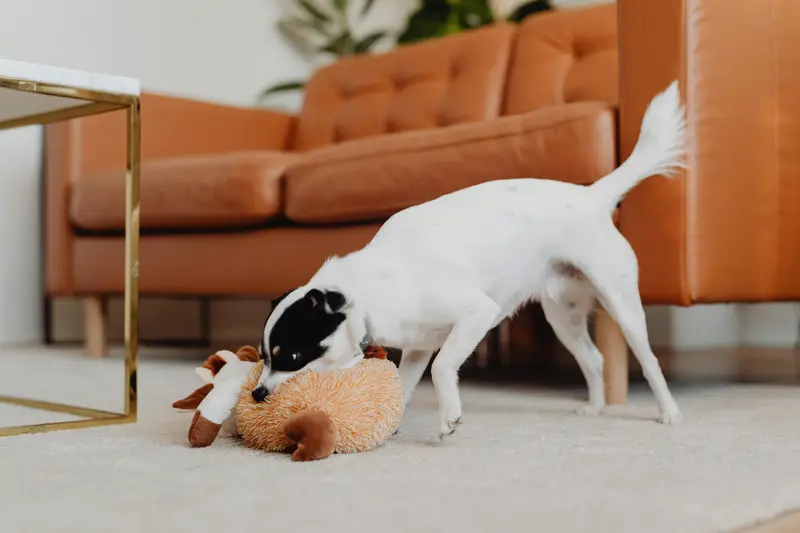
3. Use Interactive Toys and Puzzles
Providing mental stimulation while you’re away can help distract them from the anxiety of being alone. Interactive toys and food puzzles can engage their minds and provide entertainment, helping to curb destructive behaviors. Toys that dispense treats, for example, can keep your pet occupied for extended periods.
4. Create a Safe Space
Designate a comfortable and secure space in your home where your pet can retreat when they are feeling anxious. This could be a cozy corner with their favorite bed, blankets, and toys. Having a familiar, calming environment can help reduce their stress levels.
5. Practice Short Departures
When preparing to leave, practice short departures to get your pet used to the idea of you leaving without it being a big event. Start by leaving the house for just a few minutes and then returning without making a fuss. Gradually increase the time you spend away, so your pet becomes desensitized to the pattern.
6. Consider Using Calming Products
There are a variety of calming products on the market designed to help soothe anxious pets. These include pheromone diffusers, anxiety wraps, and calming supplements. Always consult with your veterinarian before introducing any new products to ensure they are safe and appropriate for your pet.
7. Training and Behavior Modification
In severe cases of separation anxiety, working with a professional pet trainer or behaviorist may be necessary. Training techniques like counter-conditioning can help modify your pet’s response to being left alone. This process involves teaching your pet to associate your departure with positive experiences, such as receiving treats or toys.
8. Consider Pet Daycare or a Pet Sitter
If your pet’s anxiety is extreme and has led to behavioral issues among other distress behaviors, and you are unable to manage it through other strategies, consider using pet daycare or hiring a pet sitter. This way, your pet won’t be left alone for long periods, reducing their anxiety and ensuring they have social interaction and supervision throughout the day.
When to Seek Professional Help
If your pet’s separation anxiety persists despite your efforts to manage it, or if their behaviors become destructive or harmful, it may be time to seek professional help. A veterinary behaviorist or animal behaviorist can assess your pet’s condition and recommend a tailored treatment plan, which may include behavior modification therapy or medication.
Conclusion
Separation anxiety in pets can be distressing for both you and your furry companion, but with patience and the right strategies, it can be managed effectively. By understanding the causes and signs of separation anxiety and implementing coping strategies, you can help reduce the symptoms of separation anxiety in your pet when they are alone. Remember, every pet is different, so it may take time to find the right solution that works for your pet’s specific needs.
With consistency, compassion, and care, you can alleviate your pet’s anxiety and ensure they live a happier, more comfortable life—even when you’re not around. If you have the luxury of working from home, consider reading how to create a pet-friendly home office here!