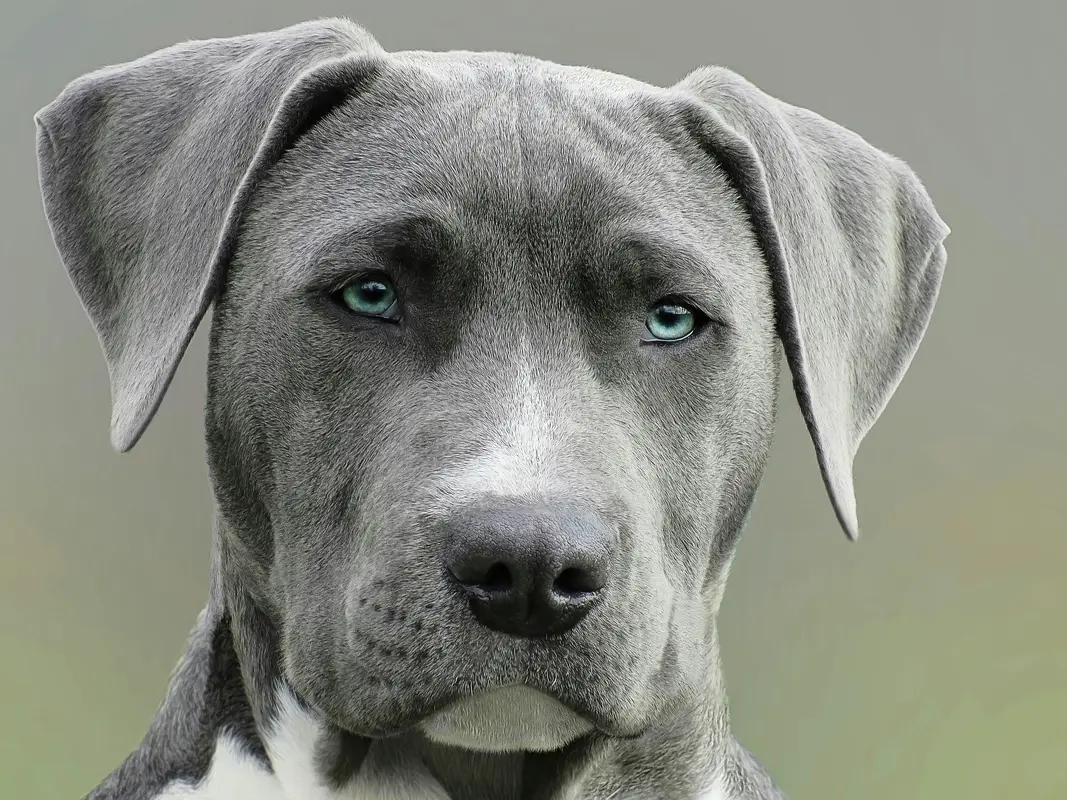

If you’ve ever seen your dog chase a squirrel or your cat pounce on a moving toy, you’ve witnessed their natural hunting instinct, or prey drive, in action. This deeply ingrained behavior stems from their wild ancestors who relied on hunting for survival. Even in our domesticated companions, these powerful instincts remain intact and influence their actions in fascinating ways.
What Is Prey Drive?
This instinctual urge compels animals to chase, capture, and sometimes kill moving objects. It is most commonly observed in predatory species like dogs and cats, but even some birds and small mammals exhibit similar tendencies.
Importantly, this natural behavior is not about aggression—it’s about instinct. In the wild, the animal instincts to chase ensured survival by helping animals secure food. Today, it manifests in behaviors like chasing, stalking, pouncing, and retrieving.
The predatory sequence typically follows this pattern:
Search → Stalk → Chase → Grab → Bite → Consume
Not all pets exhibit the full cycle. Some may only chase but never attempt to capture or bite, while others may follow through with the entire sequence. Understanding where your pet falls in this spectrum can help you tailor their activities and training.

How This Instinct Varies Among Pets
Not all pets have the same level of chase drive.
- Dogs: Certain breeds, such as Border Collies, Greyhounds, Terriers, and Siberian Huskies, have been selectively bred for their strong pursuit instincts, making them excellent hunting or herding companions. Conversely, breeds like Bulldogs and Basset Hounds tend to have a lower drive and may be less inclined to chase after moving objects.
- Cats: The drive to hunt is a fundamental trait across all feline breeds. Even the most pampered house cat will display hunting behaviors, such as stalking and pouncing. This instinct is essential for their mental and physical stimulation. Some breeds, such as Bengals, Siamese, and Abyssinians, are particularly known for their heightened hunting tendencies and need for interactive play.
- Individual Differences: Even within the same breed, some pets may have a stronger chase instinct than others. This variance is influenced by genetics, early life experiences, and training.
Managing Your Pet’s Instincts
Understanding your pet’s natural hunting tendencies is crucial to managing their behavior in a healthy and productive way. Here are some tips to keep their instincts satisfied while ensuring their safety:
1. Provide Mental and Physical Stimulation
- Use engaging toys, puzzle feeders, and agility training to channel their instincts in a controlled way.
- Mental stimulation is just as important as physical exercise—it prevents boredom and destructive behaviors.
2. Use Interactive Play
- For dogs: Fetch, tug-of-war, and lure coursing provide great outlets.
- For cats: Toys that mimic prey, such as feather wands, laser pointers, or motorized mice, keep them entertained and active.
3. Training and Socialization
- Teach commands like “leave it” and practice recall to curb excessive chasing behaviors in dogs.
- Proper socialization can help prevent unwanted pursuit of smaller pets or wildlife.
- Early training and exposure to different environments can mitigate overly strong chase responses.
4. Secure Outdoor Spaces
- If your dog has a strong chase instinct, a fenced yard or secure leash is essential to prevent bolting after small animals.
- Keeping cats indoors or in a catio prevents them from hunting birds and small mammals.
5. Supervised Interactions
- If you have small pets like rabbits or birds, keep them separate from dogs or cats with strong predatory instincts.
- Even if a pet seems gentle, their instincts can sometimes take over in unpredictable ways.
6. Safe Outlets for Chasing Instincts
- High-energy dogs benefit from structured activities like flirt poles, herding balls, and fast-paced games.
- Cats enjoy timed play sessions with movement-based toys that mimic a natural hunting sequence.

When Hunting Instincts Become a Problem
While natural, this behavior can become problematic if not managed correctly.
- Dogs with strong chase instincts may lunge at small animals during walks, pursue moving objects dangerously close to traffic, or pose a risk to small pets at home.
- Cats with excessive hunting tendencies might engage in rough play, scratching or biting their owners unintentionally.
If your pet’s instinctual behavior leads to problematic situations, consider consulting a professional trainer or behaviorist who specializes in positive reinforcement techniques. Training should focus on impulse control, redirection, and reinforcement of appropriate behaviors rather than punishment. If any injuries occur, make sure to see a vet.
Embracing Your Pet’s Wild Side
Rather than trying to eliminate this natural instinct, pet owners should embrace and work with it. By providing appropriate outlets for their energy, you can ensure your companion remains happy, healthy, and well-behaved.
Understanding their innate drive helps strengthen the bond between humans and their pets, acknowledging their instincts while fostering a safe and enriched environment.
So the next time your cat crouches before a pounce or your dog locks eyes on a squirrel, remember—it’s not just play; it’s nature in action! With the right approach, you can turn this instinct into a positive and rewarding part of your pet’s life.
Further Information
https://www.hillspet.com/dog-care/behavior-appearance/prey-drive-in-dogs
https://www.akc.org/expert-advice/training/channel-control-dog-prey-drive/
https://www.pethonesty.com/blogs/blog/understanding-your-cat-s-prey-drive