
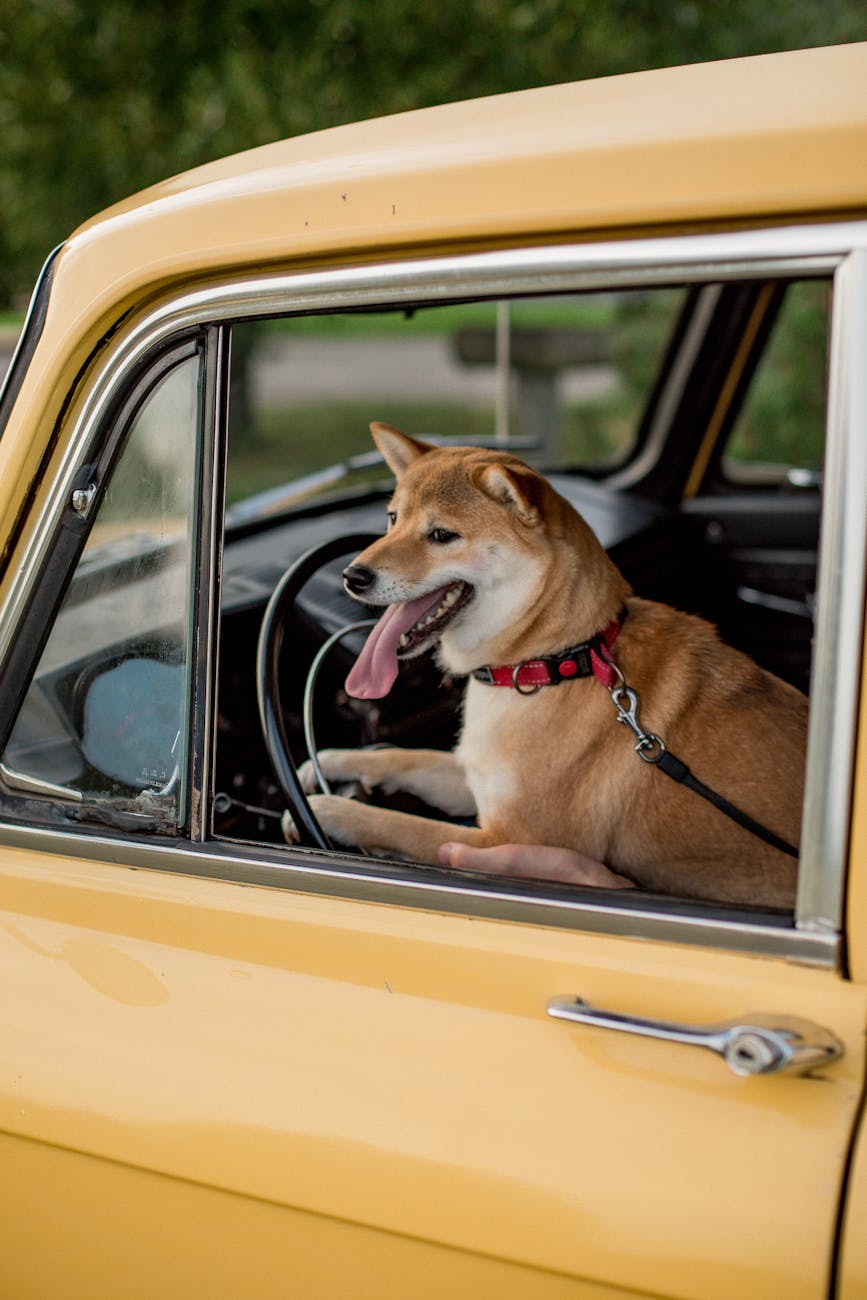
To travel with pets has become increasingly popular as more pet owners want to share their adventures with their furry companions. Whether you’re planning a road trip, flying to a distant destination, or just heading out for a quick weekend getaway, traveling with pets requires extra planning and care. But with the right preparations, you and your pet can have a safe, fun, and stress-free journey.
In this blog, we’ll explore some of the essential tips for traveling with pets, ensuring both you and your pet enjoy the journey. Let’s dive into how you can make your pet an ideal travel buddy!
1. Preparing Your Pet for Travel: Pre-Trip Essentials
Before embarking on any trip, there are a few key steps to prepare your pet for the adventure ahead.
Visit the Vet
Before any travel, a trip to the vet is crucial. A check-up ensures your pet is healthy enough to travel, especially if you’re planning an international trip or longer journey. Your vet will check your pet’s vaccinations, update any necessary records, and may provide recommendations based on your pet’s health and age. For example, some airlines or hotels may require specific vaccines or health certifications, so make sure to get the documentation you need.
Travel-Specific Identification
It’s always best to update your pet’s ID tag and ensure they’re microchipped, especially if you’re traveling to a new area where they could become lost. If you’re flying, check with your airline to ensure your pet has the necessary identification and any travel-approved tags for baggage handling.
Pet Travel Carrier
Choosing the right pet carrier is essential for safety and comfort during your travels. Whether your pet is flying, taking a train, or going on a road trip, the carrier should be well-ventilated, large enough for your pet to stand and turn around in, and easy to secure in a vehicle. Some pets feel more comfortable in familiar items like their bed or blanket inside the carrier, so consider packing these items to make them feel more at home.
2. Traveling by Car: Road Trips with Your Pet
Road trips are one of the most common and convenient ways to travel with pets. If you’re hitting the open road, consider these travel tips for pets:
Secure Your Pet for Safety
Just like humans, pets should be properly secured in the vehicle. Use a pet seatbelt, carrier, or pet car harness to ensure their safety during the drive. Unrestrained pets can be a distraction to the driver and are at risk of injury in case of sudden stops or accidents. Make sure the carrier is stable, or if your pet is in the backseat, use a leash that connects to the car’s seatbelt.
Frequent travel Breaks
Long road trips can be tiring for both you and your pet. Plan to stop every 2–3 hours for bathroom breaks, food, and water. Let your pet stretch their legs, use the restroom, and enjoy some fresh air. It’s also a great time to check on your pet’s well-being, ensuring they’re hydrated and comfortable.
Pack Pet Essentials
Bring along everything your pet may need during the journey. This includes:
- Food and water bowls (travel-friendly, collapsible bowls are a good option)
- Enough food for the trip, including treats and snacks
- Pet medications (if applicable)
- Leash, waste bags, grooming supplies, and a blanket or towel for comfort
3. Flying with Pets: Tips for Air Travel
Air travel can be a bit trickier when traveling with pets, but it’s still very manageable with the right preparations.
Choosing the Right Airline
Not all airlines are equally accommodating when it comes to pets. Some airlines allow pets in the cabin, while others may only offer cargo transport. It’s essential to book with an airline that has a pet-friendly policy and meets the needs of your specific pet (size, breed, etc.). Additionally, check the airline’s rules for pet carriers, pet fees, and travel restrictions well in advance. Click here to see further information on rules of traveling by air.
In-Cabin vs. Cargo
When flying, many small pets (usually under 15 pounds) are allowed in the cabin with you, in a carrier that fits under the seat. Larger pets may have to travel in the cargo hold. If your pet is flying in the cargo hold, be sure to ask the airline about their policies, including how they handle extreme weather conditions and what they do to ensure pets are comfortable and safe.
Pre-Flight Preparation
- Exercise your pet before the flight: A long walk or play session can help tire your pet out and keep them calm during the flight.
- Stay calm and confident: Pets often take cues from their owners, so staying calm can help ease any anxiety your pet may have.
- Arrive early: Ensure you arrive at the airport early enough to check in your pet and complete all the necessary paperwork.
Bring Comfort Items
To reduce stress, pack a familiar item in your pet’s carrier, such as their favorite blanket, toy, or a piece of your clothing. The scent of home can provide reassurance to your pet during the flight.
4. Finding Pet-Friendly Accommodation
When traveling, you’ll also need to find accommodations that welcome pets. Many hotels, motels, and rental properties offer pet-friendly options, but there are a few things to keep in mind when booking:
Pet Policies and Fees
Always verify the pet policy before booking a room. Some places charge a pet fee or have specific guidelines, such as size limits or breed restrictions. Research online platforms that specialize in pet-friendly lodging options to make the search easier.
Pet-Friendly Amenities
Look for accommodations that offer amenities like designated pet areas, pet-sitting services, or even dog-friendly beaches and parks nearby. This makes it easier for both you and your pet to enjoy your time away.
5. Pet Travel Accessories: Essential Gear for Pets on the Go
There are several accessories that can make traveling with pets easier and more enjoyable. Here are some items to consider bringing along:
- Pet Travel Bag: This handy bag holds your pet’s essentials (food, medications, leashes) in an organized manner for easy access.
- Portable Water Bottle: Keeping your pet hydrated on the go is essential, especially during long travel hours. A collapsible water bottle with a built-in bowl is convenient for trips.
- Pet GPS Tracker: If you’re visiting unfamiliar locations, a GPS tracker can help you quickly locate your pet if they get lost.
- Pet Stroller: For senior pets, or those who tire easily, a pet stroller can make sightseeing much easier. It’s especially helpful for pets with mobility issues. Click here for information on different accessories to bring for different situations!
6. After the Trip: Settling In
Once you’ve reached your destination, it’s time to help your pet settle in. Whether you’re staying in a hotel, a friend’s home, or a vacation rental, create a safe space for your pet. Set up their bed, food, and water, and ensure they have their favorite items around to help them feel more at home.
Allow your pet some time to adjust to their new environment. For some pets, traveling can be overwhelming, so giving them time to relax and unwind is important.
Final Thoughts: Traveling with Pets Made Easy
Traveling with pets doesn’t have to be stressful if you plan ahead and take the necessary precautions. Whether you’re embarking on a road trip, catching a flight, or enjoying a weekend getaway, there are many ways to make your pet feel comfortable and secure during the journey.
From visiting the vet and preparing travel carriers to booking pet-friendly accommodations and bringing along the right travel gear, your pet can be your ultimate travel buddy, making your adventures even more special.