Our pets experience the world in ways we can hardly imagine — and at the heart of that experience is an extraordinary sense of smell. While humans rely heavily on vision, animals like dogs, cats, and rabbits interpret their environment primarily through scent. Their powerful olfactory abilities help them hunt, communicate, form bonds, and stay safe. Let’s explore the fascinating science behind this sensitive sense, and see what makes their noses biological marvels.
Dogs: Masters of the canine sense
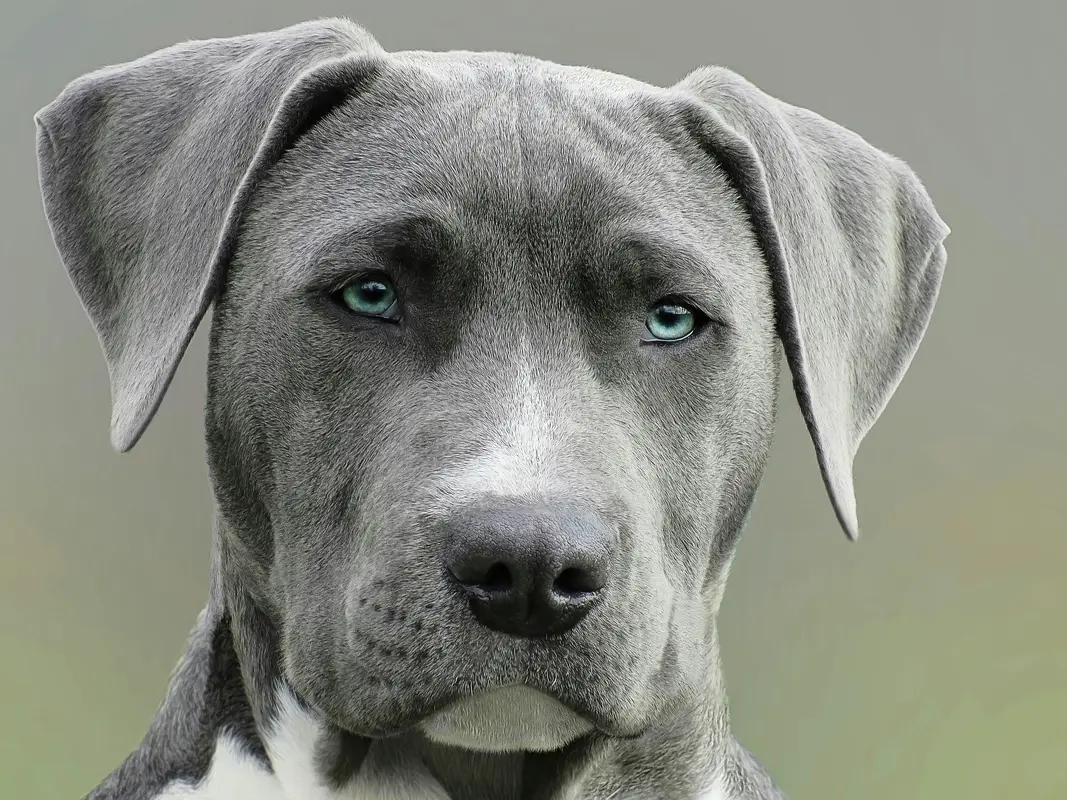
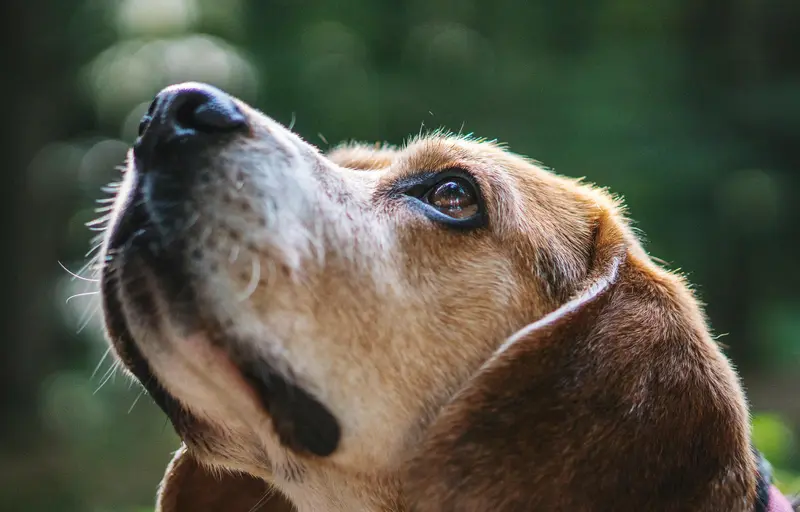
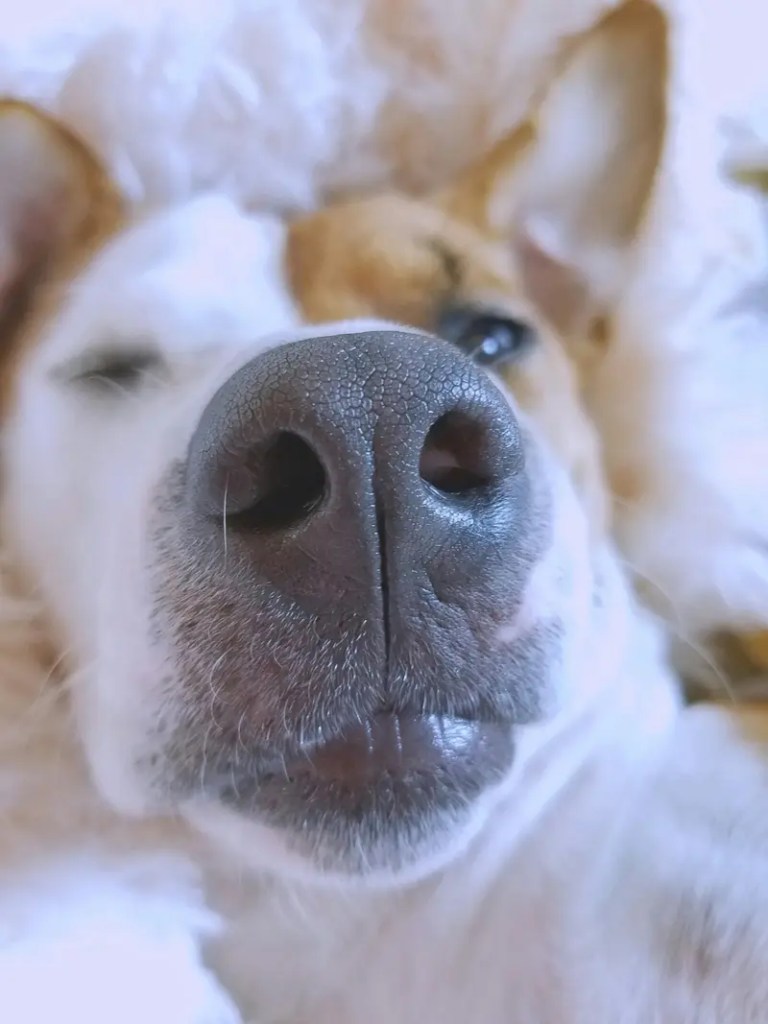
The canine sense of smell is astonishing. Dogs can have up to 300 million scent receptors — also known as olfactory receptors — in their nasal cavity, while humans have only about 5 to 6 million. Their olfactory epithelium, the part of the nose where these receptors are concentrated, can be over 20 times larger than ours.
That’s not all — the human brain dedicates only a small portion to processing smell, but in dogs, the olfactory bulb is 40 times larger (relative to total brain size). This gives dogs an unrivaled ability to follow scent trails, distinguish between individuals, and even detect disease.
Dogs also have a vomeronasal organ, which allows them to detect pheromones — chemicals that carry social and reproductive messages. This lets dogs perceive emotional states and even the readiness of another dog to mate.
What this means in real life:
- A dog’s sense of smell could detect a single drop of blood in an Olympic-sized pool.
- Trained dogs can sniff out cancer, drugs, or track lost people across miles.
- Every time your dog sniffs a lamppost, it’s reading a complex bulletin board of messages.
Cats: Subtle, silent, and scent-driven
Cats may not have the same number of olfactory receptors as dogs, but they are still formidable sniffers. With roughly 50–80 million scent receptors, cats use smell to identify territory, prey, and even their humans.
They also have a vomeronasal organ, which they use to detect pheromones through a behavior called the flehmen response — that curious lip curl you might’ve seen when your cat encounters a new smell.
Cats rely on:
- Scent trails to hunt prey
- Scent particles in their environment to assess territory
- Facial rubbing to deposit pheromones and mark safe zones
The olfactory epithelium in cats, though smaller than in dogs, still plays a crucial role in their olfactory abilities. If your cat seems cautious in new environments, it’s because their sense of smell is signaling caution where visual cues are still ambiguous.
Rabbits: The underrated sniffers
Rabbits, while often not thought of as scent-driven, rely heavily on their noses. Their nasal cavity is highly developed, with over 100 million scent receptors that help them detect food, mates, and predators.
Like dogs and cats, rabbits also possess a vomeronasal organ. Their twitching noses aren’t just cute — they allow rabbits to sample scent particles from multiple directions and react instantly to changes in their environment.
Key uses of the rabbit’s sense of smell include:
- Mapping out their territory using chin glands to leave scent markers
- Distinguishing between familiar and unfamiliar humans or animals
- Avoiding danger based on scent trails left by predators
Their olfactory epithelium, while smaller, is finely tuned, enabling precise detection of subtle environmental changes. It’s a vital tool for survival, especially for prey animals like rabbits.
How smell connects pets and humans
Though the human brain is less olfactory-focused, recognizing the importance of smell for our pets can help us build stronger relationships with them. Here’s how:
- Use scent receptors positively: Let dogs and cats explore new smells during walks or playtime.
- Avoid masking or altering natural smells in the home with harsh cleaners or air fresheners.
- Understand that behavior like scent-marking or sniffing isn’t just instinct — it’s communication.
Remember: your pet’s sense of smell could be their primary way of recognizing you.
Conclusion: A world of scent
From the powerful canine sense to the subtle cues of a rabbit’s nose, the sense of smell is a defining feature of how our pets interact with the world. Their advanced olfactory abilities, driven by millions of olfactory receptors, allow them to detect scent trails, interpret emotions, and feel safe in their surroundings.
Understanding the science behind their sensitive sense helps us become more compassionate and attentive pet owners. The next time your dog pauses to sniff a tree, or your cat investigates a new object, remember — they’re not just curious. They’re navigating an invisible world, one scent particle at a time. If you want ideas for weekend adventures with your pets, read here!