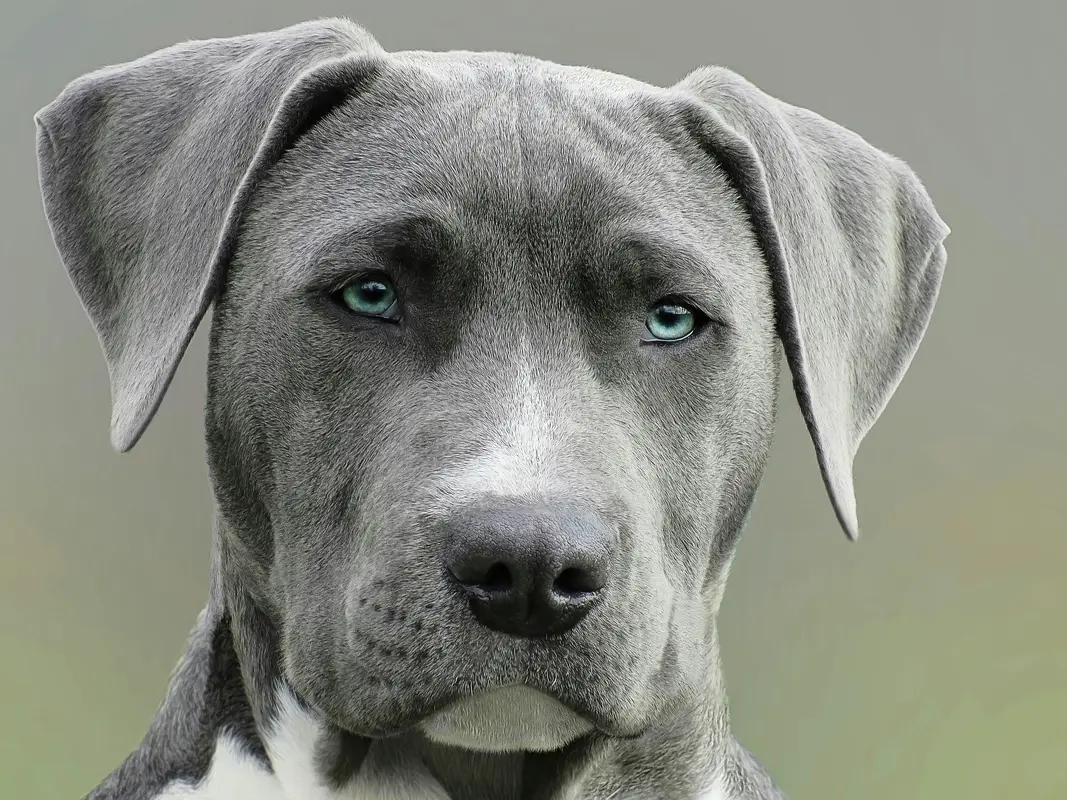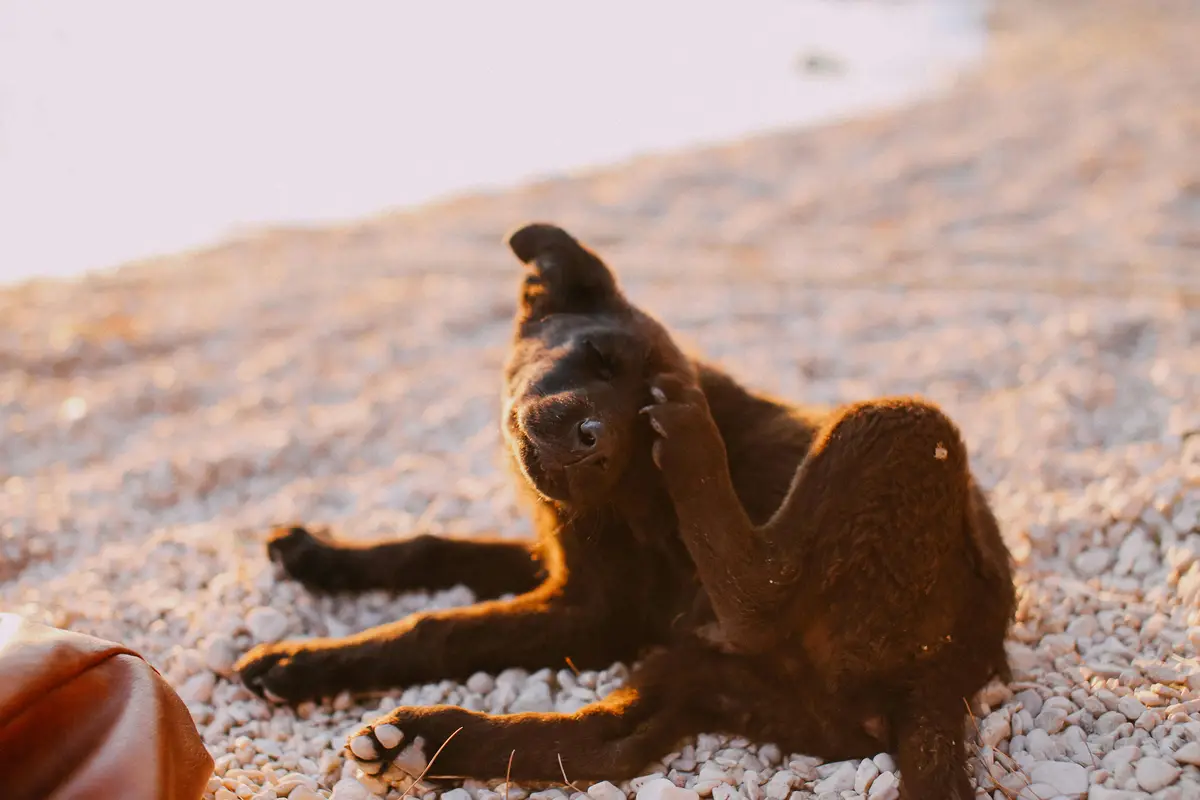
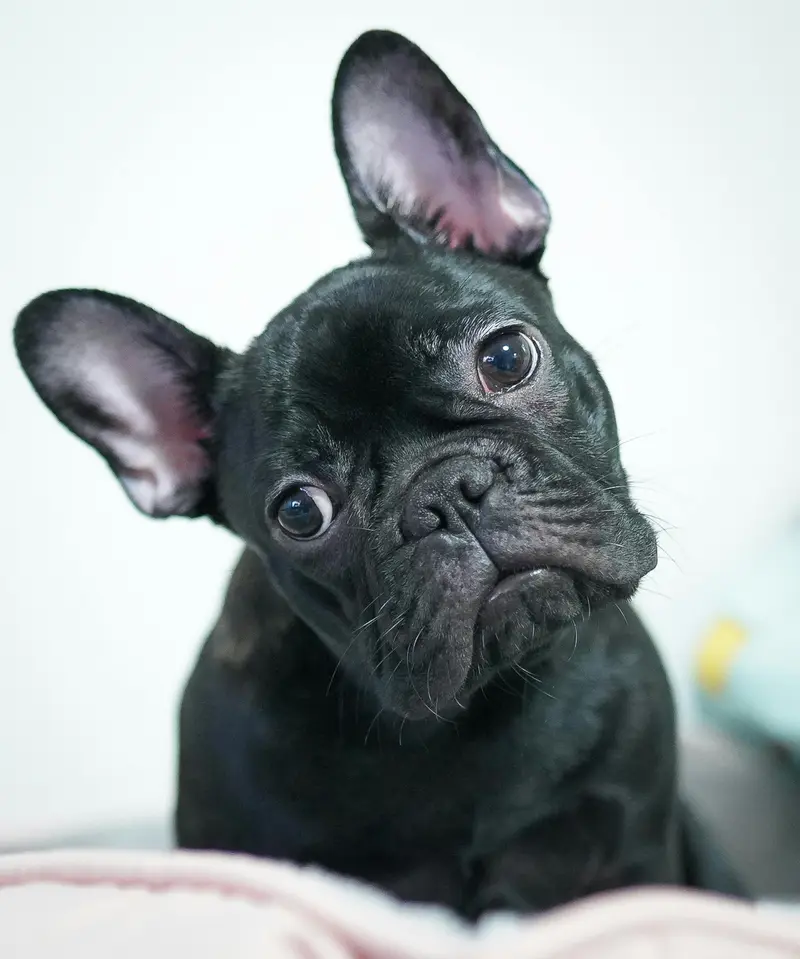
One of the most charming behaviors dogs display is the classic doggy head tilt. You say a word, and your dog shifts its head to one side like it’s trying to understand. But what causes this reaction? Is it a sign of curiosity, better hearing, or something deeper?
Researchers in canine behavior have proposed a variety of explanations. Whether it’s to hear us better, understand our facial expressions, or respond to words they know, dogs may be doing more than just looking cute.
1. To Fine-Tune Hearing
Dogs use head tilting to adjust the position of their ears. This can help them identify where a sound is coming from. Since dogs can hear a wide range of frequencies, tilting the head in response to a specific sound may help isolate it more clearly.
In some breeds, the snout can block part of their hearing path. A slight tilt helps them open up that line of sound and react accordingly. This behavior in response to specific tones or cues is especially common in dogs that have been trained to respond to words.
2. To See Our Faces More Clearly
Some researchers believe that dogs tilt their heads to get a better view of our facial expressions. Long-nosed dogs in particular may have trouble seeing directly in front of them. By tilting their heads, they reposition their view to observe our face and eyes more clearly.
A 2013 study found that head tilts were more common in dogs with longer muzzles, supporting the idea that this movement helps them better engage with their owners visually.
3. To Process Human Words
Dogs don’t just respond to tone; they also recognize specific words. A 2021 study published in Animal Cognition found that dogs who excel at word learning tend to tilt their heads more often.
The canine head tilt in this context may reflect a dog’s mental focus. They are hearing a known word and processing what it means. This isn’t just normal behavior—it suggests active engagement and problem-solving.
4. Because of Positive Reinforcement
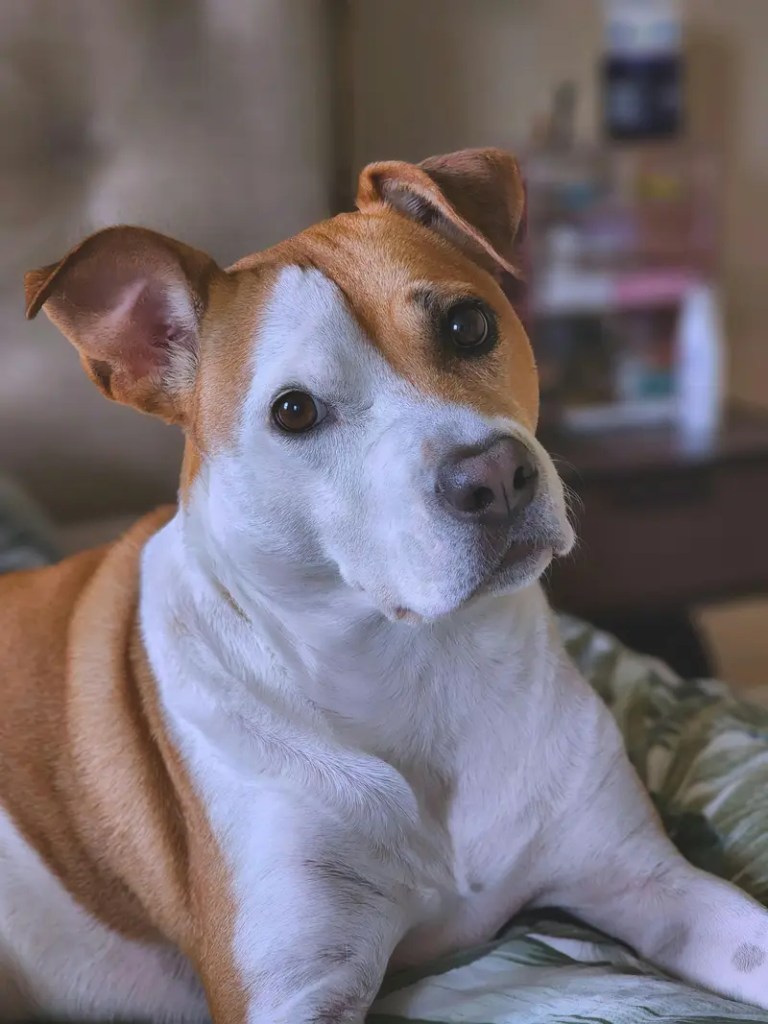
Many dogs tilt their heads because they’ve learned that it gets attention. If your dog tilts and you respond with affection, a treat, or laughter, they’re likely to do it again.
This is a form of positive reinforcement. The more we reward the behavior, the more likely it becomes a consistent part of the dog’s responses. Over time, the head tilt becomes a socially learned habit.
5. When It’s a Medical Concern
Not all head tilts are harmless. A persistent head tilt that happens without obvious cause could signal a medical issue. One common problem is an ear infection, which can affect balance and cause discomfort.
More serious conditions include vestibular disease and vestibular syndrome. Both involve the inner ear and brain areas that control balance. These conditions may make your dog seem dizzy or cause their eyes to move oddly. If your dog shows any signs of disorientation or unsteadiness, you should contact your vet.
Final Thoughts
The doggy head tilt is more than a cute quirk. It can reflect complex behaviors like sound localization, recognition of facial expressions, word comprehension, and social learning. In rare cases, it can also signal health issues such as an ear infection or vestibular disease. Read more here!
Understanding what’s behind the head tilt helps us connect more deeply with our canine friends. Whether your dog is reacting to a word, a sound, or your smile, they’re showing you just how attentive and intelligent they really are. Read more about dog personalities here!