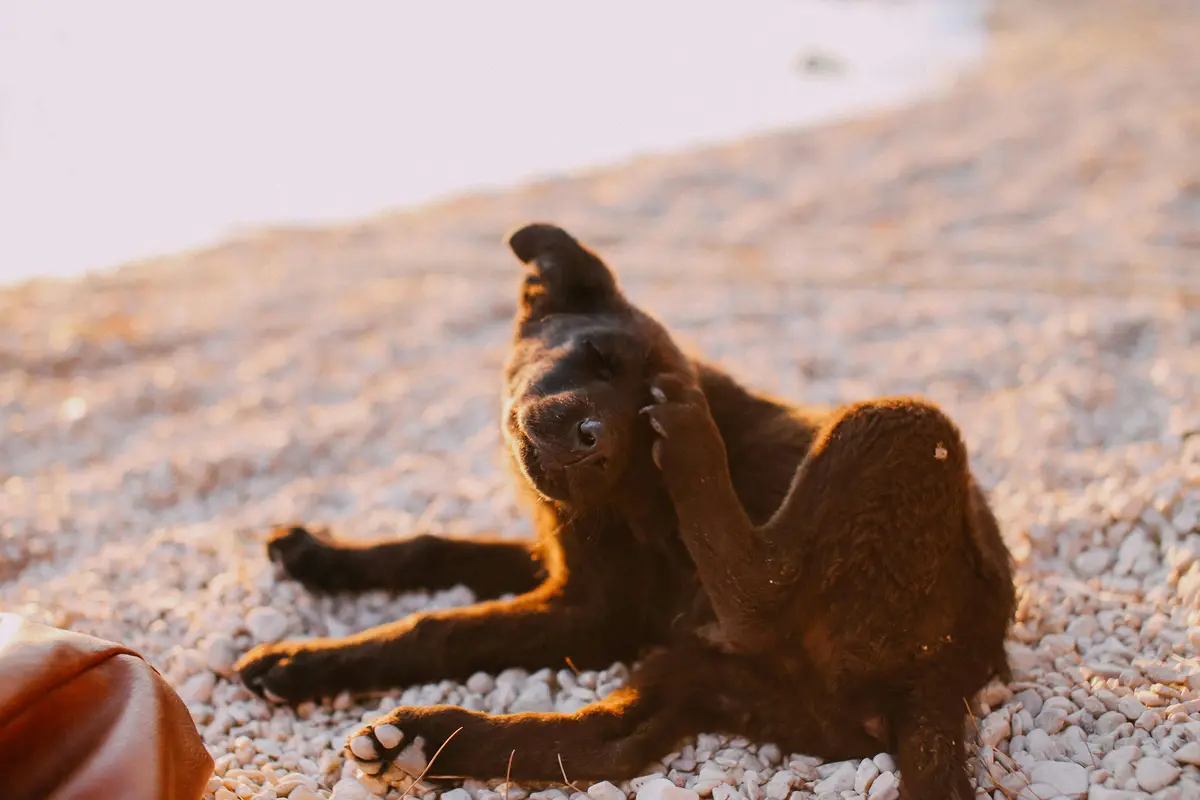

Socializing your puppy is one of the most important steps you can take to ensure they grow up to be a happy, confident, and well-adjusted dog. Proper socialization helps prevent behavioral issues, reduces anxiety, and promotes social skills and positive interactions with other dogs, people, and environments. In this blog, we’ll cover essential tips and strategies for an effective socialization process for your puppy.
1. Start Early
Importance of Early Socialization
- Critical Socialization Period: The ideal time for socialization is between 3 and 14 weeks of age. During this period, puppies are most receptive to new experiences.
- Lasting Impact: Positive experiences during this time can have a lasting impact on your puppy’s behavior and personality.
Early Exposure
- Introduce Gradually: Begin introducing your puppy to new experiences, people, and environments slowly and gently.
- Controlled Environment: Ensure the settings are safe and controlled to prevent overwhelming your puppy.
2. Diverse Experiences
Meeting People
- Variety of People: Expose your puppy to different types of people, including children, adults, men, and women.
- Positive Interactions: Encourage people to give treats and gentle pets to create positive associations.
Other Animals
- Playdates: Arrange playdates with other vaccinated puppies and friendly adult dogs to get them accustomed to proper socialization.
- Supervised Interactions: Always supervise these interactions to ensure they are safe and positive, especially when they are in their first months of age.

New Environments
- Different Settings: Take your puppy to various places such as parks, streets, pet-friendly stores, and friend’s homes.
- Positive Reinforcement: Use treats and praise to reward your puppy for calm behavior in new environments.
3. Gradual Introductions
Sounds and Surfaces
- Different Sounds: Expose your puppy to different sounds like household noises, traffic, and nature sounds.
- Various Surfaces: Let your puppy walk on different surfaces like grass, concrete, carpet, and gravel.
Handling and Grooming
- Regular Handling: Get your puppy used to being touched, including their paws, ears, and mouth.
- Grooming Routine: Introduce grooming tools like brushes, nail clippers, and toothbrushes early on.
4. Training and Socialization Classes
Puppy Classes
- Structured Environment: Socializing your puppy can be done by enrolling them in a puppy socialization class where they can interact with other puppies and learn basic obedience.
- Professional Guidance: Classes led by experienced trainers provide valuable guidance and tips.
Basic Commands
- Obedience Training: Teach basic commands such as sit, stay, and come, which can help manage your puppy in social situations.
- Positive Reinforcement: Use positive reinforcement techniques like treats and praise to encourage good behavior.
5. Handling Fear and Anxiety
Recognizing Signs
- Subtle Cues: Learn to recognize signs of fear and anxiety in your puppy, such as trembling, cowering, or excessive barking.
- Respect Boundaries: Never force your puppy into a situation that makes them uncomfortable. Gradually build their confidence.
Building Confidence
- Desensitization: Gradually expose your puppy to the feared object or situation at a distance and slowly decrease the distance over time.
- Counterconditioning: Pair the feared object or situation with something positive, like treats or play.
6. Consistency and Patience
Routine Exposure
- Regular Outings: Consistently take your puppy out to experience new things regularly.
- Patience is Key: Socialization is an ongoing process. Be patient and understanding as your puppy learns and adapts.
Positive Experiences
- Rewarding Experiences: Make every new experience as positive as possible for your puppy.
- Celebrate Progress: Acknowledge and celebrate your puppy’s progress, no matter how small.
Conclusion
Socializing your puppy is a vital part of raising a well-adjusted, happy, and confident dog. By starting early, exposing them to a variety of experiences, and using positive reinforcement, you can help your puppy navigate the world with ease. Remember, consistency and patience are essential. Check out our other blogs here to learn more tips on raising a healthy pet, and happy socializing!