

As pet owners, our furry friends bring immense joy and companionship into our lives. We pamper them with treats, snuggles, and love, but sometimes we overlook one crucial aspect of their well-being—maintaining a healthy weight. Pet Obesity Awareness Day is an annual reminder of the importance of keeping our pets in shape for their health and longevity.
In this blog, we will discuss why maintaining a healthy weight is critical for pets, the risks associated with obesity, and offer practical tips for managing your pet’s weight through diet and exercise. Let’s help our pets live their best, healthiest lives!
The Importance of Maintaining a Healthy Weight in Pets
Just like humans, pets are vulnerable to weight-related health issues. Unfortunately, pet obesity is a growing problem worldwide, with estimates suggesting that over 50% of cats and dogs in the U.S. are overweight or obese. This extra weight isn’t just cosmetic—it can significantly impact your pet’s quality of life.
Excess weight in pets can lead to:
- Joint problems and arthritis: Extra pounds put added stress on your pet’s joints, increasing the likelihood of arthritis, hip dysplasia, and mobility issues.
- Heart disease and high blood pressure: Overweight pets are at a higher risk of cardiovascular issues, including heart disease and hypertension.
- Diabetes: Pets, particularly cats, who are obese are more prone to developing diabetes, which can be costly and difficult to manage.
- Shortened lifespan: Studies have shown that obese pets can have shorter lifespans, reducing the years they spend with their loving families.
A healthy weight allows your pet to move freely, remain active, and lowers the risk of chronic diseases. More importantly, a fit pet is happier and more energetic, ready to enjoy life to the fullest.
Identifying If Your Pet is Overweight
Recognizing that your pet may be overweight can be challenging, especially since pets come in all shapes and sizes. To get a clear idea of whether your pet is at a healthy weight, follow these basic steps:
- Check their ribs: You should be able to feel your pet’s ribs with slight pressure but not see them prominently.
- Observe their waist: When viewed from above, your pet should have an observable waistline. If the waist is not visible, it may be a sign that your pet is carrying extra weight.
- Look at their profile: When viewed from the side, pets should have an abdominal tuck (a slight upward slope of the stomach) rather than a bulging belly.
If you’re unsure, consult your veterinarian, who can help assess your pet’s weight and recommend a healthy target weight based on their breed, age, and overall health.
Tips for Managing Your Pet’s Weight
Once you’ve identified that your pet could benefit from some weight management, it’s time to take action. Here are practical steps to ensure your pet achieves and maintains a healthy weight:
1. Portion Control and Measured Feeding
One of the biggest contributors to pet obesity is overfeeding. It’s easy to give extra treats or pour a little too much kibble into the bowl. However, keeping your pet’s portions in check is crucial.
- Measure meals: Use a measuring cup to ensure your pet gets the appropriate amount of food for their size and activity level. Avoid free feeding (leaving food out all day) as it can lead to overeating.
- Check the feeding guidelines: Pet food labels often have feeding recommendations based on your pet’s weight. Your vet can also help determine the appropriate caloric intake for your pet.
2. Healthy Treats in Moderation
Treats are a great way to reward good behavior and bond with your pet, but it’s important to offer them in moderation.
- Low-calorie treats: Opt for low-calorie, healthy treats like carrots, cucumbers, or specially-formulated low-fat pet treats.
- Use treats as motivation: Incorporate treats into your pet’s exercise routine, such as using them for training or as rewards during playtime.
3. Regular Exercise
Exercise is essential for keeping your pet fit and burning off excess calories. The amount and type of exercise will depend on your pet’s breed, age, and physical condition.
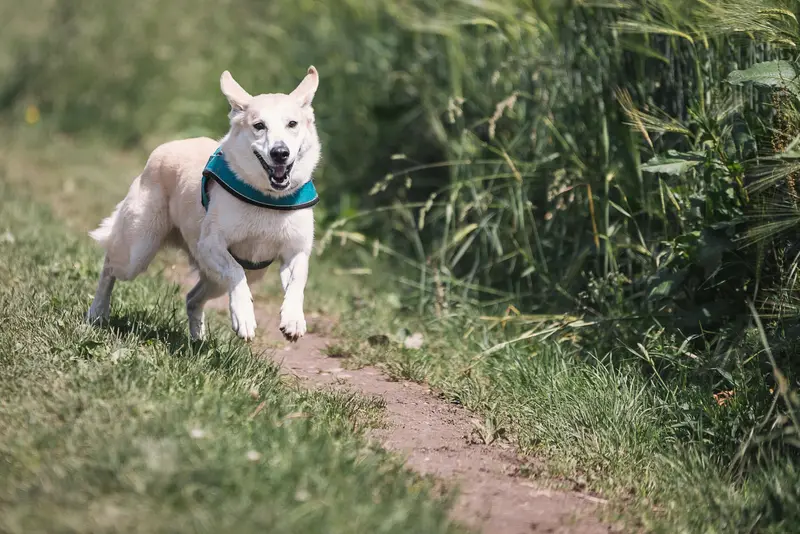
- Daily walks for dogs: Regular walks or jogs with your dog are a great way to help them stay active. Aim for at least 30 minutes to an hour of activity each day, depending on their needs.
- Interactive play for cats: Engage your cat in play with toys like feather wands, laser pointers, or even a simple ball of paper. Cats are natural hunters, so they’ll enjoy chasing and pouncing on objects.
- Play sessions for small pets: Even small pets like rabbits or guinea pigs need exercise. Create space for them to roam and explore safely.
4. Monitoring Progress
Weight loss and maintenance for pets should be a gradual process. Quick fixes are neither healthy nor sustainable. Weigh your pet regularly (you can often do this at your vet’s office) and track their progress.
- Keep a weight journal: Record your pet’s weight every few weeks and note any changes in behavior or activity levels. This will help you stay on track.
- Visit the vet: Regular vet check-ups are vital in monitoring your pet’s overall health and ensuring they’re losing weight at a safe, healthy pace.
Conclusion: A Healthier Pet, A Happier Life
On Pet Obesity Awareness Day, let’s commit to taking proactive steps toward managing our pets’ weight. A healthy weight contributes to a happier, longer life for our furry friends. With balanced portions, healthier treats, regular exercise, and consistent monitoring, you can help your pet stay fit, active, and full of life.
Remember, you are your pet’s biggest advocate in their health journey. By making small changes now, you’ll provide them with a better quality of life and many more joyful moments by your side. Equally as important as their weight is their dental health!