
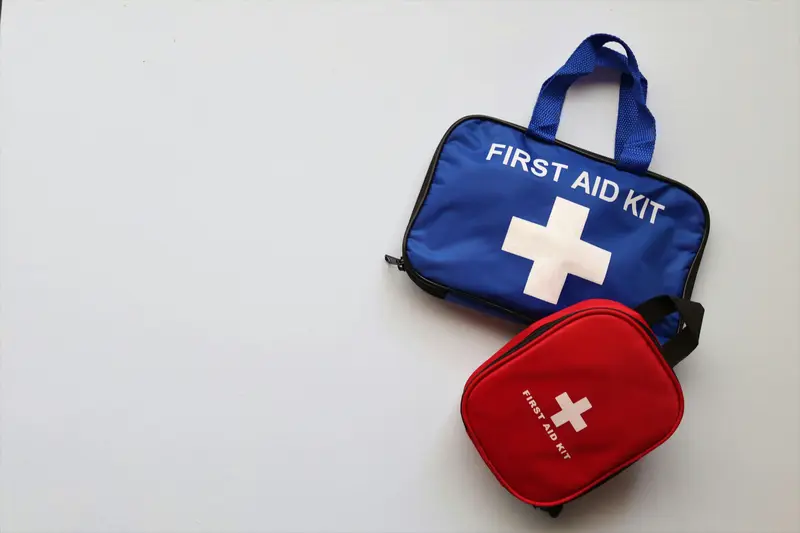
A pet first aid kit is one of the simplest ways pet owners can prepare for a pet emergency. Minor doggie injuries, sudden heat stroke, or an accident on the road can happen without warning. Having a well stocked First Aid Kit at home and a smaller dog first-aid kit in the car gives pet parents a calm starting point until a veterinary professional can take over.
This guide walks through what to do before you even open the kit, followed by a practical checklist of items and what each one is for. The goal is preparedness, not replacing professional care.
What to Do Before You Open the Kit
Before reaching for supplies, pause and assess the situation.
First, ensure your own safety. An injured or frightened animal may bite or scratch, even if they are usually gentle. If needed, use a towel or blanket as a barrier and speak calmly.
Second, evaluate the severity of the situation. Heavy bleeding, difficulty breathing, collapse, seizures, or suspected poisoning are all signs of a true pet emergency. In these cases, call your veterinarian, an emergency clinic, or the Pet Poison Helpline immediately before attempting treatment. If your pet is unresponsive, check their airway for obstructions and monitor their breathing and heartbeat. You may need to perform animal CPR or the Heimlich maneuver if directed by a veterinary professional.
Third, restrain your pet safely. A leash, carrier, or gentle wrap can prevent further injury. This step is especially important if a pet sitter is caring for your animal and needs clear instructions.
Finally, know your resources. Keep your veterinarian’s number, the nearest emergency clinic, and emergency contacts saved on your phone and written inside the kit bag. Reliable guidance from sources like your clinic’s web page can help you stay focused under stress.
What to Keep in Your Pet First Aid Kit
Wound Care Basics
Gauze pads are essential for covering wounds, applying pressure to bleeding, and cushioning injuries. They should be sterile and individually wrapped if possible.
A Crepe Bandage or similar wrap helps secure gauze pads in place and provides light support for sprains. Avoid wrapping too tightly, as this can restrict circulation.
Antibiotic ointment can be applied to small cuts and scrapes to reduce the risk of infection. Use products without added pain relievers, which can be harmful to pets.
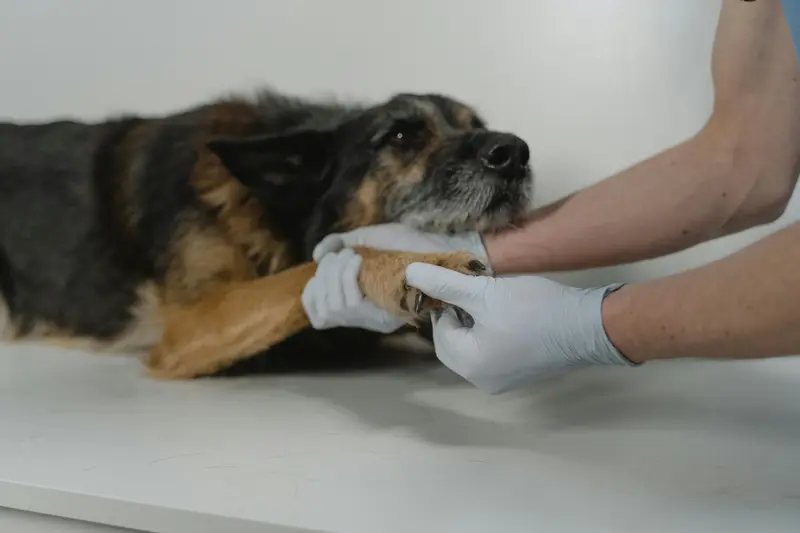
Styptic powder or cornstarch is useful for stopping minor bleeding, especially from torn nails. This is a common issue in dog first aid situations.
Cotton Swabs are helpful for gently cleaning around wounds or applying ointment, but they should not be inserted deep into ears or wounds.
Tools and Support Items
Tongue Depressors can be used as temporary splints for small limbs or to help examine the mouth if it is safe to do so.
An oral syringe allows you to flush a wound with clean water or administer liquid medication if directed by a veterinary professional.
Blunt-tipped scissors are useful for cutting bandages, adhesive tape, or fur around a wound without risking additional injury.
A flashlight provides better visibility when treating your pet, especially if an emergency occurs at night or in dim conditions.
Disposable gloves protect both you and your pet from contamination and should always be included.
A digital thermometer designed for pets can help identify fever or heat stroke. The normal temperature range for dogs and cats is typically 101–102.5°F. Always use lubricant and follow proper technique.
Medications
Antihistamines can help treat allergic reactions such as bee stings or insect bites, but always consult your vet for the correct dosage before administering them.
Activated charcoal may be used in certain poisoning cases, but must only be administered under veterinary supervision. Keep it in the kit as a precaution.
Never use human pain relievers on your pet unless specifically advised by a veterinarian, as many are toxic to dogs and cats.
Emergency and Safety Supplies
Hydrogen peroxide should only be used under veterinary guidance. It may be recommended to induce vomiting in specific poisoning cases, but improper use can cause harm. Keep it in the kit but do not use it without instruction.
A muzzle or soft wrap can prevent bites during painful treatments, even from familiar pets.
A blanket or towel helps keep an injured pet warm or can be used as a stretcher for transport.
A pet carrier is essential for safely transporting injured or frightened pets to the vet, especially cats and smaller dogs. Keep a collar and leash in the kit as well.
Information and Records
Medical records and vaccination records should be stored in a waterproof pouch inside the kit bag. These documents are invaluable if you must visit an unfamiliar clinic or travel with your pet.
Include a list of medications your pet takes, known allergies, and contact details for your regular veterinarian and a trusted pet sitter. It is also helpful to print out step-by-step instructions for handling common emergencies like choking, poisoning, or bleeding, so you have a quick reference when stress is high.
Keeping Kits at Home and in the Car
Ideally, pet owners maintain two kits. A full pet first aid kit at home and a compact dog first-aid kit or general pet kit in the car. The car kit should focus on bleeding control, restraint, and emergency contacts, since travel increases the risk of accidents.
Check both kits every six months. Replace expired items, refresh medical records, and restock supplies you have used.
Final Thoughts
A First Aid Kit does not replace professional veterinary care, but it gives pet parents a critical head start in a pet emergency. Knowing what each item is for and what to do before you even open the kit can reduce panic and improve outcomes.
Preparation is one of the most practical ways pet owners can protect the animals who depend on them, whether at home, on the road, or under the care of a pet sitter.