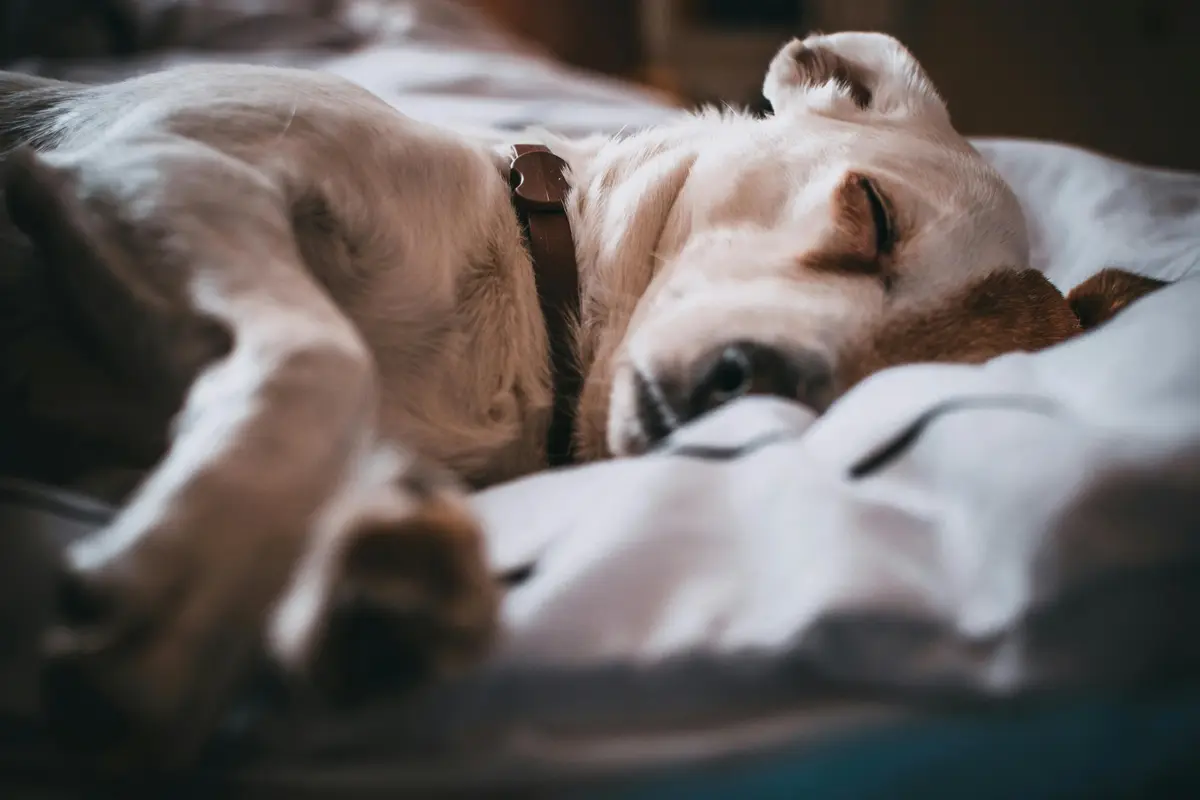
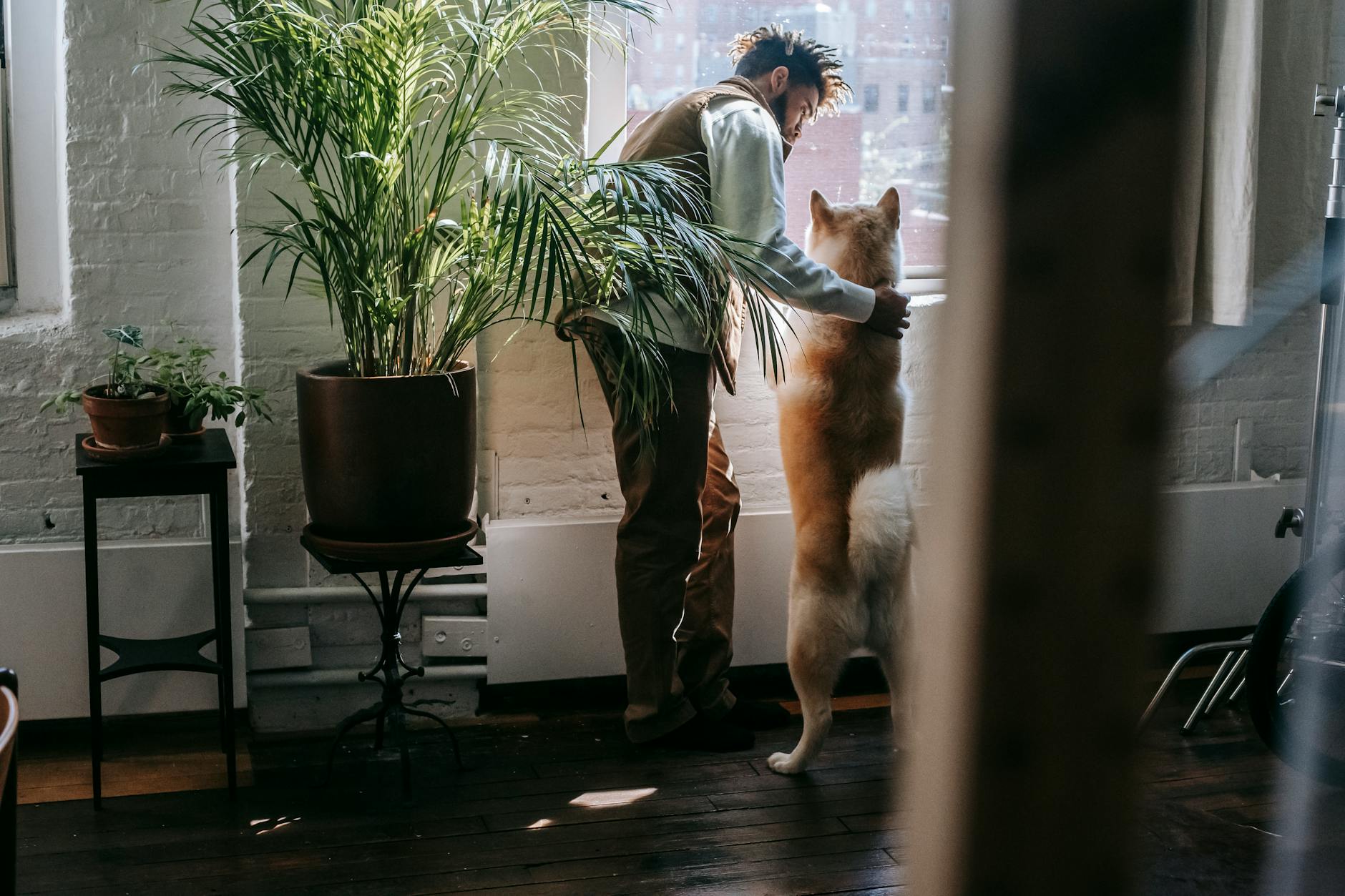
Living in an apartment or tiny home can offer a cozy and convenient lifestyle, but when you share your space with a furry friend, you may need to get creative to ensure that your pet is happy, healthy, and comfortable. Pet care in apartments and tiny homes presents unique challenges, but with the right approach, your pets can thrive in these more compact environments. Whether you’re living in a pet-friendly apartment or a tiny home, it’s important to consider how your pet’s needs—such as exercise, comfort, and access to veterinary care—can be met within limited space.
In this blog, we’ll explore some tips and ideas to help you create an environment that works for both you and your wonderful companions. From managing apartment life with pets to setting up comfortable areas for your furry friend, there are many ways to adapt your living space for a pet-friendly environment.
1. Making the Most of Limited Space
One of the biggest challenges when it comes to pet care in apartments and tiny homes is working within limited space. Whether you have a small studio or a tiny home, it’s important to design your living area with both your needs and your pet’s comfort in mind.
- Designate Pet Areas: While apartments and tiny homes might not offer expansive floor plans, setting up specific areas for your pet can help them feel secure. For instance, create a cozy nook or corner where your pet’s bed, toys, and other essentials can stay. This gives them their own space, making them feel more at home.
- Vertical Space: Maximize your available space by using vertical space, such as installing shelves or pet climbing structures for your cat. Cats love vertical spaces, and a wall-mounted perch can be the perfect spot for them to relax, watch outside activity, or play.
- Furniture with Multi-Use: Consider furniture pieces that double as storage for pet items. A stylish ottoman that opens up can store your pet’s litter box or toys, while a multi-purpose bench can provide both a seating area and a space for your pet’s accessories.
2. Exercise and Mental Stimulation
Living in a small apartment or tiny home doesn’t mean your pet has to be cooped up all day. In fact, keeping your pet active is essential for both their physical and mental well-being.
- Daily Walks and Outdoor Time: Pets need regular exercise, especially dogs. Make it a part of your routine to take them on daily walks or outdoor playtime. If you’re in an apartment building, find nearby parks or safe green spaces where you can exercise your pet. Urban areas often have dog parks where pets can run freely and socialize with other animals.
- Interactive Play: For pets that don’t have outdoor space readily available, you can engage them in interactive play. Use puzzle toys, treat dispensers, or laser pointers to keep your pet mentally engaged. For cats, a simple game of fetch with a ball or a feather wand can provide plenty of stimulation in a small space.
- Create a Pet-Friendly Routine: With a pet-friendly apartment, it’s easier to balance apartment life and pet care. Set a schedule for walks, playtime, and feeding to help your pet establish a routine, which can reduce anxiety and improve behavior in a small living space.
3. Managing Hygiene in a Small Living Space
Maintaining cleanliness in a pet-friendly apartment or tiny home is vital for both your and your pet’s comfort. When you have limited space, it’s essential to keep your living area tidy and odor-free, especially when it comes to pet waste.
- Litter Box Setup: If you have a cat, finding the right spot for the litter box is key. Ideally, the box should be in a quiet, low-traffic area to encourage your cat to use it. There are also many compact, odor-proof litter boxes on the market that fit well in small spaces and can help maintain hygiene.
- Regular Cleaning: Small living spaces require more frequent cleaning. Invest in a vacuum cleaner that can easily handle pet hair and dander. In addition, wipe down surfaces regularly to keep things tidy and free of pet-related messes.
- Air Fresheners or Dehumidifiers: In an apartment or tiny home, pet smells can sometimes linger. Consider using air purifiers, essential oils, or pet-safe deodorizers to maintain a fresh environment. These can be especially helpful in homes with limited ventilation.
4. Veterinary pet care in Apartments
Routine veterinary care is a crucial part of keeping your pet healthy, especially in smaller living environments. Regular check-ups, vaccinations, and preventative treatments can ensure that your pet remains in good health and can enjoy apartment life comfortably.
- Accessibility to Veterinary Care: One challenge that apartment and tiny home residents face is finding a nearby vet. It’s important to research local veterinary care options before adopting a pet or moving into a new apartment. Look for a vet that offers mobile services, or consider telemedicine for non-emergency concerns.
- Preventive Health Measures: In smaller spaces, pets can become more sedentary, especially without access to a yard. Regular exercise and mental stimulation can help prevent obesity and related health issues, such as joint pain or diabetes.
- Pet Insurance: Consider investing in pet insurance, especially if your pet has a history of health issues. Insurance can help cover veterinary visits, medications, and emergency care, ensuring that you’re financially prepared for any medical issues that arise.
5. Creating a Pet-Friendly Environment in a Tiny Home
Living in a tiny home can be even more challenging due to the space constraints. However, with careful planning, you can make it work for both you and your pet.
- Declutter Your Space: In a tiny home, every inch matters. Be intentional about what you bring into your home and keep only items that serve a purpose. Consider multi-functional furniture and storage solutions that also accommodate your pet’s needs.
- Pet-Safe Decor: If you have a small space, it’s especially important to choose pet-friendly decor that won’t break easily or pose a danger to your pet. Opt for durable fabrics, and secure any fragile objects from your pet’s reach.
- Pet Training: Train your pet to respect boundaries in a tiny home, such as no climbing on countertops or furniture. This will help keep your space organized and prevent accidents or damage to your home.
Conclusion: Pet Care in Apartments and Tiny Homes
Pet care in apartments and tiny homes is all about finding the balance between meeting your pet’s needs and making the most of your living space. With the right strategies—whether it’s finding creative storage solutions, ensuring adequate exercise, or providing regular veterinary care—you can create a home that’s comfortable for both you and your wonderful companions.
By understanding your pet’s unique needs and adapting your apartment life to fit those needs, you can make apartment living or tiny home life work for both you and your pet. With a little effort and creativity, your pet can enjoy a happy, healthy, and fulfilling life in any space, no matter how small it may be.
https://www.bettercitiesforpets.com/resource/design-considerations-for-pet-friendly-housing