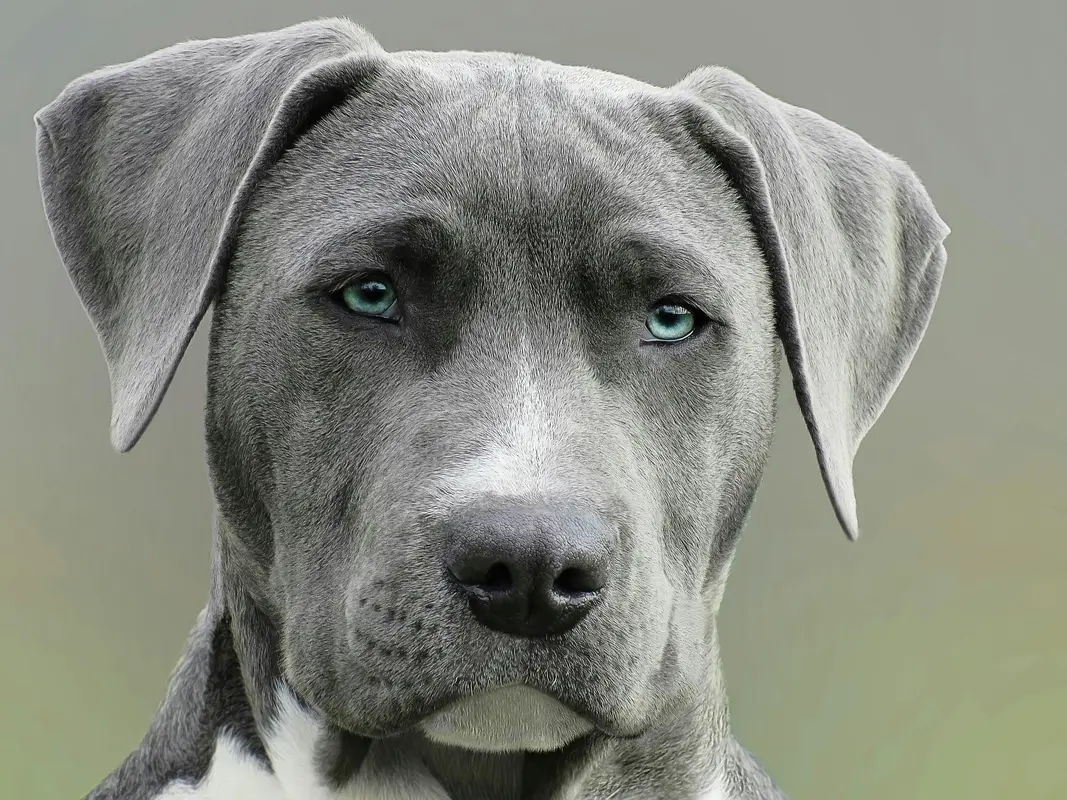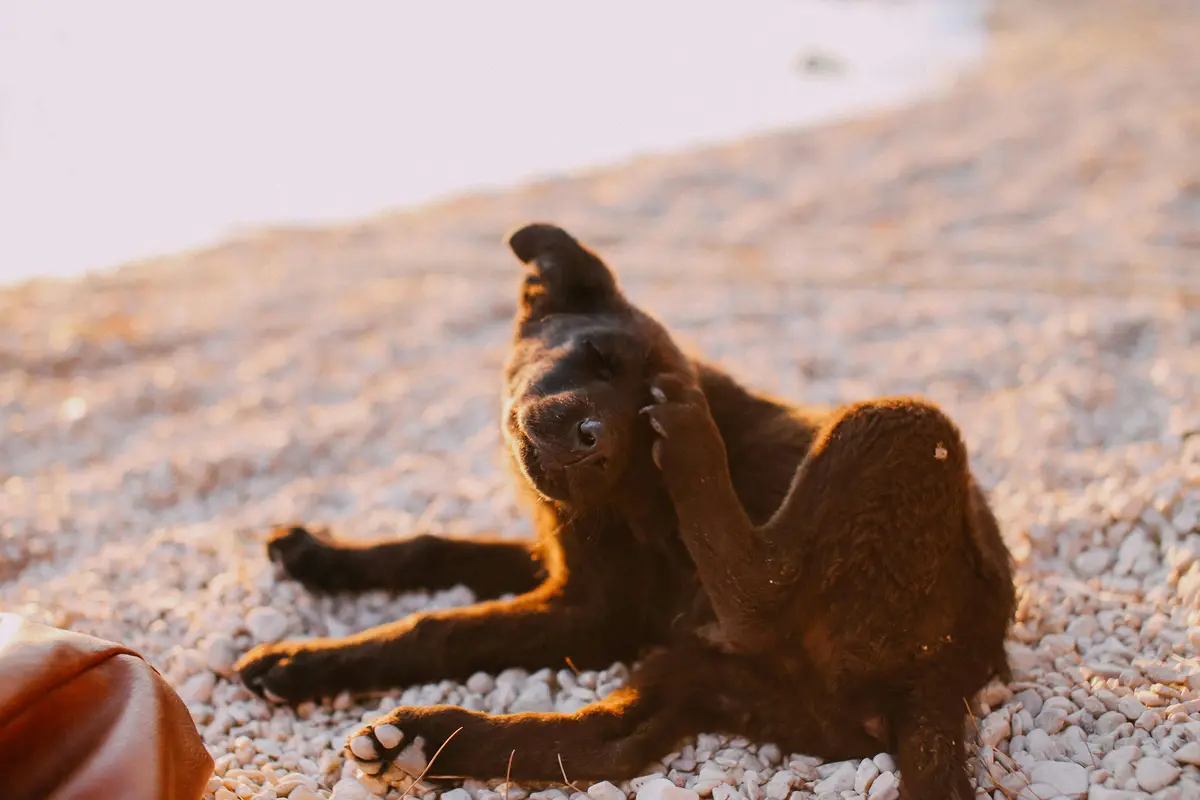

The holidays are full of warmth, laughter, and lots of tasty food. But while you’re piling your plate high with stuffing and sweets, your pets are probably sneaking glances at the dinner table, hoping for a bite. Before you slip your dog a treat or let your cat lick the gravy spoon this holiday season, it’s important for pet owners to know which holiday foods can be dangerous for pets. Some ingredients that are harmless to us can cause serious harm to animals.
Here’s a complete guide to common holiday foods that your furry family members should avoid.
1. chocolate and cocoa
Starting with one of the most well-known toxic foods for dogs and cats: chocolate. It contains theobromine, a substance that pets cannot process well. Dark chocolate and baking chocolate have the highest levels. Even small amounts can lead to vomiting, diarrhea, and in severe cases, seizures or heart problems. If your pet gets into the dessert tray, contact a vet immediately.
2. onions, garlic, and chives
These flavorful ingredients, especially onions and garlic, are often used in holiday dishes like stuffing and mashed potatoes. Unfortunately, they can damage a pet’s red blood cells, leading to anemia. Symptoms might not show up for a few days but can include weakness, vomiting, or pale gums.
3. turkey skin, bones, and fat trimmings
It might seem natural to toss your pet a turkey bone, but this can be a choking hazard or cause a tear in the digestive tract. Fatty pieces of meat or skin can also lead to pancreatitis, which is a painful and potentially life-threatening condition. Think before you feed your furry friend all the table scraps!
4. grapes and raisins
These tiny fruits may seem harmless, but they can cause kidney failure in dogs. Even just a few can be toxic. Since raisins often appear in holiday desserts like fruitcake or cinnamon rolls, it’s best to keep those far out of paw’s reach.
5. alcohol and raw dough
Pets are much more sensitive to alcohol than people. A small amount of wine or liquor can cause vomiting, lack of coordination, or even coma. Similarly, raw dough with yeast can expand inside your pet’s stomach and produce alcohol during digestion. This can be extremely dangerous.

6. artificial sweetners (especially xylitol)
Xylitol is found in sugar-free candies, baked goods, and even some peanut butter brands. It can cause a rapid drop in blood sugar and lead to seizures or liver failure in dogs. Always check labels before sharing treats.
7. nutmeg and other spices
Nutmeg is often used in holiday baking and can be harmful to pets. In large doses, it may cause hallucinations or seizures. Other spices like cinnamon can cause mouth and stomach irritation. It’s best to avoid sharing any spiced foods altogether.
8. dairy-based dishes
Many pets are lactose intolerant. Foods like creamy casseroles, cheesy appetizers, or whipped cream desserts can cause stomach upset, gas, or diarrhea. While it might be funny to see a dog with a milk mustache, the after-effects are usually not worth it.
9. salty snacks and gravy
Too much salt can lead to sodium poisoning, especially for smaller pets. Symptoms include vomiting, diarrhea, and tremors. Gravy, which is often salty and fatty, should also be skipped.
safe alternatives for pets
If you want your pet to join in on the holiday fun, there are safe ways to include them. Offer plain, cooked pumpkin or carrots, plain unseasoned baked sweet potatoes or green beans, a small bite of plain turkey breast (no skin or seasoning), or store-bought treats made just for pets. You can even find holiday-themed pet treats at most pet stores.
final thoughts
Your pets are part of the family and keeping them safe during the holiday season should be part of your plans. By staying aware of harmful holiday foods and keeping tempting treats out of reach, you can enjoy a festive season full of love, laughs, and tail wags.
further information
https://www.purina.com/articles/dog/health/nutrition/holiday-human-foods-dogs-can-and-cant-eat
https://www.chewy.com/education/dog/food-and-nutrition/holiday-foods-not-to-feed-dogs