Puppy biting is one of the most common challenges new dog owners face. Those tiny teeth may seem harmless at first, but without proper training, playful nipping can quickly turn into a frustrating habit. The good news? With patience and the right approach, you can teach your puppy to stop biting.
This guide covers how to stop puppy biting using gentle, effective training methods that build trust and encourage good behavior.
Why Do Puppies Bite?
Before addressing the behavior, it’s important to understand why it happens. Puppy biting is completely normal and serves several purposes.
Common reasons puppies bite:
- Teething discomfort (especially between 3–6 months)
- Exploring the world with their mouths
- Play behavior with humans or other dogs
- Seeking attention
- Excess energy or boredom
Biting isn’t “bad” behavior: it’s natural. The goal is to teach your puppy what’s appropriate and what isn’t.
When Puppy Biting Becomes a Problem
While normal, biting needs to be redirected early. If not corrected, it can lead to:
- Stronger, more painful bites as your puppy grows
- Difficulty socializing with people or other dogs
- Behavioral issues later in life
Learning how to stop puppy biting early sets the foundation for a well-behaved adult dog.
Gentle Training Methods That Work
1. Teach Bite Inhibition
Bite inhibition helps your puppy learn how much pressure is acceptable.
How to do it:
- When your puppy bites too hard, say “ouch!” in a calm but firm tone
- Immediately stop play and withdraw attention
- Resume play once your puppy calms down
This mimics how puppies learn boundaries when playing with littermates.
2. Redirect to Appropriate Chew Toys
Puppies need to chew. It’s part of their development!
What to do:
- Always have chew toys nearby
- When your puppy bites you, immediately offer a toy
- Praise them when they chew the toy instead
Consistency teaches your puppy what they should bite.
3. Use Positive Reinforcement
Reward-based training is one of the most effective and humane methods.
Tips for success:
- Praise calm, gentle behavior
- Offer treats when your puppy chooses toys over hands
- Reinforce good behavior immediately
Positive reinforcement builds trust and encourages repeat behavior.
4. Avoid Encouraging Rough Play
Sometimes, owners unintentionally reinforce biting.
Avoid:
- Using your hands as toys
- Wrestling or roughhousing
- Allowing biting during play
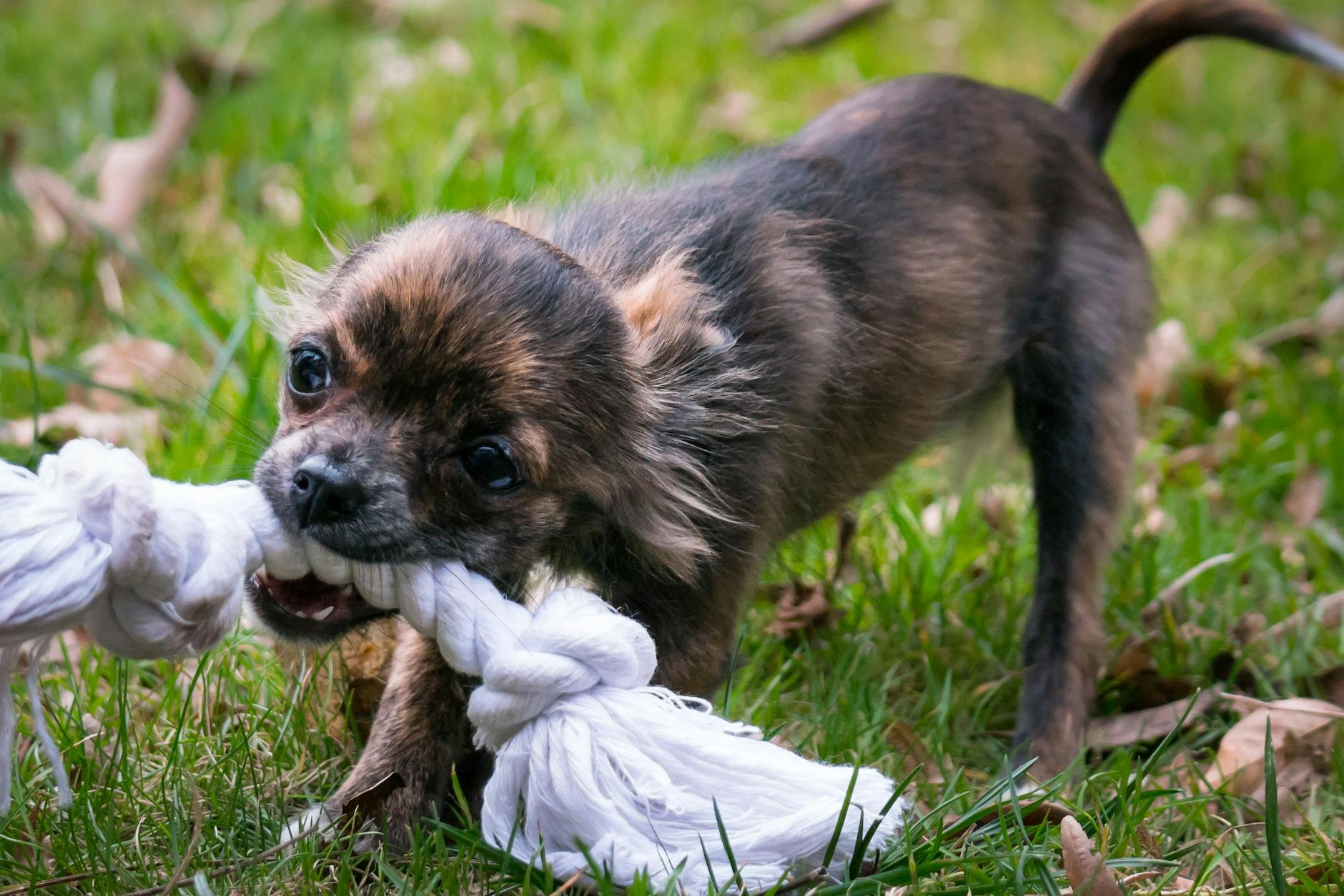
Instead, use structured games like fetch or tug with clear rules.
5. Give Your Puppy Enough Exercise
A tired puppy is a well-behaved puppy.
Daily needs:
- Regular walks (age-appropriate)
- Playtime and mental stimulation
- Puzzle toys or training exercises
Excess energy often leads to nipping and biting.
6. Take Breaks When Needed
If your puppy becomes overly excited, biting may increase.
What to do:
- Pause playtime
- Give your puppy a short break in a calm space
- Avoid punishment—focus on calming down
This teaches your puppy to regulate their energy.
What NOT to Do
When learning how to stop puppy biting, avoiding harmful methods is just as important.
Do NOT:
- Hit or physically punish your puppy
- Yell aggressively
- Hold their mouth shut
- Use fear-based training
These methods can damage trust and may lead to fear or aggression.
Creating a Puppy-Friendly Environment
Setting your puppy up for success makes training easier.
Helpful setup tips:
- Keep toys accessible in every room
- Puppy-proof your space
- Establish a consistent routine
- Provide a safe, comfortable rest area
A structured environment reduces confusion and unwanted behavior.
How Long Does It Take to Stop Puppy Biting?
Every puppy is different, but most improve significantly within a few weeks of consistent training.
Teething typically ends around 6 months, which also helps reduce biting. However, continued guidance is key to reinforcing good habits.
When to Seek Professional Help
If biting becomes aggressive or doesn’t improve, consider reaching out to a professional dog trainer or veterinarian.
Warning signs:
- Growling or snapping with intent
- Biting that breaks skin
- No improvement despite consistent training
Early intervention can prevent more serious behavioral issues.
Final Thoughts
Learning how to stop puppy biting takes time, patience, and consistency, but it’s absolutely achievable with gentle training techniques.
By focusing on bite inhibition, redirection, and positive reinforcement, you’ll help your puppy develop into a well-mannered, confident dog. Remember, your goal isn’t to stop your puppy from using their mouth entirely: it’s to teach them how to use it appropriately.
With the right approach, those playful nips will soon become gentle, happy interactions.