Bringing a pet into your home is exciting. It is also a little like living with a tiny explorer who uses their mouth, nose, and paws to investigate everything. Dogs and cats do not always know what is safe and what is dangerous. A loose pill, a dangling cord, or an open trash can may look harmless to you, but to a curious pet, it can turn into trouble fast. If you pet proof your home, you can help lower the risk of choking, poisoning, injury, and escape.
The good news is that you do not need to make your house perfect. You just need to make it safer, one room at a time.
Why pet proofing matters
Pets are naturally curious. Puppies chew. Kittens climb. Even older pets can get into things when they are bored, anxious, or hungry. Common household items like cleaning sprays, human food, medications, cords, and small toys can all create real danger.
A safer home does more than prevent emergencies. It also gives your pet a calmer place to learn, rest, and settle in.
Kitchen
The kitchen is one of the most common trouble spots in the home. It is full of smells, food, sharp objects, and things that can spill.
Focus on these basics:
- Store toxic foods out of reach, including chocolate, grapes, raisins, onions, garlic, xylitol, alcohol, and cooked bones
- Use a trash can with a secure lid or keep it inside a cabinet
- Put cleaning sprays, bleach, and dish pods in closed cabinets
- Tuck away cords from small appliances like toasters and coffee makers
- Use baby gates if needed, especially during cooking
Living room
The living room feels safe, but it often hides a lot of everyday risks.
Check for these common hazards:
- Cover or hide TV cords, lamp cords, and chargers
- Pick up small items like batteries, coins, earbuds, rubber bands, and children’s toys
- Move unsafe houseplants out of reach
- Secure heavy furniture, lamps, and decorations
- Keep candles, diffusers, potpourri, and fragile items away from curious pets
Bedroom and bathroom
Bedrooms and bathrooms often contain small, easy-to-miss items that can cause big problems.
In these rooms, make sure to:
- Put medications, vitamins, and supplements away in drawers or cabinets
- Keep laundry in a hamper with a lid so socks and other fabric do not become chew toys
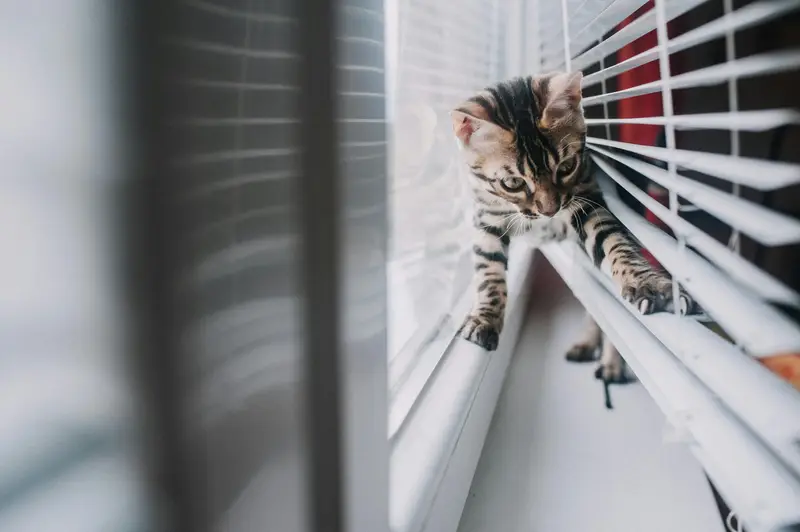
- Tie up blind cords and keep loose wires out of reach
- Store lotions, razors, nail tools, floss, hair ties, and perfumes safely
- Use a covered trash can in the bathroom
- Close the toilet lid to keep pets from drinking from it
It also helps to create a quiet resting space, such as a pet bed, crate, or calm corner where your pet can settle down.
Yard and outdoor spaces
Your yard should feel like a safe place to play, not a place full of hidden surprises.
Walk through the space and look for:
- Gaps in fences, loose boards, broken latches, or places where a dog could dig under
- Fertilizers, pesticides, weed killers, cocoa mulch, or other chemicals that should be locked away
- Toxic plants your pet may chew
- Sharp debris like sticks, nails, broken pots, or yard tools
- Unsafe access to pools, sheds, or garages
Make sure your pet also has access to shade and clean water any time they are outside.
A few extra ways to make your home safer
Achieving a pet proof house is not only about removing danger. It is also about setting your pet up to succeed.
A few habits can help:
- Put things away right after you use them
- Give pets safe chew toys, puzzle feeders, or scratching posts so they are less likely to explore unsafe items
- Get down to your pet’s height and look around the room from their point of view
When to call your vet
Even careful pet owners can miss something. Call your vet if your pet chews a cord, swallows a foreign object, eats something toxic, gets into medication, or starts acting unusual after getting into something at home.
Signs that deserve quick attention include:
- Vomiting
- Diarrhea
- Drooling
- Shaking
- Weakness
- Trouble breathing
- Pale gums
- Collapse
- Repeated attempts to vomit
Final thoughts
To pet proof your home is not to be paranoid. It is about making daily life safer for the animal who trusts you. Start with the rooms your pet uses most, fix the biggest hazards first, and build from there.
A few small changes can make a big difference. A tucked away cord, a locked cabinet, and a secure trash can may not look exciting, but they can help keep your pet safe while they do what pets do best, sniffing out adventure in every corner.
further information
https://www.americanhumane.org/public-education/pet-proofing-your-home
https://www.extraspace.com/blog/home-organization/a-room-by-room-guide-to-pet-proofing-your-home