
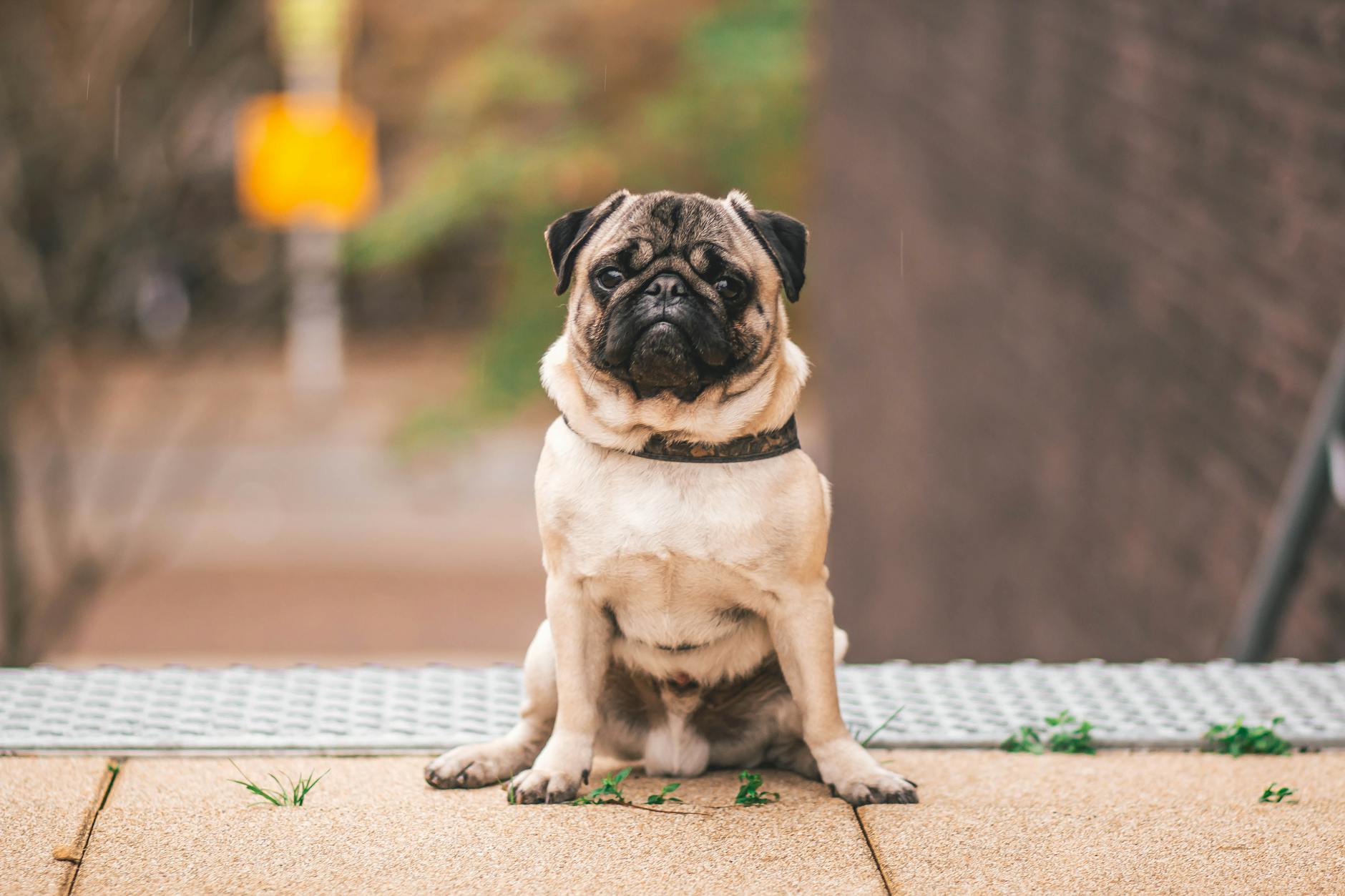
A calm dog is not just a matter of personality, it is often the result of structure, predictability, and meeting your dog’s physical and emotional needs. Many behavioral issues such as excessive barking, pacing, destructive chewing, or restlessness stem from anxiety or overstimulation. One of the most effective ways to address these issues is by creating a consistent daily routine for dogs.
Dogs thrive on predictability. Knowing what to expect throughout the day helps them feel secure, reduces stress, and supports emotional balance. Whether you have a high-energy puppy or an older dog struggling with anxiety, a well-planned daily routine for dogs can make a noticeable difference in their behavior and overall well-being.
This guide will walk you through how to build a calming daily routine for dogs, why routines matter, and how to adjust the schedule to fit your dog’s individual needs.
Why a Daily Routine for Dogs Promotes Calm Behavior
Dogs are creatures of habit. In the wild, their ancestors relied on consistent patterns for hunting, resting, and social interaction. While modern dogs live very different lives, that need for structure remains.
A predictable daily routine for dogs helps:
- Reduce anxiety by eliminating uncertainty
- Prevent boredom and frustration
- Improve sleep quality
- Support healthy digestion and energy regulation
- Reinforce positive behavior
When dogs know when they will eat, exercise, play, and rest, they are less likely to remain on high alert throughout the day. This sense of security is a key factor in creating calm behavior.
Start With a Consistent Morning Routine
The way your dog starts the day often sets the tone for their behavior. A calm, structured morning routine prevents overstimulation and anxious energy buildup.
Morning Potty Break
Begin the day with a predictable potty break at the same time each morning. This helps regulate your dog’s internal clock and reduces stress associated with holding it too long.
Exercise Before Excitement
One of the most important elements of a daily routine for dogs is morning exercise. Physical activity early in the day helps release pent-up energy and promotes relaxation later.
Depending on your dog’s breed and age, this may include:
- A structured walk
- Light jogging
- Fetch or controlled play
- Sniffing walks for mental stimulation
Avoid overly chaotic play first thing in the morning, as this can spike adrenaline rather than promote calmness.
Breakfast at a Set Time
Feeding your dog at the same time each morning adds another layer of predictability. Using puzzle feeders or slow feeders can further enhance calm behavior by encouraging focused, mentally engaging eating.
Balance Physical Exercise Throughout the Day
A common mistake is either under-exercising or over-exercising dogs. Both can lead to anxiety and restlessness. A well-designed daily routine for dogs balances activity with rest.
Appropriate Exercise Levels
Not all dogs need the same amount of exercise. High-energy working breeds may require multiple structured activities, while smaller or senior dogs may need less intense movement.
Signs your dog is getting enough exercise include:
- Relaxed body posture
- Calm behavior indoors
- Consistent sleep patterns
Excessive hyperactivity or destructive behavior often signals unmet exercise needs.
Avoid Unpredictable Activity Spikes
Random bursts of intense activity can make it harder for dogs to settle. Instead, schedule exercise at similar times each day so your dog learns when to expect stimulation and when to relax. Check out this link to find out more about possible indoor physical activities for your dog!
Use Mental Stimulation to Reduce Anxiety
Mental stimulation is just as important as physical exercise in a daily routine for dogs. Dogs that are mentally fulfilled are less likely to develop nervous habits.
Effective mental enrichment includes:
- Puzzle toys
- Training sessions
- Sniffing games
- Food-dispensing toys
Short, structured training sessions throughout the day help build confidence and reinforce calm behavior. Even five to ten minutes of focused work can have a soothing effect.
Schedule Rest and Downtime Intentionally
Many dog owners unintentionally keep their dogs overstimulated all day. A calm daily routine for dogs includes intentional rest periods.
Create a Designated Rest Area
Dogs benefit from having a quiet, comfortable place to relax. This may be a crate, dog bed, or low-traffic room. When rest time is built into the daily routine for dogs, they learn that relaxation is expected, not optional.
Encourage Calm Behavior
Reward your dog for settling quietly rather than constantly engaging them. Calm behavior should be reinforced just as much as active behavior.
Maintain Consistent Feeding Times
Regular feeding schedules support digestion and emotional stability. Irregular meal times can contribute to anxiety, begging, and food-related stress.
In a calming daily routine for dogs:
- Meals happen at the same times each day
- Treats are used intentionally, not randomly
- Feeding is calm, not rushed or chaotic
Consistency helps regulate your dog’s energy levels and reduces anticipatory stress around food. To learn more about how to feed your dog, click here!
Incorporate Predictable Training Sessions
Training is not just about obedience, but it is a powerful tool for building confidence. Dogs that understand expectations feel more secure.
Short, positive training sessions should be part of your daily routine for dogs. Focus on:
- Basic cues
- Impulse control exercises
- Calm behaviors like place or settle
Training provides mental stimulation while reinforcing structure and communication.
Create a Calm Evening Routine
Just as mornings matter, evenings play a major role in helping dogs wind down.
Evening Walk or Light Activity
A gentle walk or low-intensity play session in the evening helps release remaining energy without overstimulation.
Reduce Stimulation Before Bed
Avoid intense play, loud environments, or excessive excitement close to bedtime. Dim lights, quiet voices, and calm activities signal to your dog that the day is ending.
Consistent Bedtime
A set bedtime is a critical part of a daily routine for dogs. Consistent sleep schedules improve emotional regulation and reduce nighttime restlessness.
Adjust the Routine Based on Your Dog’s Needs
No two dogs are the same. Puppies, adult dogs, seniors, and dogs with anxiety disorders all require different levels of structure.
When adjusting your daily routine for dogs, consider:
- Age and energy level
- Breed tendencies
- Health conditions
- Past experiences or trauma
Consistency matters more than perfection. Even small routines, when followed daily, can have a calming effect.
Common Mistakes That Disrupt Calm Routines
Some habits unintentionally increase anxiety, including:
- Inconsistent schedules
- Excessive stimulation without rest
- Ignoring mental enrichment
- Reinforcing hyper behavior
Recognizing and correcting these patterns strengthens the effectiveness of your daily routine for dogs.
Final Thoughts: Why Routine Is One of the Best Tools for a Calm Dog
A calm dog is built through predictability, balance, and meeting core needs. A thoughtfully designed daily routine for dogs provides structure that supports emotional security and behavioral stability.
By combining consistent exercise, mental stimulation, rest, and predictable schedules, you create an environment where your dog can truly relax. Over time, this routine becomes a source of comfort, helping your dog feel safe, confident, and calm throughout the day.
A daily routine for dogs is not restrictive, it is freeing. When dogs know what to expect, they no longer need to stay on constant alert, allowing calm behavior to naturally take its place.