The holiday season brings joy, gatherings, and festive decorations, but it also introduces risks that pet owners may not expect. From the glitter of a Christmas tree to the smell of freshly baked holiday treats, curious pets often find themselves in situations that can quickly turn dangerous. Knowing the most common holiday hazards for pets can help families keep their companions safe and healthy.
Decorations and Household Items
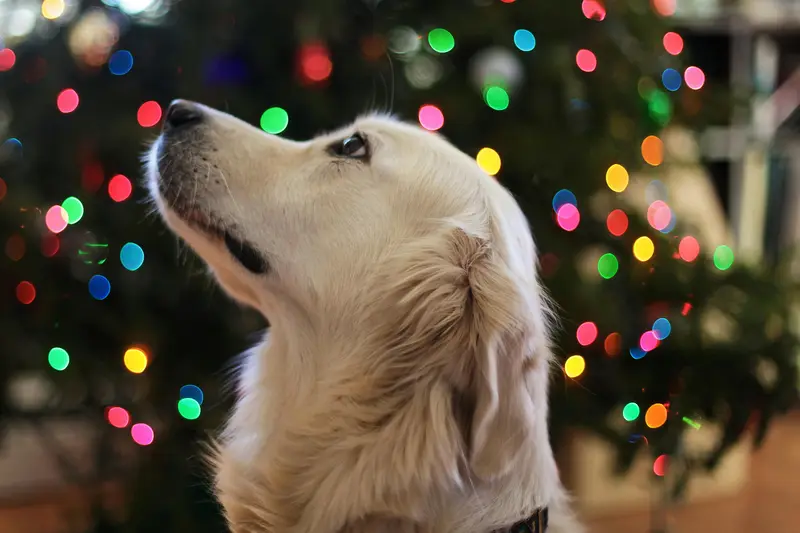
A sparkling Christmas tree is often the centerpiece of holiday decor. While beautiful, both natural and artificial Christmas trees can cause trouble. Needles may puncture or irritate the gastrointestinal tract if eaten, and water in tree stands often contains preservatives or fertilizers that can upset the stomach. Snow globes, surprisingly, may contain antifreeze made with ethylene glycol, a substance that is extremely toxic to cats and dogs even in small amounts.
Holiday lights and electrical cords pose another risk. Chewing on cords can cause burns or electrocution, while broken bulbs can injure paws or mouths. Wrapping paper, ribbons, and bows are also tempting to play with, but ingestion can lead to blockages and gastrointestinal upset that requires urgent veterinary care.
Dangerous Holiday Plants
Holiday plants add color to winter celebrations but can be harmful if ingested. Mistletoe and holly may cause vomiting, diarrhea, and in severe cases cardiovascular problems. Poinsettias are less toxic than often believed but still cause irritation. Lilies are especially dangerous to cats and can lead to kidney failure with even small exposures. Azaleas are another common holiday plant to watch out for, as they can cause internal damage to the gastrointestinal tract when consumed.
Toxic Foods and Treats
It is tempting to share holiday treats with pets, but many foods are dangerous. Chocolate (especially baking chocolate), coffee, grapes, raisins, onions, garlic, avocado, macadamia nuts, and alcoholic beverages are all toxic to pets. Yeast dough may expand in the stomach and release alcohol, causing bloating and intoxication. Even salty items like salt-dough ornaments can trigger electrolyte imbalances and seizures. Be cautious with sugar-free or “lite” foods as well, as many contain xylitol, an artificial sweetener that can be incredibly harmful to pets.
Table scraps in general should be avoided. Rich foods, fatty meats like turkey skin, gravy, and bacon can lead to pancreatitis or serious gastrointestinal upset. Cooked bones from turkey or chicken should never be given to pets, as they can splinter and cause internal injuries. When in doubt, stick to pet-safe snacks.
If you want to include your pet in the feast, there are several safe options. Dogs and cats can enjoy plain cooked pumpkin, sweet potatoes, apples (without seeds or cores), melon, berries, bananas, green beans, carrots, and peas. Small amounts of cooked egg, plain yogurt, or salmon are also acceptable. Just make sure these foods are unseasoned and served in moderation.
Parties, Visitors, and Stress
Holiday gatherings can be overwhelming for pets. New visitors, loud music, and unfamiliar noises can all induce stress and anxiety. Consider setting up a quiet, comfortable room where your pet can retreat during parties. If the celebration will be especially large or noisy, hiring a pet sitter or boarding your pet for the evening may be the safest choice.
With doors opening and closing frequently during parties, there is also an increased risk of pets slipping out unnoticed. Make sure your pet is microchipped and wearing proper identification tags, so they can be returned quickly if they escape.
Holiday Travel Safety
Traveling with pets during the holidays requires extra planning. Pets in cars should always be safely restrained and kept away from airbags. Never leave a pet unattended in a vehicle, as temperatures can become dangerous quickly in both cold and warm weather. If traveling by air, consult your veterinarian beforehand, especially for short-snouted breeds that may be more vulnerable to respiratory issues during flights.
Outdoor and Seasonal Hazards
Pets that spend time outdoors may encounter other dangers during winter months. Ice melts often contain chemicals that irritate paws and can cause illness if licked off fur. Antifreeze products containing ethylene glycol are especially hazardous because they taste sweet but can lead to fatal kidney failure if not treated immediately. If exposure is suspected, the ASPCA Animal Poison Control Center and local veterinary care should be contacted right away.
Keeping Pets Safe
The best way to prevent accidents is through awareness and planning. Keep holiday plants and decorations out of reach, secure Christmas trees to avoid tipping, and use protective covers for electrical cords. Store holiday lights safely when not in use, and dispose of wrapping paper, ribbons, and bows promptly. Educate family members and guests about what pets should not eat, and remind children not to share table scraps.
Final Thoughts
The holiday season can be safe and joyful for pets when households stay alert to the hidden dangers of festive traditions. By understanding common holiday hazards and acting proactively, families can ensure that their animals enjoy the celebrations without trips to the emergency vet. The most important gift you can give your pet is a safe, comfortable environment throughout the holidays and beyond.