
Keeping your pet clean and comfortable does not require a luxury salon or a large budget. With a simple plan and the right expectations, most owners can handle the essentials at home while still knowing when to rely on professional groomers for extra help. This guide covers how often to brush, bathe, and trim nails for dogs and cats, with practical advice you can build into a realistic routine.
Why grooming matters
Regular grooming supports overall pet care by keeping skin healthy, reducing shedding, and helping you notice early signs of problems. A consistent grooming routine also strengthens trust between you and your furry friend, especially when started early and done gently. Grooming is not about perfection. It is about consistency, comfort, and prevention.
Brushing basics by coat type
How often you brush depends largely on coat type.
A short-haired dog usually benefits from brushing once or twice a week. This removes loose hair and distributes natural oils without overworking the skin. A rubber brush or simple bristle brush is often enough.
A long-haired dog typically needs brushing several times per week, and sometimes daily, to prevent tangles and mats. Long coats trap debris easily, so brushing also reduces dirt buildup between baths. Cats with long fur often need similar frequency.
No matter the coat length, brushing should be calm and unhurried. Make it part of a regular grooming session so your pet learns to expect it. Over time, brushing becomes less of a chore and more of a bonding activity.
Bathing without overdoing it
Bathing too often can dry out skin, so most dogs only need a bath every four to eight weeks unless they get especially dirty. Cats usually groom themselves well and rarely need full baths unless there is a specific issue.
Always use a gentle dog shampoo designed for pets. Human products can disrupt skin balance. During bath time, rinse thoroughly to avoid residue that may cause irritation later.
Bathing can also be combined with light brushing before and after to reduce shedding. Keep the environment calm so the grooming session does not become stressful.
Nail care made manageable
A regular nail trim is one of the most important and overlooked parts of grooming. Long nails can affect posture and cause discomfort when walking. Most pets need trimming every three to four weeks.
Use proper nail clippers sized for your pet. Trim small amounts at a time to avoid hitting the quick. If bleeding occurs, Styptic powder helps stop it quickly and safely.
If you are nervous, start slowly and reward calm behavior. Over time, nail care becomes easier. Some owners alternate between home trims and visits to a dog groomer for reassurance. Even professional groomers recommend frequent small trims rather than infrequent large ones.
Ears and infection prevention
Clean ears help reduce odors and lower the risk of ear infections. Check ears weekly for redness, strong smells, or excessive wax. Use a gentle ear cleaner applied to cotton balls rather than directly into the ear canal.
Never use cotton swabs inside the ear. Instead, wipe only what you can see. Regular cleaning helps prevent moisture buildup, which is a common cause of ear infections, especially in floppy-eared breeds.
Make ear care part of your grooming routine so problems are caught early.
Teeth and oral hygiene
Dental care is often overlooked, yet it plays a major role in long-term health. Teeth brushing a few times per week can reduce plaque and improve breath. Use pet-safe toothpaste and go slowly at first.
Even brief sessions help. Pair dental care with praise or treats so your pet associates it with something positive. This simple habit can prevent costly issues later.
Setting up a simple grooming routine
A practical grooming routine does not need to be complicated. Many owners find success by dividing tasks across the week rather than doing everything at once. For example, brushing one day, nail care another, and ear checks on a weekend.
Each grooming session should be short and positive. End on a good note, even if not everything gets done. Over time, your pet becomes more cooperative and relaxed.
Keep your grooming tools organized in one place so setup is quick. This makes it easier to stay consistent without feeling overwhelmed.
When to seek outside help
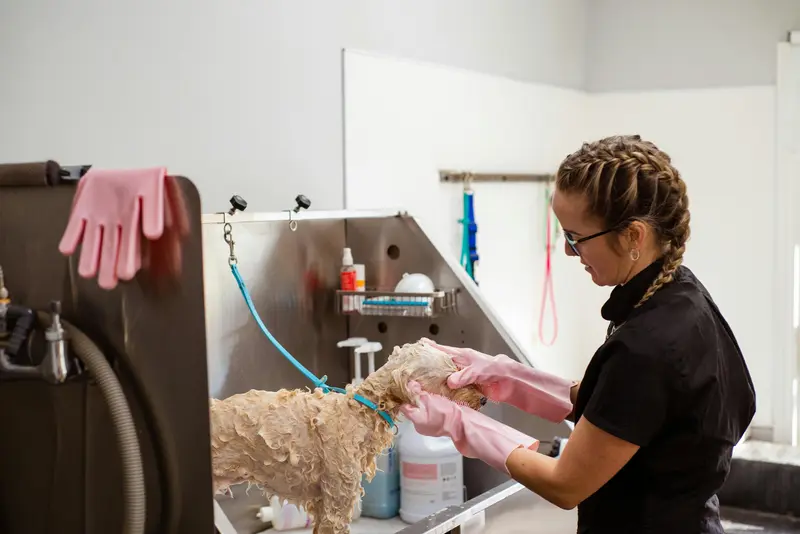
Even with good home habits, there are times when professional groomers or a trusted dog groomer are the best option. Severe matting, difficult nail trims, or behavioral challenges can require trained handling. Occasional professional visits can complement your at-home care rather than replace it.
Think of grooming as shared responsibility. You handle the basics, and experts help when things get complicated.
Final thoughts
Grooming at home does not require expensive equipment or constant appointments. With patience, simple supplies, and a steady schedule, you can keep your pet clean, healthy, and comfortable. A calm grooming session builds trust, supports long-term health, and strengthens the bond you share with your furry friend.