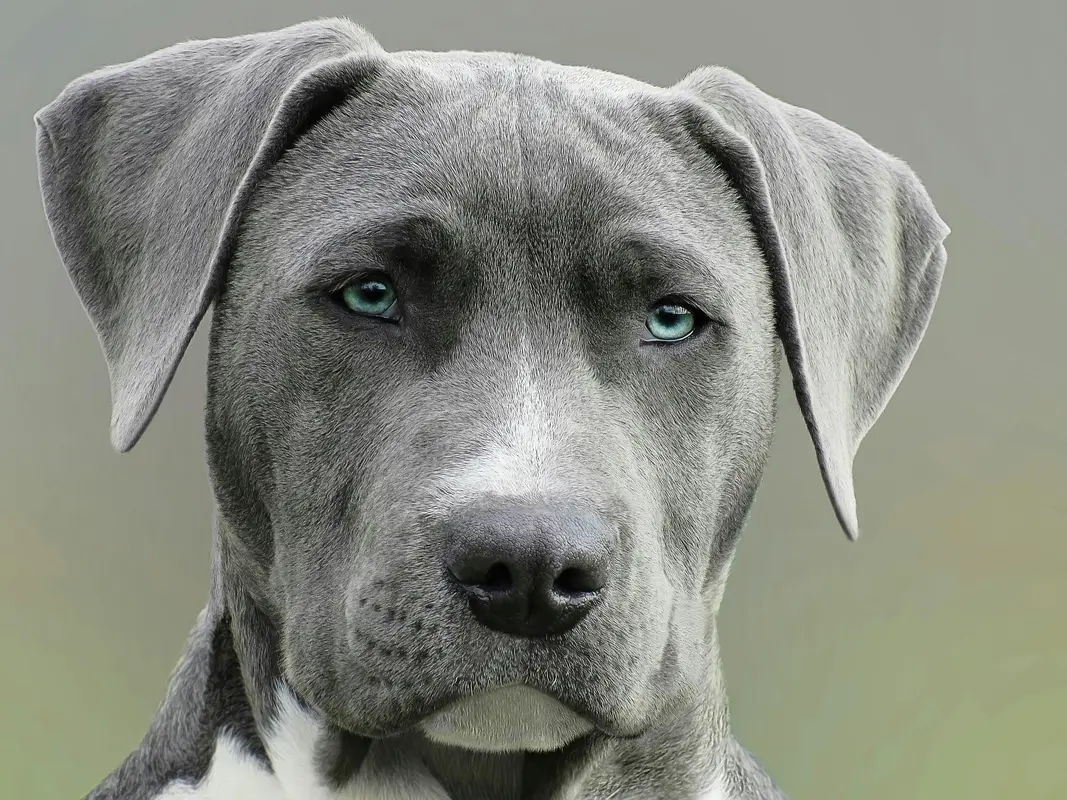

Maintaining a healthy weight for your pets is crucial for their overall well-being and longevity. Overfeeding and underfeeding can lead to severe health problems, ranging from obesity and diabetes to malnutrition and weakened immune systems. Proper portion control is a key component in ensuring they receive the right balance of nutrients without excess calories. This comprehensive feeding guide will provide practical tips on how to accurately measure and manage your pet’s food portions, tailored to specific animals such as dogs, cats, and small mammals. By following these guidelines, you can help your furry friend stay healthy and happy.
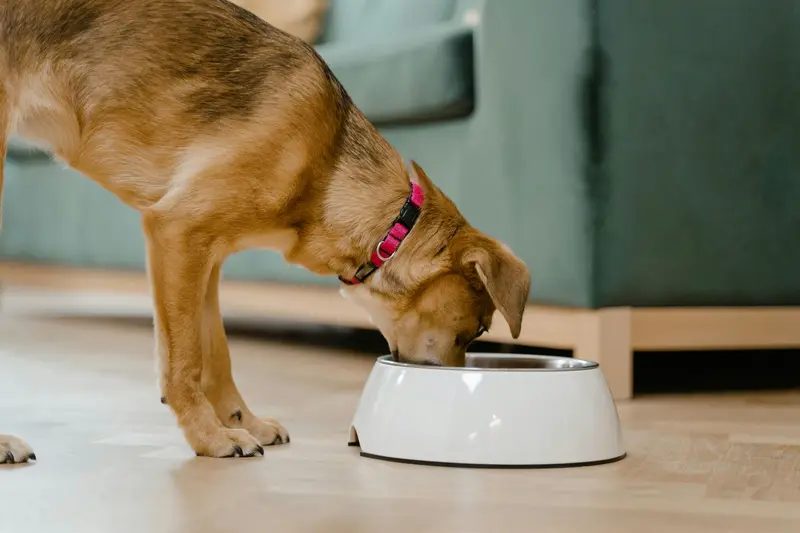
dogs
Maintaining a healthy weight for dogs is crucial for their overall well-being. Obesity in dogs can lead to various health issues, including joint problems, diabetes, and heart disease. This section will provide tips on how to do proper portion control to your dog’s meals to keep them healthy and fit.
Understanding Your Dog’s Nutritional Needs
Dogs have varying nutritional needs based on their breed, age, size, and activity level. Larger breeds may require more calories, while smaller breeds need less. Puppies and active dogs will have higher energy requirements compared to senior or less active dogs. It’s essential to understand these needs to portion meals correctly.
Measuring Food Portions
Using a measuring cup or a kitchen scale can help ensure accurate quantities of food. Here are some examples of portion sizes for different dog breeds:
- Small Breeds (e.g., Chihuahuas, Dachshunds): Typically need about ¼ to 1 cup of dry food per day.
- Medium Breeds (e.g., Beagles, Cocker Spaniels): Generally require 1 to 2 cups of dry food per day.
- Large Breeds (e.g., Labradors, German Shepherds): Often need 2 to 3 cups of dry food per day.
Always refer to the feeding guidelines on your dog food packaging and adjust portions based on your dog’s weight and activity level.
treats
Treats should make up no more than 10% of your dog’s daily caloric intake. Choose healthy treat options like small pieces of vegetables (e.g., carrots, green beans) or commercial dog treats that specify portion sizes. Avoid giving human food, as it can have a high calorie count and harmful to dogs.

cats
Being in the ideal weight range is particularly important for cats, as obesity can lead to severe health issues such as diabetes, liver disease, and arthritis. This section focuses on the portion control needed for cats to prevent these problems.
Understanding Your Cat’s Nutritional Needs
Cats have unique dietary needs, primarily requiring high protein content. Indoor cats typically need fewer calories than outdoor cats due to lower activity levels. Kittens and active cats need more energy, while senior or sedentary cats need less.
Measuring Food Portions
Accurate portion sizes are essential for cats. Use a measuring cup or kitchen scale to ensure proper portions. Here are some tips:
- Indoor Cats: Generally need about ¼ to ½ cup of dry food per day.
- Outdoor Cats: May require ½ to 1 cup of dry food per day, depending on activity levels.
Always check the feeding guidelines on your cat food packaging and adjust based on your cat’s weight and activity level.
treats
Treat portions, like dogs, should not exceed 10% of your cat’s daily caloric intake. Opt for cat-specific treats and follow the portion guidelines on the packaging. Avoid feeding human food or excessive treats to prevent weight gain.
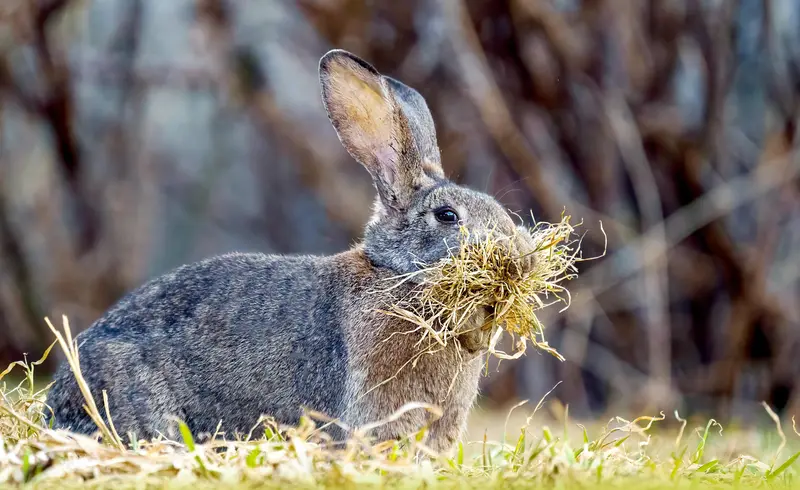
Small Mammals (rabbits, guinea pigs)
Proper portion control is vital for small mammals to prevent health issues such as obesity, gastrointestinal problems, and nutritional deficiencies. This section addresses the specific needs of small mammals.
Understanding Your Small Mammal’s Nutritional Needs
Small mammals like rabbits and guinea pigs have specific dietary requirements, particularly high fiber content. They need a balanced diet of hay, fresh vegetables, and a small number of pellets.
Measuring Food Portions
Correct meal sizes ensure your small mammal gets the right nutrients. Here are some guidelines:
- Rabbits: Should have unlimited hay, a cup of fresh vegetables per 4 pounds of body weight daily, and ¼ to ½ cup of pellets per 6 pounds of body weight daily.
- Guinea Pigs: Need unlimited hay, 1 cup of fresh vegetables daily, and ⅛ cup of pellets per day.
treats
Treats should be given sparingly to small mammals. Safe treat options include small pieces of fruits and vegetables. Avoid sugary or high-fat treats, and always ensure treats do not exceed 10% of their daily intake.
conclusion
Properly portioning your pet’s meals is a fundamental characteristic of a responsible pet owner. Understanding your pet’s unique nutritional needs, accurately measuring food portions, and monitoring their weight are critical steps in maintaining their health. Whether you have a dog, cat, or small mammal, the tips provided in this guide can help you ensure your pet receives the right amount of food, with no excess calories, to support their well-being. Remember, a healthy pet is a happy pet. By taking the time to properly portion their meals and adjust as needed, you can help your beloved companion enjoy a long, healthy, and fulfilling life. If you have any specific concerns or questions about your pet’s diet, always consult with your veterinarian for personalized advice.
further information
Your Ultimate Guide To Dog Nutrition (2022 Guide Update) (wellpet.org)
Feeding Your Cat: Know the Basics of Feline Nutrition – Common Sense. Healthy Cats. (catinfo.org)