
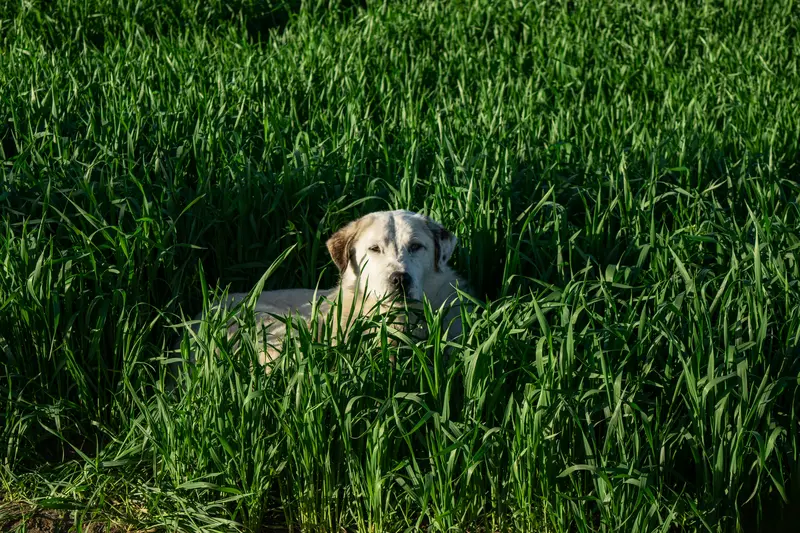
It’s a curious sight: your domesticated dogs grazing on fresh blades of grass in the yard. While it may look odd, grass eating is a common behaviour among dogs, and in most cases it’s harmless. Below we explore the common explanations behind this odd habit and when it might signal a problem.
Common Explanations
Dogs eat grass for a variety of reasons. There isn’t a single cause, and experts point to several overlapping factors. Some dogs simply enjoy the taste or texture, while others may be seeking relief from an upset stomach or boredom. Veterinarians and behaviorists generally agree that occasional grazing on grass is normal for most dogs.
Nutritional Deficiency
One leading theory is that grass eating reflects an underlying nutritional deficiency. Dogs require a balance of vitamins, minerals, and dietary fiber, and if their complete diet falls short, they may turn to grass to fill the gap. Studies show that some commercial diets lack sufficient roughage, prompting dogs to seek fiber elsewhere. In fact, the most common domesticated dog diets include only about 2–4% fiber when the required intake is upwards of 5%. If you suspect your dog is malnourished, speak with a professional about creating a plan to restore their natural health.
Digestive System Support
Grass contains insoluble material that can help move food through the digestive system. Roughage from grass may aid bowel movements and help relieve mild gastrointestinal discomfort. Experts note that grass eating can act as a form of self medication, particularly in dogs with occasional digestive upset.
Natural Instinct
Wild canids such as wolves and foxes consume some plant matter in the wild, suggesting that grazing is a natural instinct carried over into domesticated dogs. Genetic predisposition may drive some dogs to nibble vegetation as part of ancestral foraging behavior.
Psychological Reasons
Boredom, stress, and separation anxiety can all prompt grass eating as a displacement or soothing behavior. Dogs left alone for long periods may chew and graze on grass to relieve anxiety, much like a human might chew gum.
Pica: A Behavioral Condition
Your dog’s grass eating may also be a sign of Pica, a medical behavioral condition involving the persistent consumption of non-nutritive substances. Pica is considered one of the most common behavioral issues in dogs. While it may not seem harmful at first, it can lead to dental problems, poisoning, and gastrointestinal blockage over time. If your dog compulsively eats grass or other non-food items, consult your veterinarian to rule out Pica and develop an appropriate management plan.
Attention-Seeking Behavior
Not all grass eating signals a health issue. Dogs are intelligent creatures that learn quickly from their owners’ reactions. If a dog notices that eating grass draws attention, they may repeat the behavior to get a response. If this pattern persists, consider consulting a veterinarian or trainer about redirecting the habit.
When to Worry
Occasional grazing is typically nothing to fear, but there are red flags to watch for:
- Inflammatory bowel disease or severe reaction: Persistent vomiting, diarrhea, or signs of abdominal pain after eating grass could indicate underlying gastrointestinal problems such as inflammatory bowel disease.
- Intestinal blockage: Large clumps of grass can form obstructions, leading to an intestinal blockage that requires urgent veterinary care.
- Harmful chemicals: Grass treated with pesticides or toxic fertilizers can cause a bad reaction or allergy symptoms, ranging from vomiting to severe neurologic signs.
- House and garden plants: Some ornamental plants are toxic. Nibbling these instead of ordinary lawn grass can lead to poisoning.
If your dog shows signs of distress such as lethargy, loss of appetite, or repeated vomiting after grazing, consult your veterinary practice promptly. They can rule out canine parvovirus, intestinal blockage, and other serious conditions.
How to Help Your Dog
- Balanced diet: Ensure a complete diet rich in essential nutrients and dietary fiber. High quality formulations will supply adequate roughage without needing grass supplementation.
- Pet safe alternatives: Offer safe chew toys or pet safe grasses such as wheatgrass to satisfy the grazing instinct without hazards.
- Mental and physical exercise: Regular walks, play sessions, and puzzle toys can reduce boredom and separation anxiety, cutting down on grass eating driven by stress.
- Garden management: Keep lawn areas free of harmful chemicals and remove house and garden plants known to be toxic to dogs.
Grass eating in dogs is usually a harmless quirk, often rooted in natural instinct or simple dietary needs. By ensuring a balanced diet, providing enrichment, and monitoring for warning signs, pet parents and pet owners can keep their canine companions healthy and happy. If in doubt, your veterinarian or a specialist can offer personalized advice and rule out any serious conditions like inflammatory bowel disease or intestinal blockage.