Noticing your dog lingering at the water bowl more than usual can be concerning. Increased thirst can be completely normal in some situations, but it can also be an early sign of illness. Understanding what counts as normal water intake, what qualifies as excessive thirst, and when to seek veterinary guidance can help you protect your dog’s health and act early when something is wrong.
What Is Normal Water Intake for Dogs?
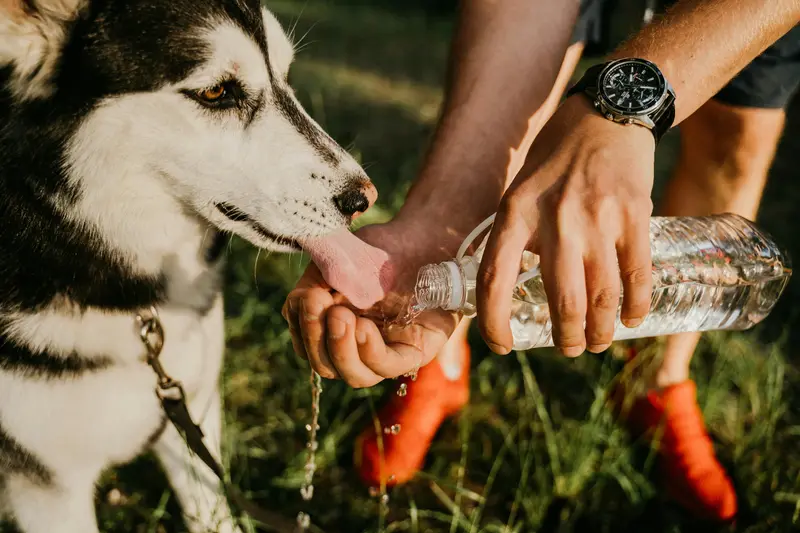
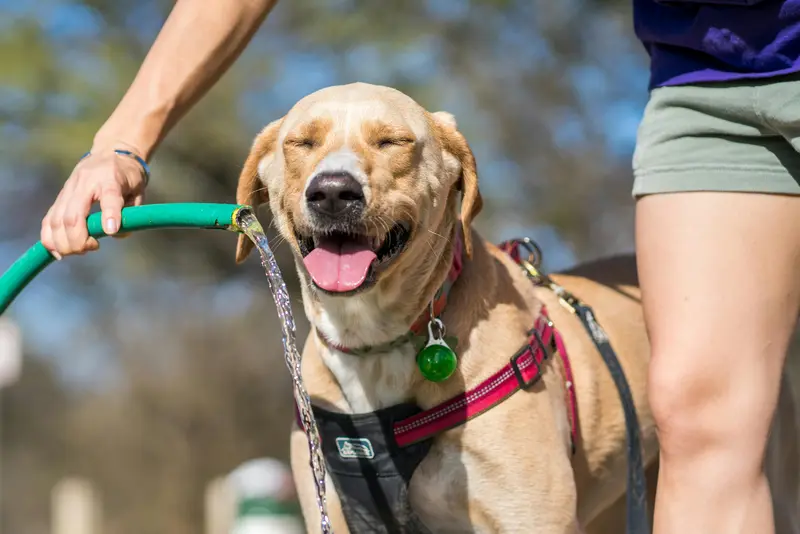
Normal water consumption varies depending on a dog’s size, age, diet, activity level, and environment. In general, healthy dogs drink more after exercise, during hot weather, or when eating dry food instead of wet food. A dog that eats salty treats or spends time playing outdoors may naturally seek more fresh water.
You may also notice temporary increases in water intake during growth phases or after a particularly active day. As long as your dog is otherwise behaving normally, these changes are usually harmless.
When Increased Dog Thirst Becomes Excessive
Excessive thirst refers to drinking far more water than usual over several days, often paired with more frequent urination. This pattern is different from short-term increases related to heat or exercise. If you find yourself refilling the water bowl multiple times a day or your dog seems unable to quench their thirst, it may signal an underlying issue.
Monitoring water consumption over a few days can help you determine whether the change is persistent. Many pet owners only notice a problem once accidents in the house or nighttime urination begin, which often means the issue has already progressed.
Common Medical Causes of Excessive Dog Thirst
Several medical conditions can lead to increased thirst. Some are mild and manageable, while others require prompt attention.
Kidney-related conditions
Kidney disease and kidney failure are common causes of excessive thirst, especially in older dogs. When the kidneys cannot concentrate urine effectively, the body compensates by increasing water intake. Early detection through blood tests and other diagnostic tests can slow progression and improve quality of life.
Hormonal disorders
Cushing’s disease is caused by excess cortisol production, often linked to dysfunction of the adrenal glands or the pituitary gland. Dogs with this condition often show excessive thirst, increased appetite, and frequent urination.
Diabetes mellitus is another endocrine disorder that leads to excessive thirst due to high blood sugar levels pulling water into the urine.
Diabetes insipidus, which is much rarer, affects how the body regulates water balance and also causes extreme thirst and dilute urine.
Infections and organ disease
Urinary tract infections can irritate the bladder and increase drinking and urination. Liver disease may also disrupt normal metabolism and fluid balance, contributing to increased thirst.
Electrolyte and systemic issues
Electrolyte imbalances or abnormal blood pressure can interfere with how the body regulates fluids. These problems are often uncovered through laboratory testing rather than visible symptoms alone.
Medications and Other Contributors
Some medications can cause increased thirst as a side effect. Anti-seizure medication and certain steroids commonly increase water consumption. Behavioral issues such as anxiety or compulsive drinking may also play a role, although these are diagnoses of exclusion once medical causes are ruled out.
Diet matters as well. Dogs fed mostly dry food tend to drink more water than those eating wet food, which already contains moisture. This difference alone does not indicate disease.
When to Contact an Online Vet
You should consider reaching out to an online vet if increased thirst lasts more than a few days or is paired with symptoms such as weight loss, lethargy, vomiting, appetite changes, or accidents in the house. A veterinarian may recommend blood tests, urine analysis, or other diagnostic tests to evaluate kidney function, hormone levels, and overall health.
Early consultation is especially important for senior dogs, since kidney disease, diabetes mellitus, and Cushing’s disease become more common with age.
What You Can Do at Home
As a pet owner, you can help by observing patterns and keeping notes. Track daily water consumption, appetite, and bathroom habits. Always provide clean, fresh water and avoid restricting access, even if your dog seems to be drinking excessively. Limiting water can worsen dehydration and electrolyte imbalances.
If your dog’s thirst seems sudden, persistent, or extreme, an online vet consultation can help determine whether the issue is likely benign or requires in-person testing.
Final Thoughts
Increased thirst is not always an emergency, but it should never be ignored. From simple dietary causes to conditions like kidney failure, diabetes insipidus, or liver disease, the range of possibilities is wide. Paying attention to changes in water intake and acting early can make a meaningful difference in outcomes. When in doubt, reaching out for professional guidance is a responsible and proactive step toward keeping your dog healthy.