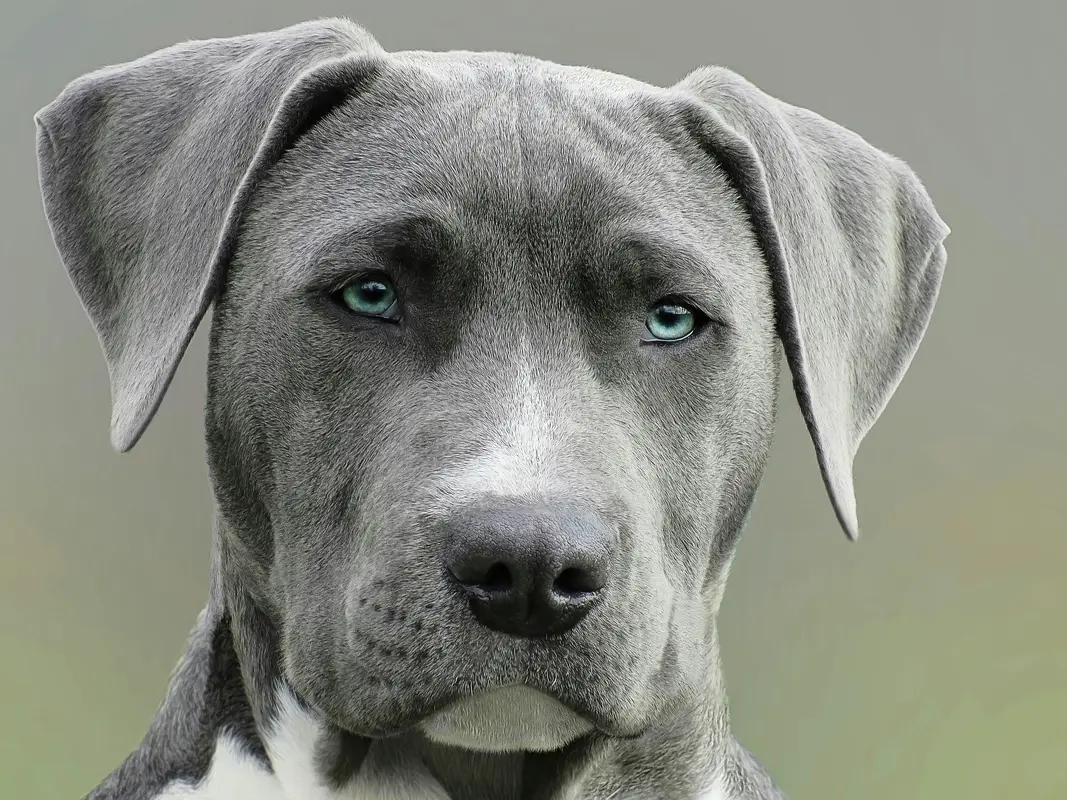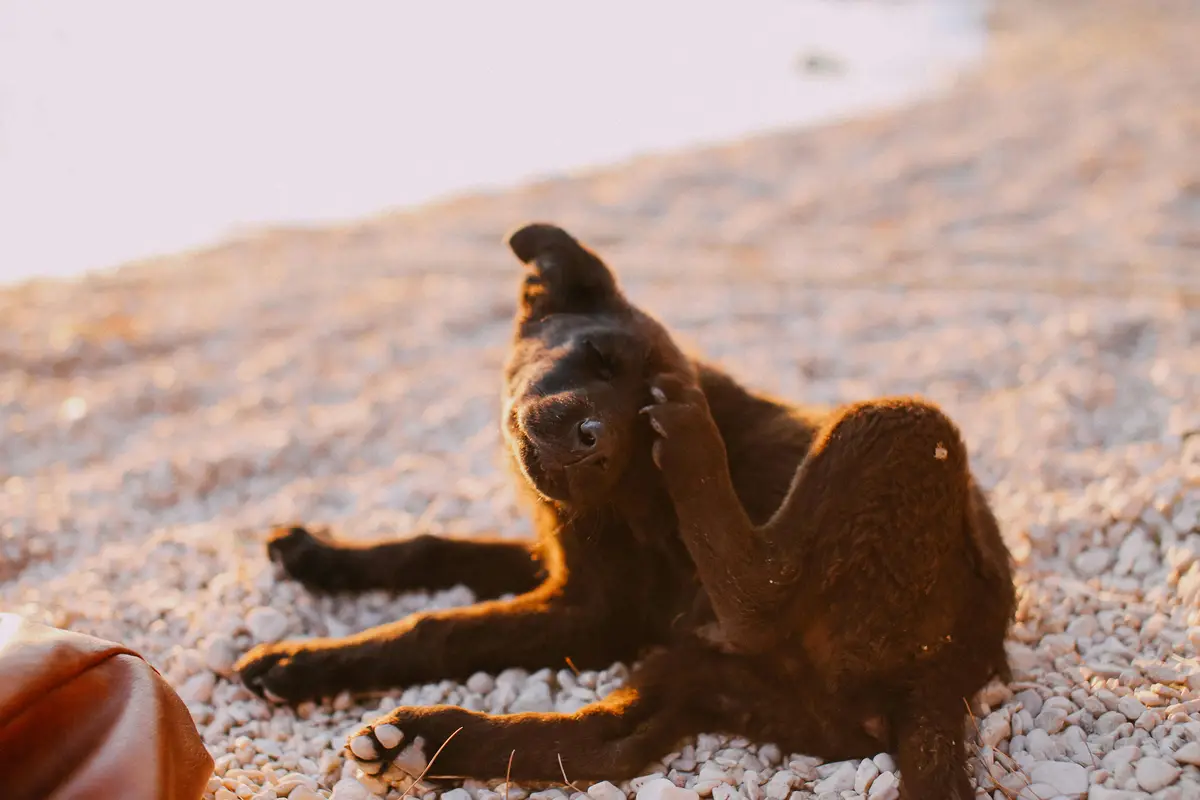
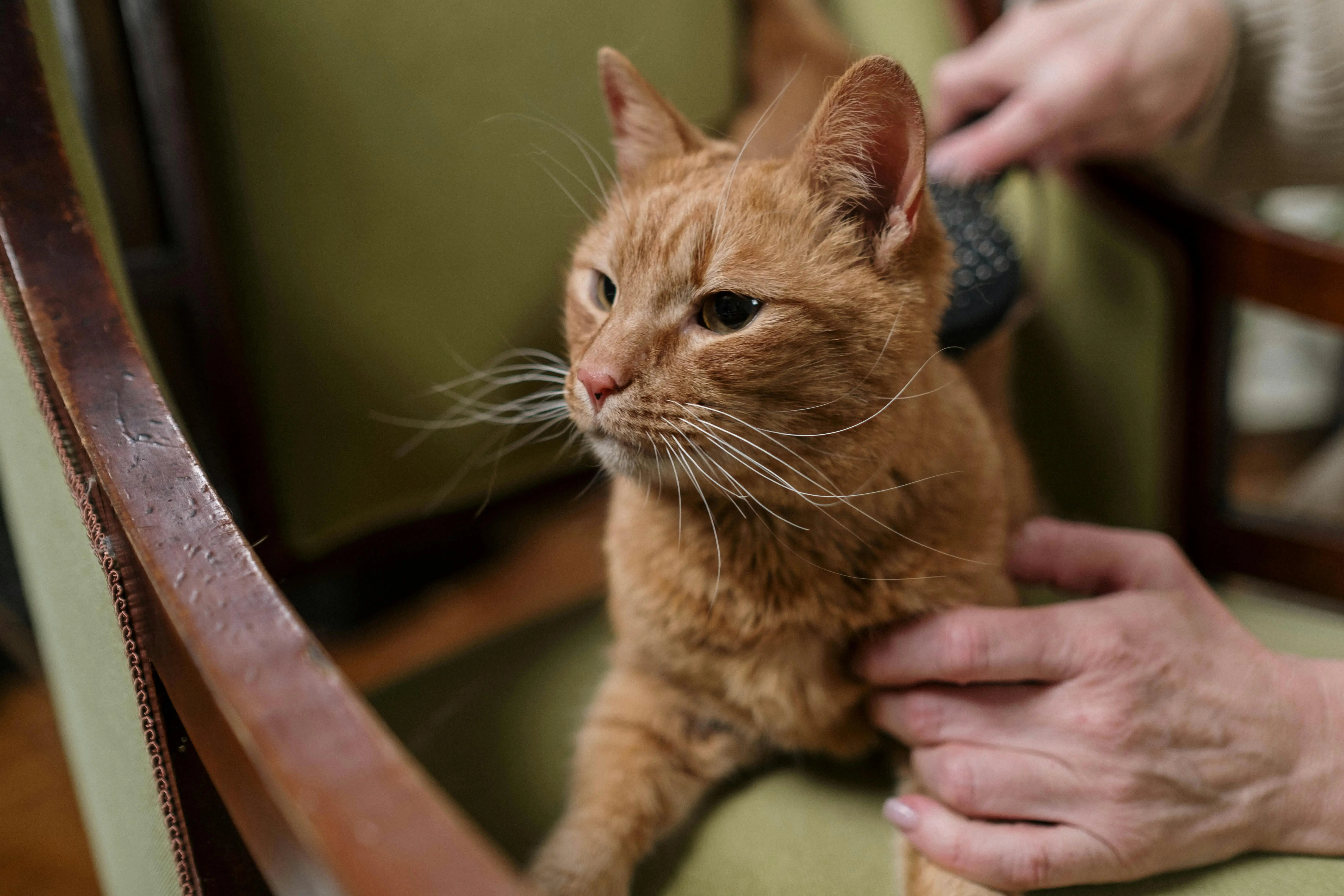
Have you ever met an orange cat that seemed like a total goofball? Or maybe you’ve heard someone say black dogs are more chill, while white pets tend to be nervous. For many pet owners, it feels like coat color might say something about a pet’s personality. After all, we often make quick judgments about animals based on how they look.
But is there any truth to these ideas? Can the color of your pet’s coat actually influence how they behave? Or are we just seeing what we want to see?
Common Beliefs About coat Color and Pet Behavior
It is surprisingly common to hear things like:
- Black cats are mysterious or aloof
- Orange cats are silly, loud, or even “unhinged”
- White dogs are gentle but anxious
- Golden or tan dogs are friendlier and more loyal
- Calico cats are sassy or moody
- Chocolate Labs are hyper, yellow Labs are calm
These are ideas that have been shared by pet lovers, passed around in pop culture, and even repeated by breeders or shelter workers. They can seem like hard truths, especially if you have had a pet whose behavior matches the stereotype.
But believing something does not make it true. While some patterns might exist in very specific breeds or situations, most of the time, coat color is just a physical trait. It is important to take a deeper look at the science behind these assumptions.
Where Do These Beliefs Come From?
Most of these ideas come from human perception and experience. People tend to assign meaning to appearance, often without realizing it. Just as we might say someone “looks friendly” or “seems intense” based on their clothes or posture, we often judge animals based on how they look.
There is also the influence of media. In movies, black cats are often linked with magic or bad luck. Golden retrievers are usually shown as loyal family dogs. A calico cat in a cartoon might be shown with a sharp attitude. These images stick with us and can shape how we interpret a pet’s behavior.
What ends up happening is called confirmation bias. If someone believes orange cats are wild, they might notice wild behavior more in orange cats and overlook calmer moments. This causes the belief to feel true, even if the pet’s behavior is not actually different from cats of other colors.
Now, let’s break down what science says about coat color and personality.
Cats: Do Coat Colors Predict Cat Personality?
One of the most referenced studies on this topic was published in the Journal of Applied Animal Welfare Science by researchers from the University of California, Davis. In this study, over 1,200 cat owners were surveyed about their cats’ personalities and behaviors, and those answers were analyzed based on the cat coat colors.
Many of these cat owners described tortoiseshell and calico cats as more independent or “feisty.” Gray and black cats were often seen as calmer. Orange cats were seen as more social.
However, this study relied on anecdotal evidence and owner perceptions, not direct observation of cat behavior. That means the results reflect what people think about their feline friends, which may not match how the cats actually act.
So, while the findings are interesting, they cannot be used to prove that fur color causes certain behaviors. They only show that people think coat color matters.

Dogs: Is Coat Color Linked to Temperament?
In the world of dogs, Labrador retrievers are often used in studies because they are one of the most popular and widely bred dogs.
A 2019 study published in Canine Genetics and Epidemiology looked at over 2,000 Labradors in Australia. The researchers wanted to see if black, yellow, or chocolate Labs had different behaviors. They found no reliable link between coat color and personality traits such as aggression, trainability, or excitement levels.
The conclusion was that training, socialization, and environment had much more influence on dog behavior than fur color.
Can Genes for Coat Color Affect Behavior?
Some researchers have suggested that in rare cases, a gene that influences coat color might be located close to another gene that influences behavior. Since genes are inherited in groups, this could, in theory, cause certain traits to appear together.
But even if this does happen in some breeds or animals, the effect is likely very small. There is no consistent scientific evidence that supports the idea that color genes control personality in pets.
What does matter more is a combination of genetics, environment, and life experience.
What Really Shapes a Pet’s Personality?
Most pet behavior is shaped by the following factors:
1. Early Socialization: Animals that are handled with care and introduced to a variety of people, sights, and sounds during their early weeks tend to grow into confident adults.
2. Environment and Routine: Pets who live in calm, structured homes are more likely to feel secure and relaxed. Those raised in chaotic or neglectful environments may develop anxious or reactive behavior.
3. Training and Human Interaction: Positive reinforcement training, patience, and clear communication help pets feel safe and build trust. This can influence everything from barking to friendliness with strangers.
4. Health and Wellness: Pain, illness, and nutrition can also impact how a pet behaves. Sometimes, a pet that seems aggressive or shy is actually just uncomfortable.
So, Should You Choose a Pet Based on Color?
In short, no. While color may be the first thing you notice about a pet, it should not be the main thing you consider when choosing a companion. Instead, focus on these qualities:
- How the pet responds to people and other animals
- Whether the pet seems curious, fearful, playful, or shy
- The energy level and how that matches your lifestyle
- Whether you can meet the pet’s physical and emotional needs
Spending time with a pet before bringing them home is the best way to understand their personality. Ask shelter staff or breeders about their behavior, not just their looks.

conclusion
There is no solid scientific proof that there is a correlation between personality traits and coat color. While some patterns may seem to exist, especially in cats, most of them are based on human perceptions and social beliefs rather than biology.
The real influences on a pet’s personality are early life experiences, socialization, environment, health, and training. Coat color is just a feature on the outside. What matters most is the connection you form with your pet and how you treat them.
So, whether your pet is black, white, orange, gray, brown, or a mix of everything, their distinct personality is shaped more by love and life than by looks.
sources and further information
https://escholarship.org/content/qt4hf2b2st/qt4hf2b2st.pdf
https://cgejournal.biomedcentral.com/counter/pdf/10.1186/s40575-019-0078-z.pdf