
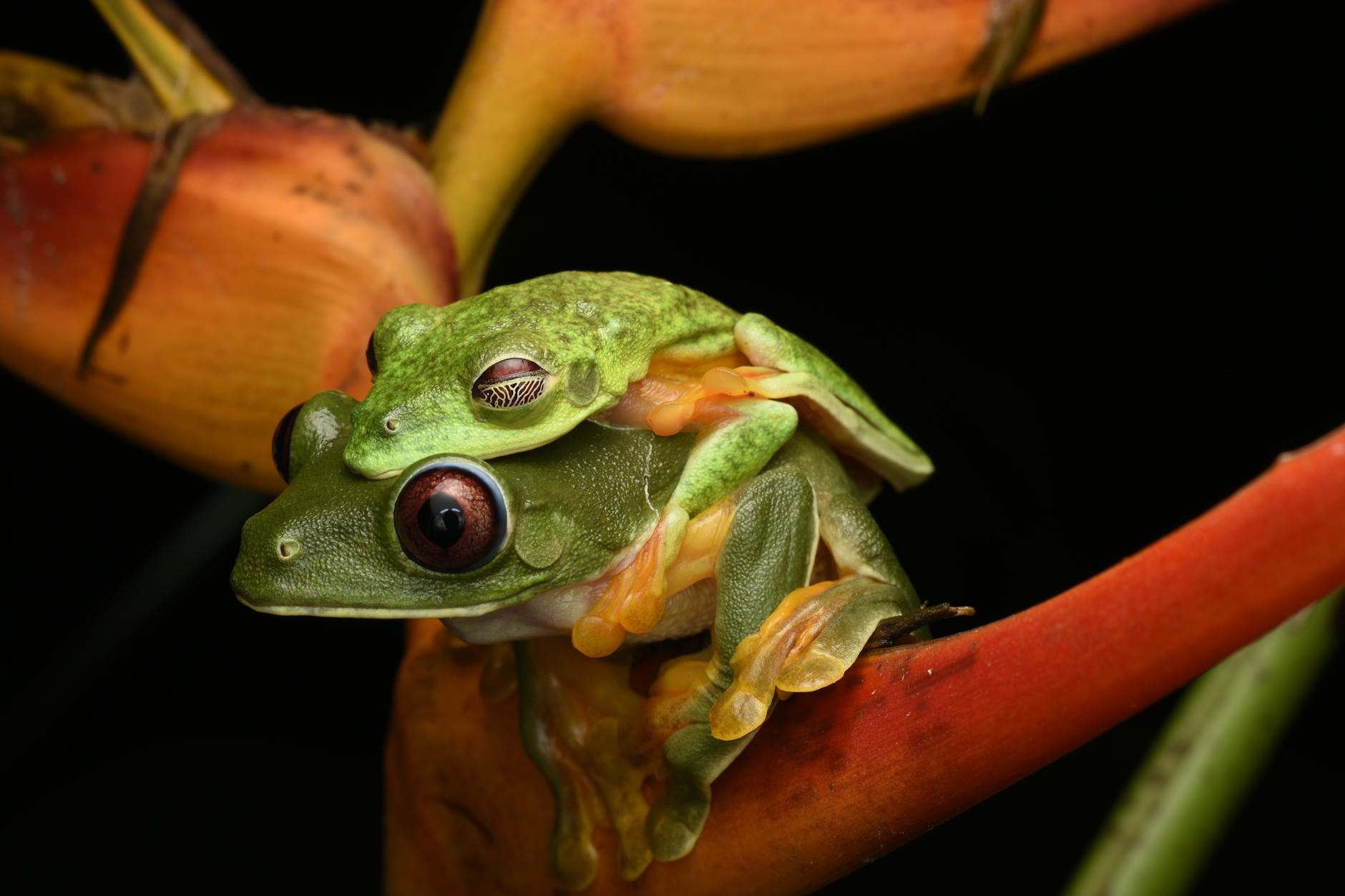
Exotic pets are becoming increasingly popular among pet parents seeking something more unique than traditional animals. While exotic pets may seem difficult to manage, many are surprisingly low-maintenance and easy to care for, especially for first-time pet owners. With proper knowledge of housing needs, legal requirements, and daily routines, these animals can thrive even in apartment living environments.
This guide highlights 10 exotic pets that are both unusual and simple to care for, meaning perfect for pet parents looking for manageable companions that don’t come with excessive vet bills.
1. Leopard Geckos: The Easygoing Scaly Friend
Leopard geckos are ideal exotic pets for beginners. These reptiles are calm, easy to handle, and don’t require a lot of space.
Care Overview:
- Minimal housing needs: a 10–20 gallon tank is sufficient.
- Diet: mealworms, crickets, and calcium supplementation.
- No need for UVB lighting, unlike many reptiles.
These quiet pets are suitable for apartment living and are adored by pet parents who want a scaly friend without complex care demands.
2. Betta Fish: A Colorful Aquatic Companion
Betta fish are stunning, low-maintenance aquatic pets. With the right setup and following a proper betta fish care sheet, they are perfect for small living spaces.
Care Overview:
- Tank: minimum 5 gallons with a heater.
- Water: clean, warm, and filtered.
- Solo living: bettas are aggressive toward other fish.
Their beauty and ease of care make them a favorite among pet parents with limited space.
3. Hermit Crabs: Social, Compact, and Entertaining
Hermit crabs are fascinating crustaceans that adapt well to captivity.
Care Overview:
- Housing needs: 10-gallon tank with coconut fiber substrate.
- Diet: commercial crab food, fruits, and vegetables.
- Social pets: best kept in small groups.
They are ideal for exotic pet lovers who want something interactive but not overly demanding.
4. Axolotls: The Perpetual Larvae
Axolotls are aquatic amphibians that stay in their larval form forever, making them look perpetually youthful.
Care Overview:
- Tank: at least 20 gallons with cool, still water.
- Diet: bloodworms, pellets, and small insects.
- Lighting: no special UVB required.
These aquatic pets are great for pet parents interested in unique creatures with wild ancestors and straightforward care routines.
5. Madagascar Hissing Cockroaches: Clean and Low-Cost
Despite their fearsome name, these insects are one of the easiest pets to care for.
Care Overview:
- Housing: small ventilated container with bark.
- Diet: fresh fruits, vegetables, and dry kibble.
- Hygiene: odorless and very clean.
These bugs are perfect for pet parents looking for educational or unconventional companions.
6. Tarantulas: Low-Key and Fascinating
Tarantulas may not appeal to everyone, but they are extremely low-maintenance exotic pets.
Care Overview:
- Housing needs: small terrarium with hiding spots.
- Diet: live insects once or twice a week.
- Handling: minimal, best observed.
With low vet bills and simple care, they’re a good choice for exotic pet lovers who enjoy observing rather than cuddling.
7. African Dwarf Frogs: Tiny Aquatic Entertainers
African dwarf frogs are fully aquatic and thrive in small tanks, making them excellent for apartment living.
Care Overview:
- Tank: at least 10 gallons for multiple frogs.
- Diet: frog pellets, brine shrimp, and bloodworms.
- Social: prefer to live in groups.
They’re a fun and interactive choice for pet parents seeking aquatic pets beyond fish.
8. Sugar Gliders: Pocket-Sized Companions
Sugar gliders are small marsupials that form strong bonds with their owners.
Care Overview:
- Cage: tall and spacious with climbing toys.
- Diet: specialized pellets, fruits, and protein.
- Social: should be kept in pairs.
These nocturnal animals need attention but offer high emotional rewards for the dedicated pet parent.
9. Aquatic Turtles: Long-Lived and Hardy
Aquatic turtles, such as red-eared sliders, require a well-maintained tank but are relatively low-maintenance.
Care Overview:
- Housing needs: large tank with basking area.
- Lighting: UVB light to prevent spinal issues.
- Diet: leafy greens, pellets, and live protein.
Proper care reduces vet bills and helps prevent long-term health issues. Be sure to check local pet laws, as some species may be regulated.
10. Hedgehogs: Quiet and Independent
Hedgehogs are small mammals that make great pets for quiet households.
Care Overview:
- Cage: minimum 2×2 feet with an exercise wheel.
- Diet: high-protein cat food and insects.
- Behavior: shy at first but bond over time.
Their compact size and quiet nature make them ideal for apartment living and pet parents with a calm lifestyle.
Know the Pet Laws Before You Adopt
Many exotic pets are subject to pet laws that vary by state and city. Before bringing home a new companion, check if the species is legal where you live. Some pets may require permits or be restricted due to their wild ancestors.
Prepare for Long-Term Commitment and Vet Bills
Even low-maintenance pets require consistent care. Budget for vet bills, supplies, and dietary needs. Some pets, like sugar gliders or aquatic turtles, may need surgical solutions or recovery plans later in life if their care isn’t properly managed.
Knowing the genetic traits and grooming requirements of your chosen pet can help prevent future problems and build a stronger relationship between you and your animal companion.
Final Thoughts
Choosing the right exotic pet doesn’t have to be difficult. Whether you’re drawn to a betta fish, a leopard gecko, or a scaly friend like a turtle, each of these animals brings its own charm and manageable care routine.
For pet parents living in compact spaces or managing a busy lifestyle, exotic pets with minimal housing needs and low vet bills can provide companionship without the chaos. With a bit of research into proper grooming practices, feeding schedules, and legal compliance, you’ll be on your way to becoming a responsible exotic pet owner. Not only this, but owning a pet has proven to show some health benefits, especially in the long run! Click here to learn more about this!
If you’re ready to embrace the world of unusual yet easy-to-care-for pets, one of these top 10 picks might just be your perfect match.